

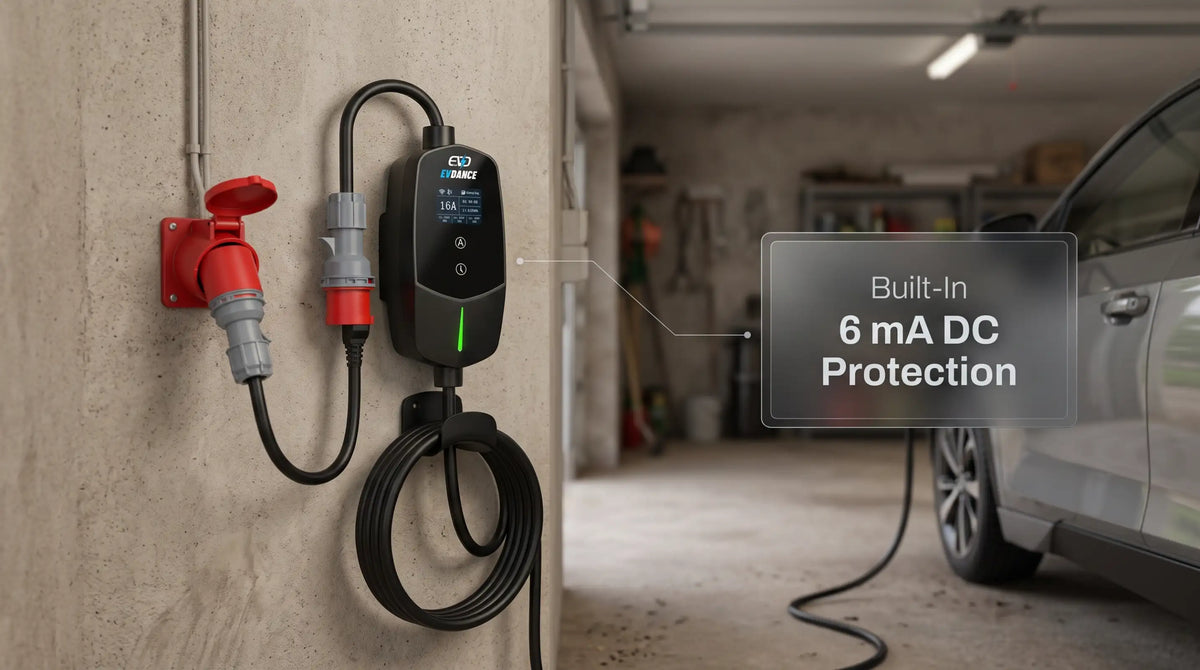
6 mA DC protection is designed to detect smooth direct-current residual current during AC charging. If the detected level reaches the specified threshold, the charging equipment can interrupt the session before that current affects the operation of the electrical protection system.
The 6 mA figure is a protection threshold, not the current used to charge the vehicle. Drivers do not need to select or adjust it during normal use.
What Is DC Residual Current?
Electricity should follow its intended path through the charging circuit. Under a fault condition, a small amount may flow somewhere it should not. This is called residual current, which is also commonly described as electrical leakage.
Electric vehicles contain electronic components that convert and control power. If a fault occurs in these components, the resulting residual current may contain a smooth DC component.
6 mA DC protection monitors this specific type of current. When the threshold is reached, the charger is designed to stop the charging process or disconnect the power.
Why Is 6 mA DC Detection Needed?
The electrical circuit supplying an EV charger normally includes a residual current device, commonly shortened to RCD. Its purpose is to disconnect the circuit when certain types of electrical leakage are detected.
A commonly used Type A RCD is designed to respond to AC and pulsating DC residual currents. However, a smooth DC residual current above the expected level can reduce its ability to respond correctly.
Detecting smooth DC residual current at 6 mA allows the charging equipment to react before it interferes with the upstream Type A RCD. This is why 6 mA DC detection is specifically mentioned in many EV charger specifications.
Different Protection Functions Cover Different Problems
An EV charger may include several safety functions, but they do not all monitor the same condition.
| Protection function | What it monitors |
|---|---|
| 6 mA DC protection | Smooth direct-current residual current |
| AC leakage protection | Alternating-current residual current |
| Overcurrent protection | Current above the permitted level |
| Overvoltage protection | Voltage above the permitted range |
| Overtemperature protection | Excessive heat in a monitored component |
| Short-circuit protection | A sudden high current caused by an electrical fault |
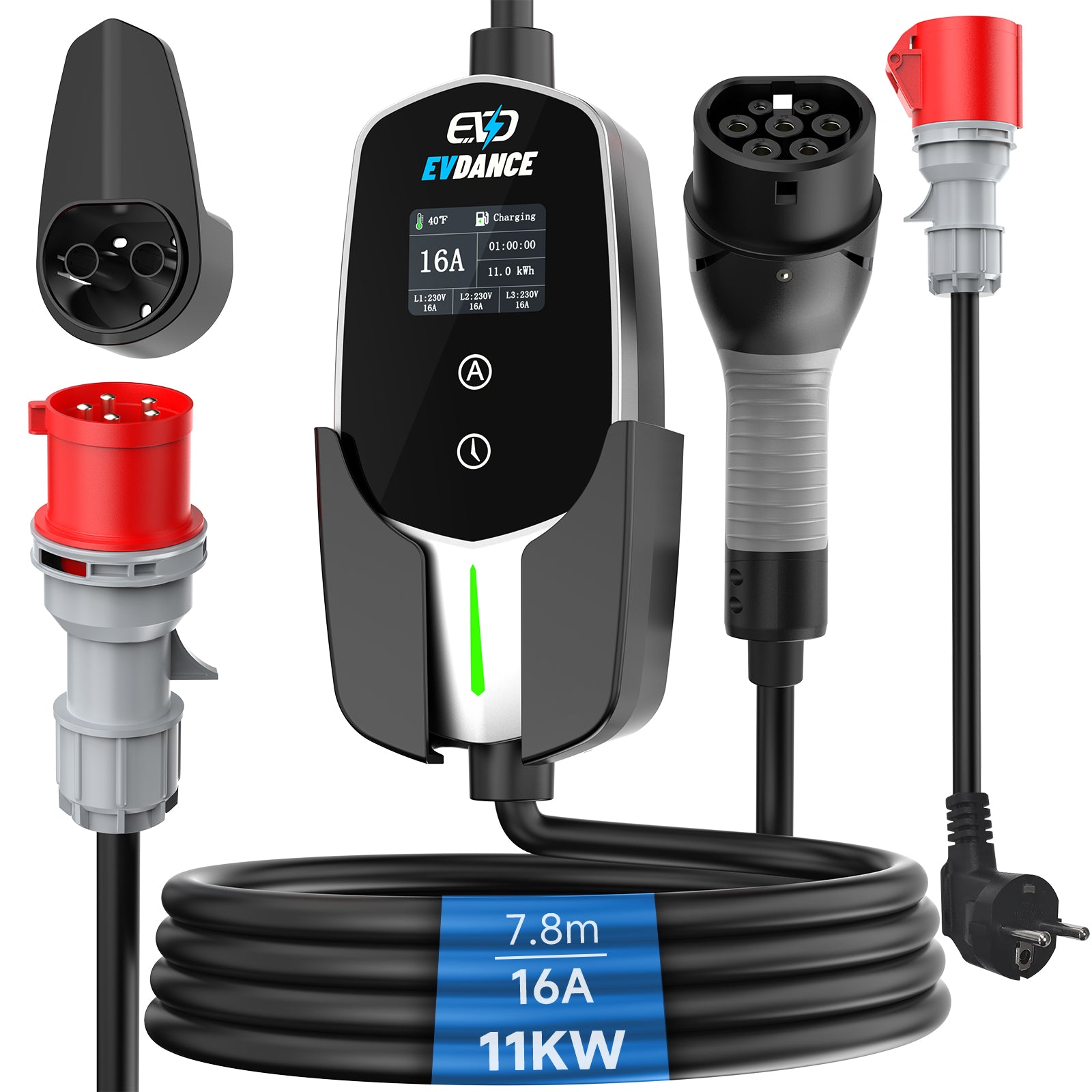
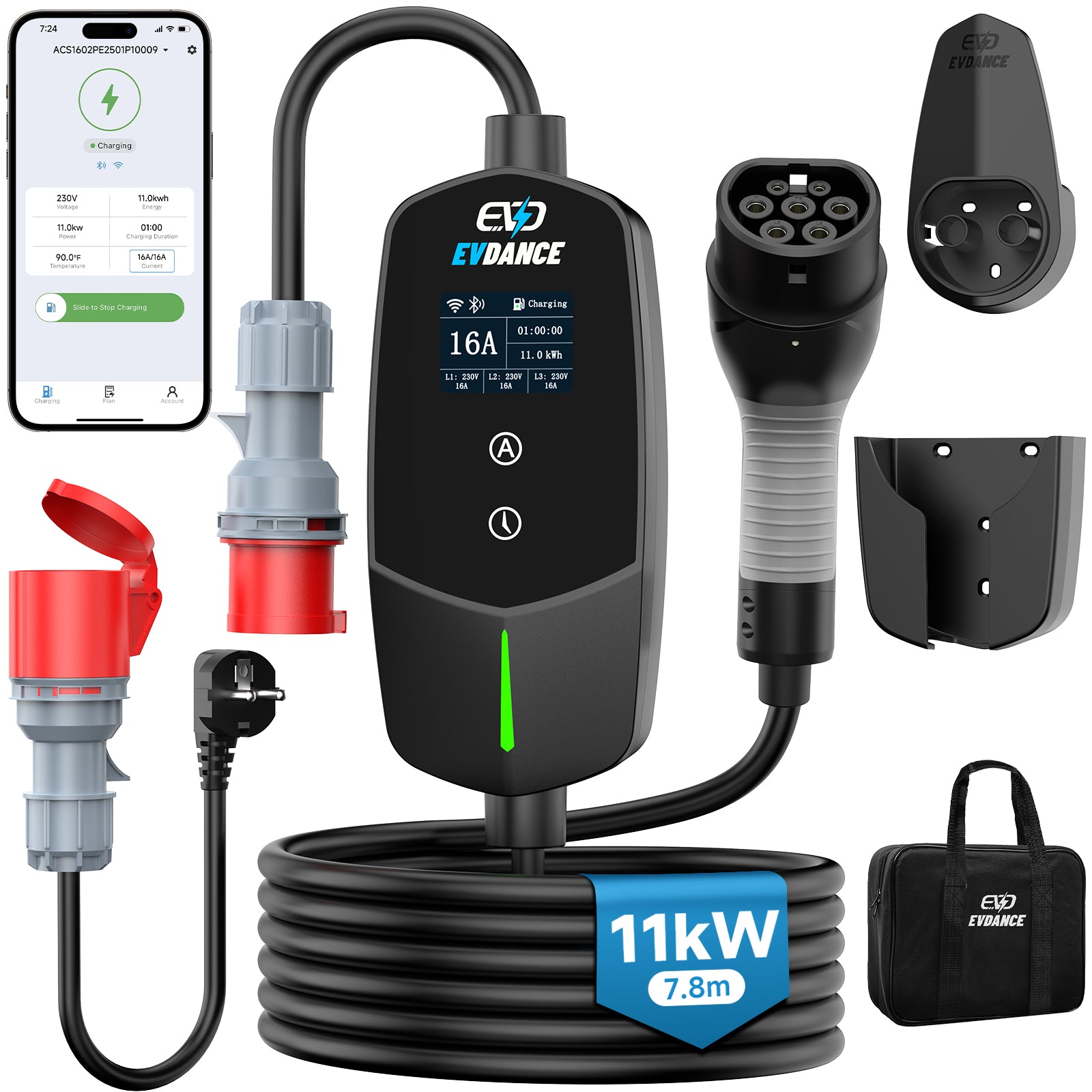
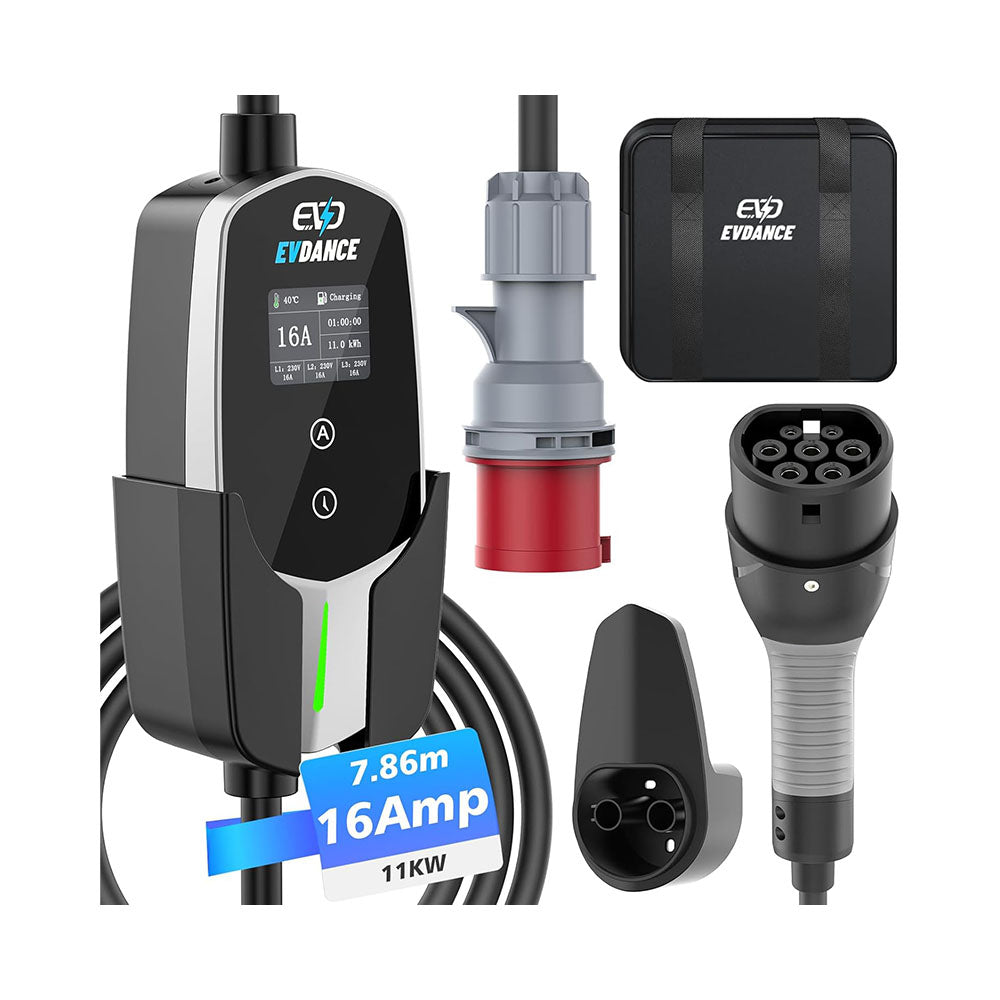
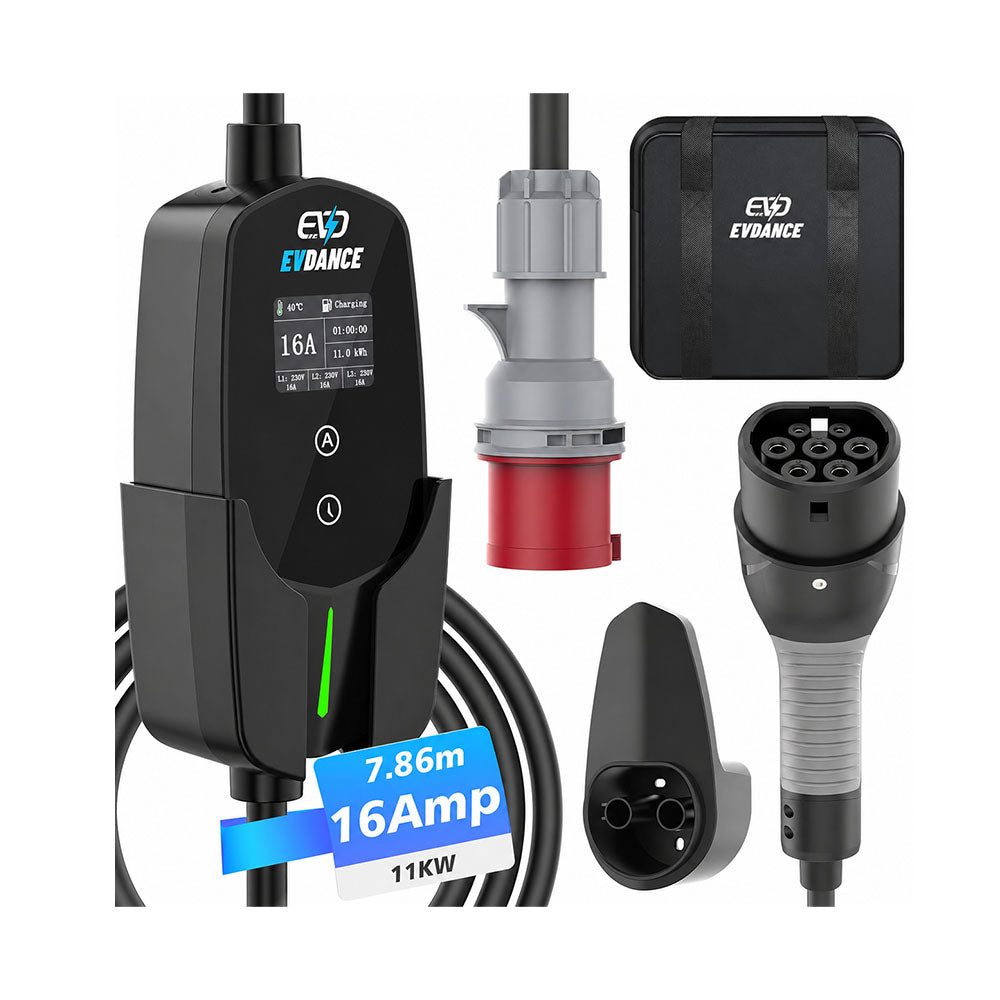
When an 11 kW mobile wallbox with App includes AC leakage monitoring, 6 mA DC protection, overcurrent protection, overvoltage protection and overheating protection, each function responds to a different type of abnormal condition during charging.
The 6 mA DC function does not replace the other protections. Its specific purpose is to identify the smooth DC residual current that may occur during an electrical fault.
Built-In Protection and Circuit Protection Work Together
Built-in 6 mA DC detection allows the charger to monitor the charging process directly. If the relevant threshold is reached, the charger can interrupt the session without relying on the upstream RCD to identify that DC component by itself.
The electrical circuit still provides its own protection for the socket, wiring and power supply. These two levels of protection perform different roles within the complete charging setup.
The required circuit protection depends on the charger, the existing electrical installation and local requirements. When installing a new CEE socket or fixed charging point, the connection should be assessed by a qualified electrician according to the product manual.
What Happens When the Protection Is Triggered?
If DC residual current is detected, the charger may stop the session and display an error code or warning indicator. The exact response depends on the charger model.
Check the charger display or App and follow the instructions provided in the product manual. A warning that disappears after the recommended reset may have been caused by a temporary condition.
If the same error returns, stop using the connection and have the equipment or electrical supply checked. Do not repeatedly restart charging or attempt to bypass the protection.
How to Read the Charger Specification
Product specifications may use wording such as:
- 6 mA DC protection
- DC residual-current detection
- DC leakage detection
- Type A + 6 mA DC protection
These descriptions indicate that the charger can monitor a DC component during AC charging. They should not be confused with the adjustable charging current shown as 6 A, 8 A, 10 A or 16 A.
Also check whether AC residual-current protection is listed separately and how the charger reports a protection event. A display or App can help the driver identify whether charging stopped because of a fault, a schedule or another operating condition.
Why This Specification Matters
6 mA DC protection addresses a specific electrical condition associated with EV charging. It helps prevent smooth DC residual current from affecting the intended operation of the upstream protection system.
It is one part of a wider safety design that may also include AC leakage, overcurrent, overvoltage and temperature protection. Checking these functions individually gives buyers more useful information than a general statement such as “multiple safety protections.”
Recommend Reading: Mobile Wallbox 11 kW: Charging via CEE 16 A






Share:
Programmes de recharge des véhicules électriques : pourquoi la recharge commence tard ou ne démarre pas du tout
What Does a Portable EV Charger Display Show?