

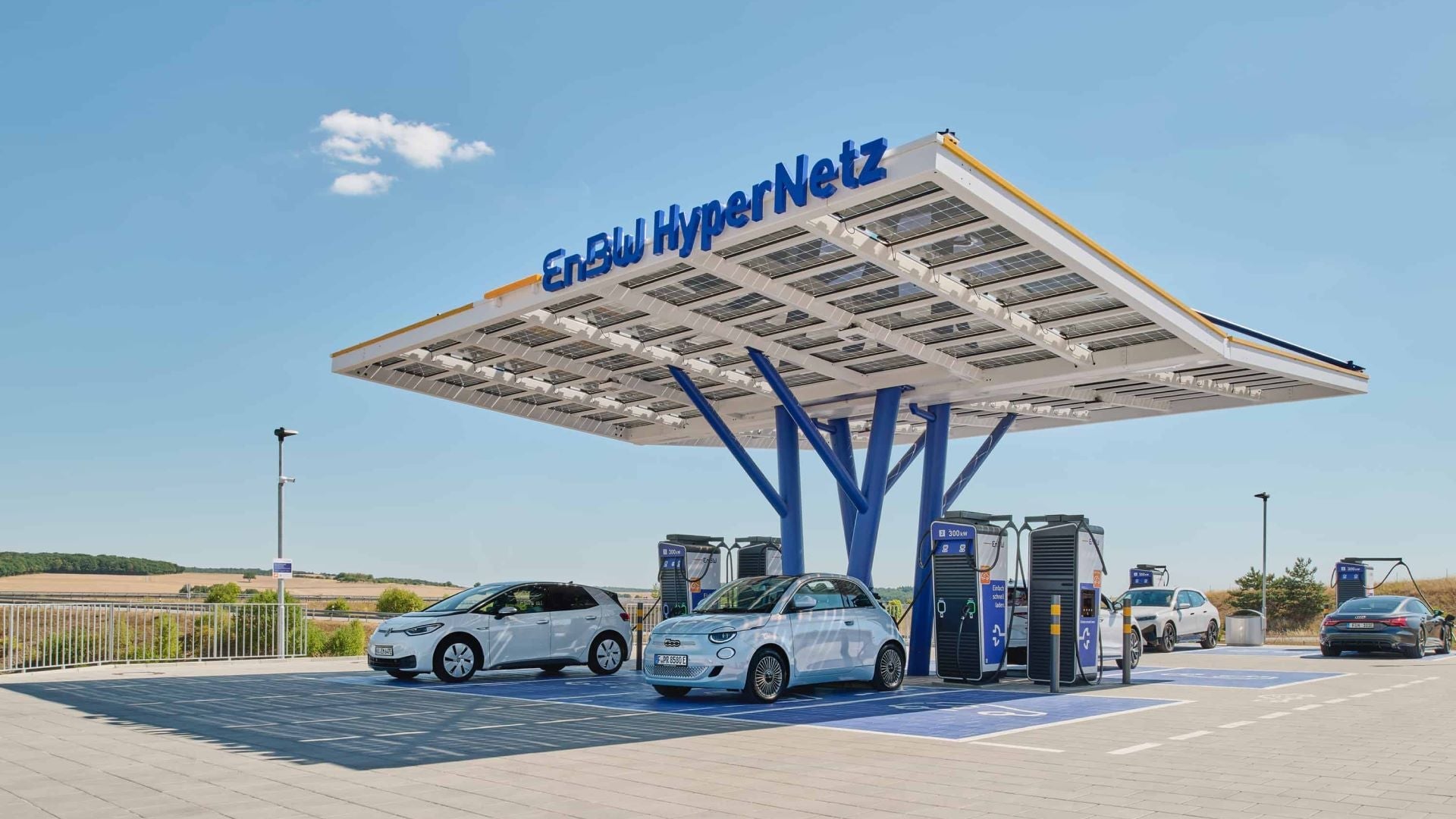
Ladezeiten verlieren an Bedeutung
Noch vor wenigen Jahren galt das Nachladen als einer der größten Nachteile von Elektroautos. Lange Stopps und eingeschränkte Planung machten insbesondere längere Fahrten weniger attraktiv. Inzwischen hat sich die Situation deutlich verändert. Fortschritte bei Batterien, steigende Systemspannungen und der Ausbau leistungsfähiger Ladepunkte haben das Laden spürbar beschleunigt.
Heute entwickelt sich die Ladegeschwindigkeit zu einem zentralen Faktor für die Alltagstauglichkeit von Elektrofahrzeugen. Die Möglichkeit, in kurzer Zeit große Energiemengen nachzuladen, verändert die Nutzung grundlegend und reduziert den Abstand zu konventionellen Antrieben.

Höhere Spannung als Schlüsseltechnologie
Die Leistungsfähigkeit eines Ladesystems hängt nicht nur von der Batteriegröße ab, sondern vor allem davon, wie schnell Energie aufgenommen werden kann. Lange Zeit dominierte die 400-Volt-Architektur, die sich als Standard etabliert hatte.
Mit steigenden Anforderungen stieß dieses System jedoch an physikalische Grenzen. Die Einführung von 800-Volt-Technologie markierte daher einen wichtigen Entwicklungsschritt. Durch die Verdopplung der Spannung lässt sich bei gleichem Strom deutlich mehr Leistung übertragen.
Während ein 400-Volt-System bei hohen Strömen etwa 200 kW erreicht, sind mit 800 Volt Leistungen von bis zu 400 kW möglich. In der Praxis bedeutet das deutlich kürzere Ladezeiten. Unter optimalen Bedingungen können viele aktuelle Fahrzeuge ihre Batterie in weniger als 20 Minuten von 10 auf 80 Prozent laden.
Vom Premiummerkmal zum breiten Einsatz
Anfangs war diese Technik vor allem in hochpreisigen Fahrzeugen zu finden. Marken wie Porsche oder Lucid setzten früh auf Hochvolt-Systeme, um maximale Ladeleistung zu erzielen.
Inzwischen hat sich die Technologie in breitere Fahrzeugklassen ausgedehnt. Hersteller wie Hyundai und Kia zeigten mit speziell entwickelten Plattformen, dass schnelles Laden auch in der Mittelklasse realisierbar ist. Auch europäische Marken wie BMW, Mercedes-Benz und Audi treiben die Einführung entsprechender Systeme in ihren kommenden Modellgenerationen voran.
Damit entwickelt sich die höhere Bordspannung zunehmend zum neuen Standard moderner Elektrofahrzeuge.
Neue Entwicklungen jenseits von 800 Volt
Die technische Entwicklung endet jedoch nicht bei 800 Volt. Der Hersteller BYD stellte 2025 eine Plattform mit 1000-Volt-System vor, die in Kombination mit sogenanntem 5C-Laden extrem kurze Ladezeiten ermöglichen soll.
Theoretisch lassen sich Batterien unter optimalen Bedingungen in etwa 12 Minuten vollständig aufladen, während bereits fünf Minuten an der Ladesäule ausreichend Energie für rund 300 Kilometer Reichweite liefern könnten. Erste Serienfahrzeuge mit dieser Technik werden ab 2026 in Europa erwartet.
Auch wenn solche Werte stark von äußeren Faktoren abhängen, zeigen sie die Richtung der Entwicklung: Ladepausen werden immer kürzer und nähern sich zunehmend klassischen Tankstopps an.
Fortschritte bei Infrastruktur und Ladeleistung
Parallel zur Fahrzeugtechnik wächst auch die Ladeinfrastruktur. Was früher als Schnellladen galt, ist heute oft nicht mehr ausreichend. Ladeleistungen von 50 kW spielen im Fernverkehr kaum noch eine Rolle.
Stattdessen setzen Betreiber verstärkt auf Hochleistungsladepunkte (HPC), die Leistungen von 350 kW oder mehr bereitstellen. Unter günstigen Bedingungen lassen sich damit innerhalb von etwa 20 Minuten Reichweiten von rund 300 Kilometern nachladen.
Ein weiterer Schritt zeichnet sich bereits ab: Neue Projekte sehen Ladeleistungen von bis zu 600 kW vor. Diese Systeme werden aktuell in Europa und Nordamerika aufgebaut und sollen in Verbindung mit zukünftigen Fahrzeugen nochmals kürzere Ladezeiten ermöglichen.
Auch Anbieter wie Ionity testen bereits Megawatt-Ladesysteme, die perspektivisch neue Maßstäbe setzen könnten. Damit verschiebt sich die technische Grenze kontinuierlich nach oben.
Ausbau der Ladeinfrastruktur
Neben der Leistungssteigerung spielt auch die Verfügbarkeit eine entscheidende Rolle. In Deutschland wird der Ausbau durch staatliche Programme vorangetrieben.
Bis Ende 2026 sollen entlang von Autobahnen etwa 1.000 neue Schnellladepunkte entstehen, insbesondere an bislang unversorgten Rastanlagen. Langfristig ist ein Netz von rund 4.000 HPC-Ladepunkten geplant.
Zusätzlich werden Regionen außerhalb der Hauptverkehrsachsen stärker berücksichtigt. Insgesamt sollen laut Verkehrsministerium etwa 9.000 zusätzliche Schnellladepunkte geschaffen werden, um eine flächendeckende Versorgung sicherzustellen.
Forschung und zukünftige Ladekonzepte
Neben seriennahen Entwicklungen arbeiten Hersteller auch an neuen Technologien für die Zukunft. Ein Beispiel ist ein experimentelles Fahrzeug von Mercedes-Benz, das als mobile Testplattform dient.
Im Fokus stehen verschiedene Ladeverfahren, darunter ultraschnelles Laden, bidirektionale Energieübertragung sowie induktive und solare Lösungen. Ziel ist es, neue Ansätze unter realistischen Bedingungen zu erproben und ihre Alltagstauglichkeit zu bewerten.
Das Fahrzeug nutzt sowohl etablierte Standards wie CCS als auch leistungsstärkere Systeme, die ursprünglich für Nutzfahrzeuge entwickelt wurden. Die dabei gewonnenen Erkenntnisse sollen in zukünftige Serienmodelle einfließen.

Fazit: Schnellladen als Schlüssel zur Langstrecke
Die Entwicklung zeigt klar, dass sich Elektroautos zunehmend für lange Strecken eignen. Verbesserte Batterietechnologien, höhere Spannungen und leistungsfähigere Ladepunkte verkürzen die Ladezeiten erheblich.
Während 400-Volt-Systeme weiterhin verbreitet sind, setzen sich 800-Volt- und künftig sogar 1000-Volt-Architekturen immer stärker durch. Parallel wächst die Infrastruktur, sodass schnelles Laden zunehmend verfügbar wird.
Damit rückt das Elektroauto näher an die Anforderungen des Alltags heran. Ladepausen werden kürzer, planbarer und effizienter – ein entscheidender Schritt für die weitere Verbreitung der Elektromobilität.
Weitere Lektüre: 400V oder 800V im Elektroauto: Welche Technik lohnt sich?



Teilen:
400V oder 800V im Elektroauto: Welche Technik lohnt sich?
Mercedes CLA Shooting Brake elektrisch: Reichweite, Preis und Details