

Is It Safe to Charge an Electric Car from a Schuko Socket Every Day?
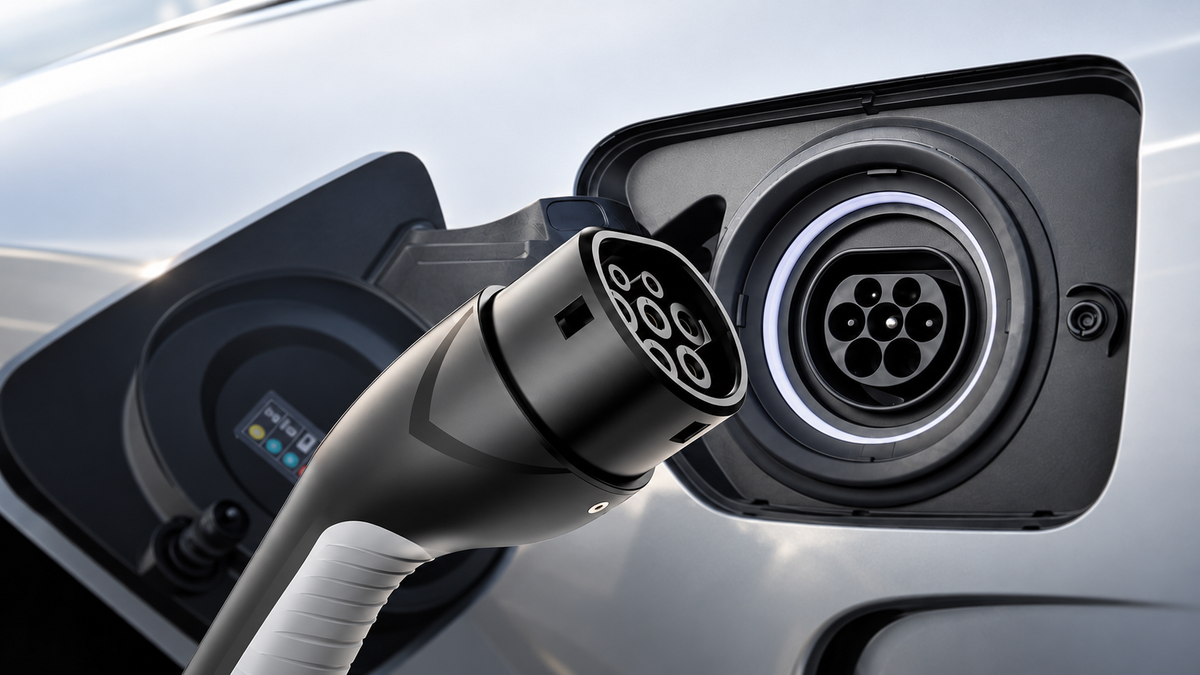
Charging an electric car from a standard household socket is convenient, especially when you don't have a dedicated home charging station. But is it safe to use a Schuko socket for EV charging every day?
The short answer: Yes, a Schuko socket can charge an electric car, but it is generally better suited to occasional or temporary charging than regular, prolonged use.
Although Schuko sockets are commonly rated at 16A, not every household electrical installation can safely handle continuous high-current charging.
In this guide, we'll explain the main safety risks, suitable charging currents, and practical ways to charge your EV more safely at home.
What Is a Schuko Socket, and How Much Power Can It Deliver?
A Schuko socket (Type F) is a grounded household outlet commonly used in Germany and other European countries. It typically operates at 230V.
When connected to a compatible portable EV charger, it can supply power to an electric car with a suitable AC charging inlet.
However, EV charging can place a substantial load on a socket for many hours, unlike most everyday household appliances.
Schuko Charging Power: 6A to 16A
| Charging Current | Power at 230V |
|---|---|
| 6A | 1.38 kW |
| 8A | 1.84 kW |
| 10A | 2.30 kW |
| 13A | 2.99 kW |
| 16A | 3.68 kW |
These are theoretical input power values. Actual charging performance depends on the vehicle, equipment, and electrical conditions.
Important: A 16A socket rating does not automatically mean it is suitable for continuous 16A EV charging.
Is 10A Safer Than 16A?
Generally, a lower charging current produces less resistive heating at the same electrical connection.
For example, under identical resistance conditions, 16A can generate approximately 2.56 times as much heat as 10A at a connection.
This makes lower-current charging worth considering when using a household socket.
However, even 8A or 10A is not guaranteed to be safe if the socket or electrical installation is damaged, outdated, or unsuitable.
Always follow the equipment manufacturer's instructions and have the installation assessed by a qualified electrician before repeated charging.
Why Can Daily Schuko EV Charging Be Risky?
The main concern with Schuko charging is not simply the amount of electricity used, but the sustained electrical load.
1. Socket Overheating
Continuous charging generates heat at electrical connections.
Worn contacts, loose terminals, or corrosion can increase electrical resistance, potentially causing excessive temperatures during long charging sessions.
2. Unsuitable Household Wiring
Older electrical installations may not be designed for prolonged EV charging.
A socket that works perfectly for household appliances may still be unsuitable for charging an electric vehicle for several hours.
3. Damaged or Loose Connections
Warning signs include:
-
Unusually hot plugs or sockets
-
Burning smells or visible discolouration
-
Crackling sounds or sparking
-
Unexpected charging interruptions
If you notice any of these symptoms, stop charging and arrange a professional inspection before using the socket again.
Germany's ADAC also advises against relying on ordinary household sockets as the preferred long-term EV charging solution.
How Long Does It Take to Charge an EV Using Schuko?
Schuko charging is relatively slow compared with dedicated charging equipment.
For example, adding 20kWh of energy to an EV battery would take approximately:
| Charging Current | Nominal Power | Charging Time |
|---|---|---|
| 6A | 1.38 kW | 14.5 hours |
| 8A | 1.84 kW | 10.9 hours |
| 10A | 2.30 kW | 8.7 hours |
These estimates exclude charging losses. Real charging times will usually be longer.
For drivers covering short daily distances, a suitable household connection may provide enough energy. However, larger batteries and frequent driving make dedicated charging infrastructure more practical.
5 Essential Safety Tips for Schuko EV Charging
If you occasionally charge your EV from a household socket, follow these precautions.
1. Check Your Electrical Installation
Before repeated charging, have a qualified electrician inspect the socket, wiring, earthing, and protective devices.
Do not assume an existing household outlet is suitable for sustained EV charging.
2. Choose an Appropriate Charging Current
Avoid automatically selecting the highest current supported by your portable charger.
Use a setting compatible with the complete electrical installation and follow the manufacturer's instructions.
3. Avoid Extension Cables and Power Strips
Never use ordinary household extension leads, multi-socket adapters, or power strips for EV charging.
Additional connections can increase the risk of overheating.
4. Monitor Temperature and Connection Conditions
During initial charging sessions, watch for abnormal heat, smells, or unexpected interruptions.
Keep connections appropriately protected from moisture and damage, particularly when charging outdoors.
5. Use Suitable EV Charging Equipment
Choose a compatible portable EV charger with appropriate protective functions.
Features such as adjustable charging current and temperature monitoring can be helpful, but they cannot replace a safe electrical installation.
Choosing a Portable EV Charger with Safety Features
When selecting a portable charger for occasional household-socket charging, adjustable current and temperature monitoring are useful features to consider.

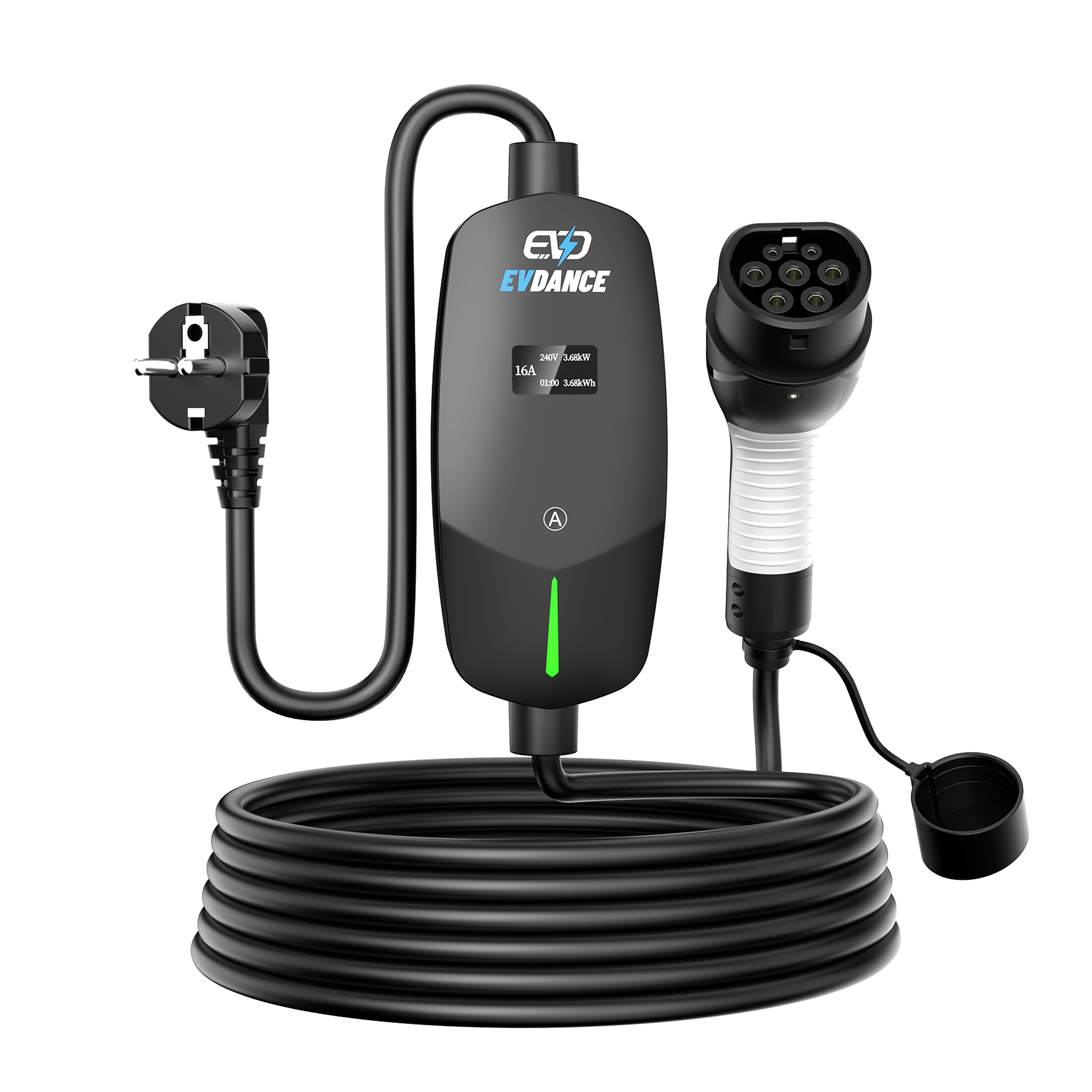
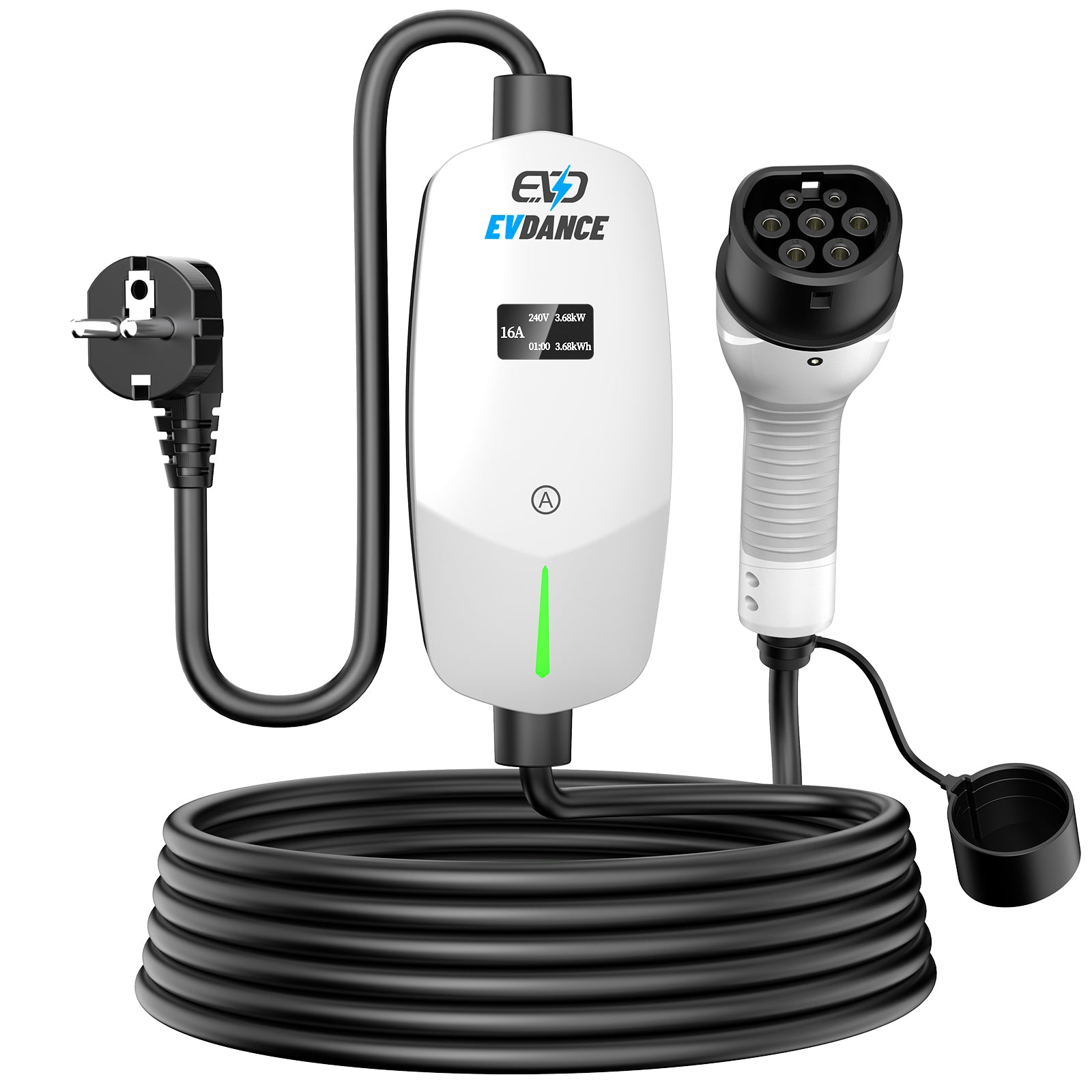
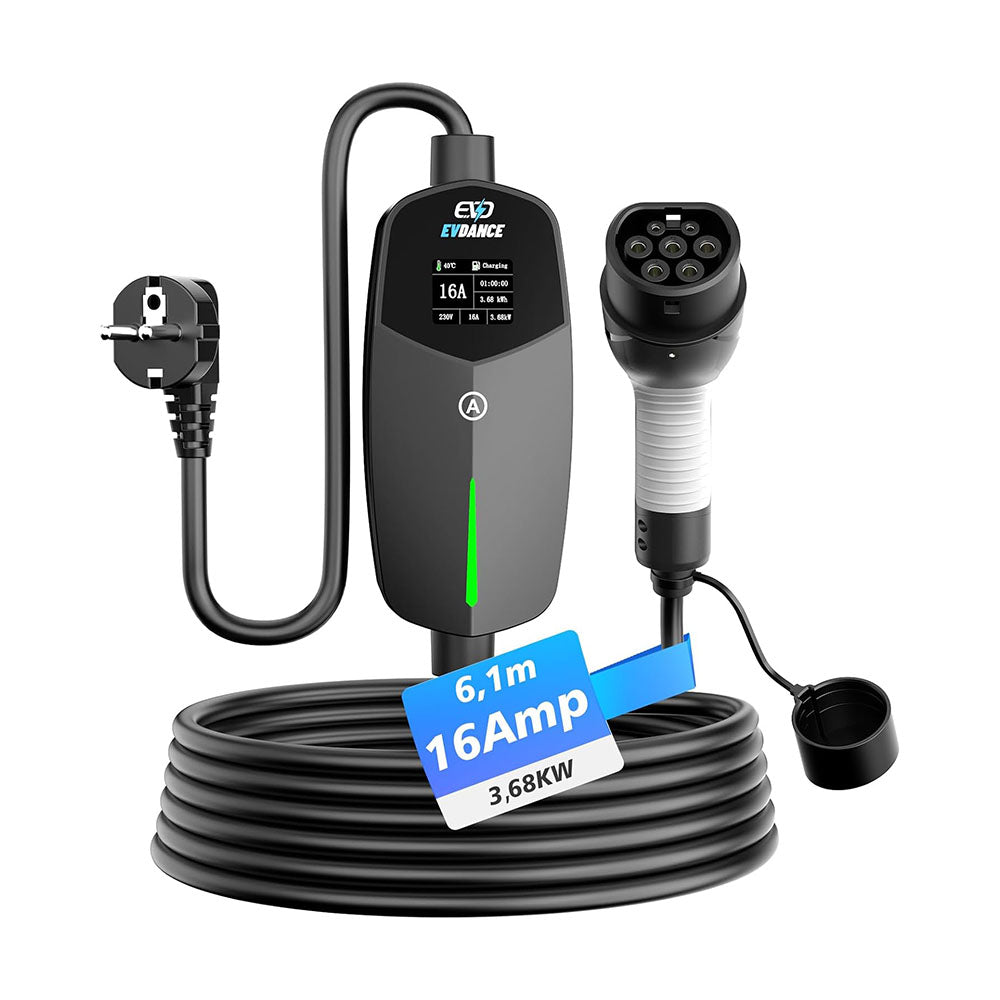
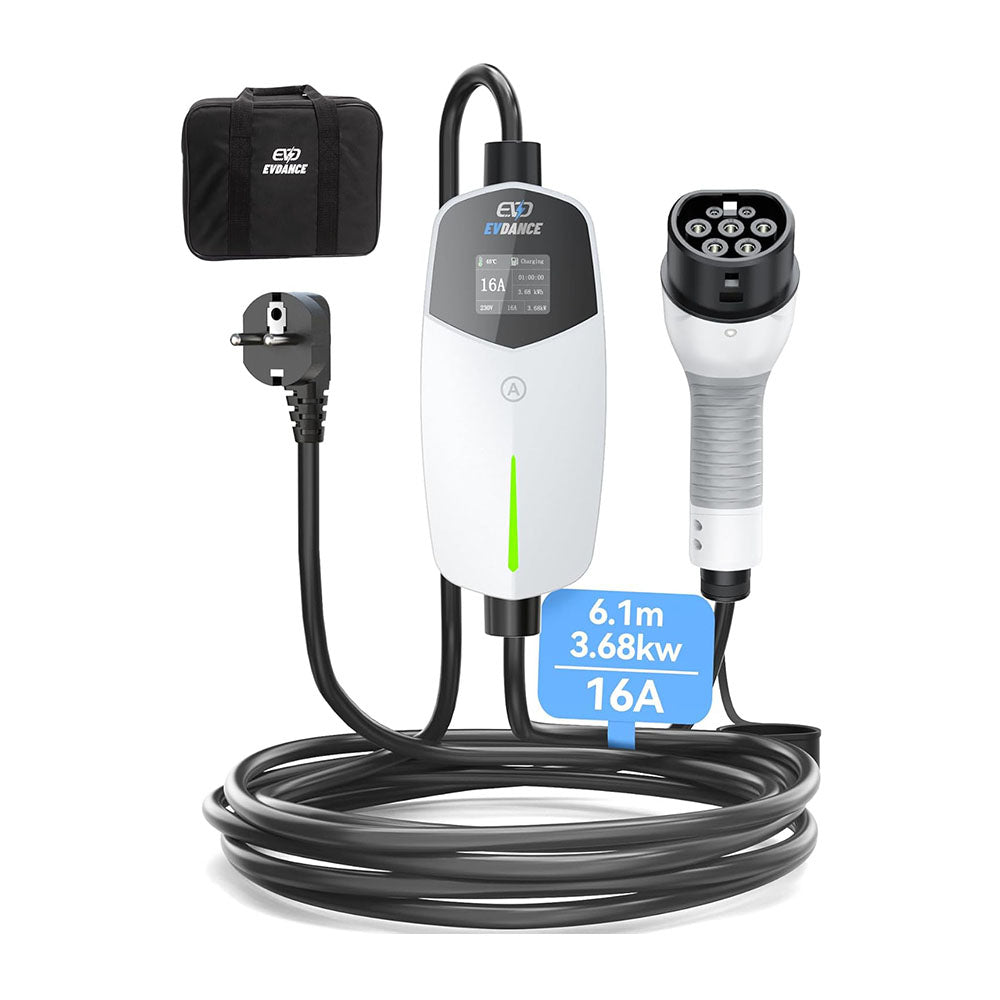
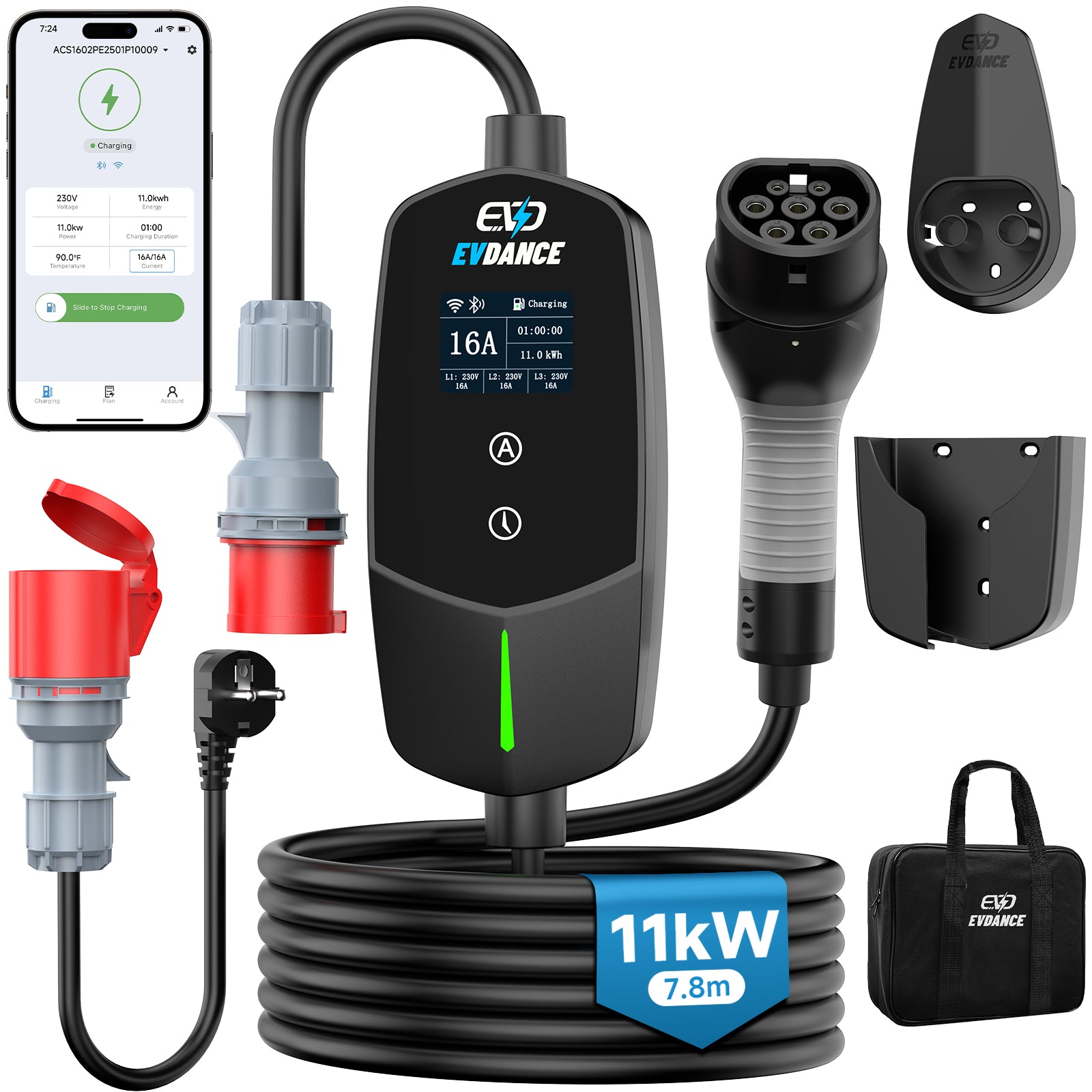
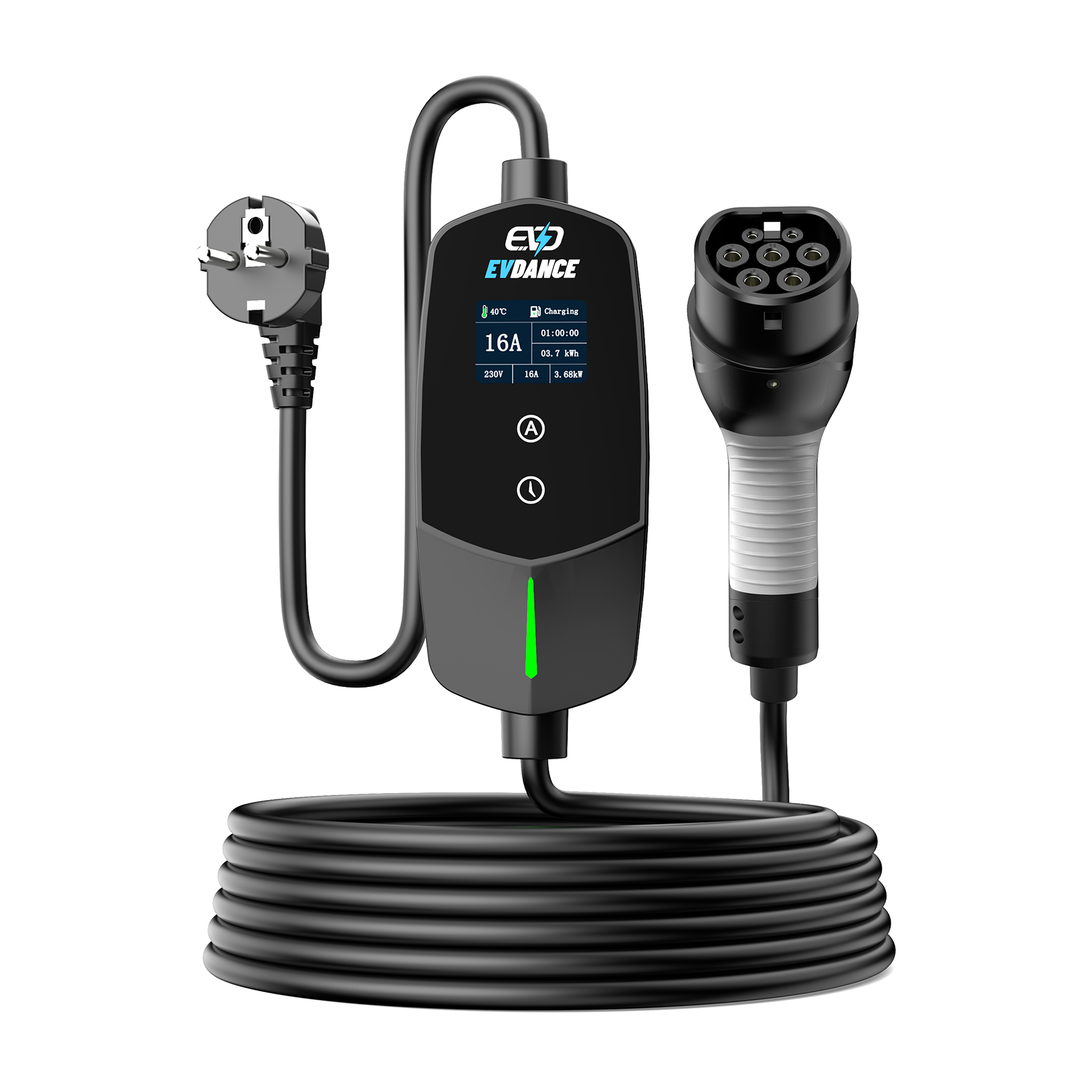
The EVDANCE Schuko Portable EV Charger offers adjustable charging settings of 6A, 8A, 10A, 13A, and 16A, along with temperature monitoring in the Schuko plug and control unit.
It also features an IP66-rated charger enclosure and supports compatible Type 2 vehicles.
These functions can help users select an appropriate charging current and monitor operating conditions.
However, the charger's maximum 16A capability does not mean a standard Schuko socket is suitable for continuous 16A charging.
Always confirm that the electrical installation supports the intended charging load.
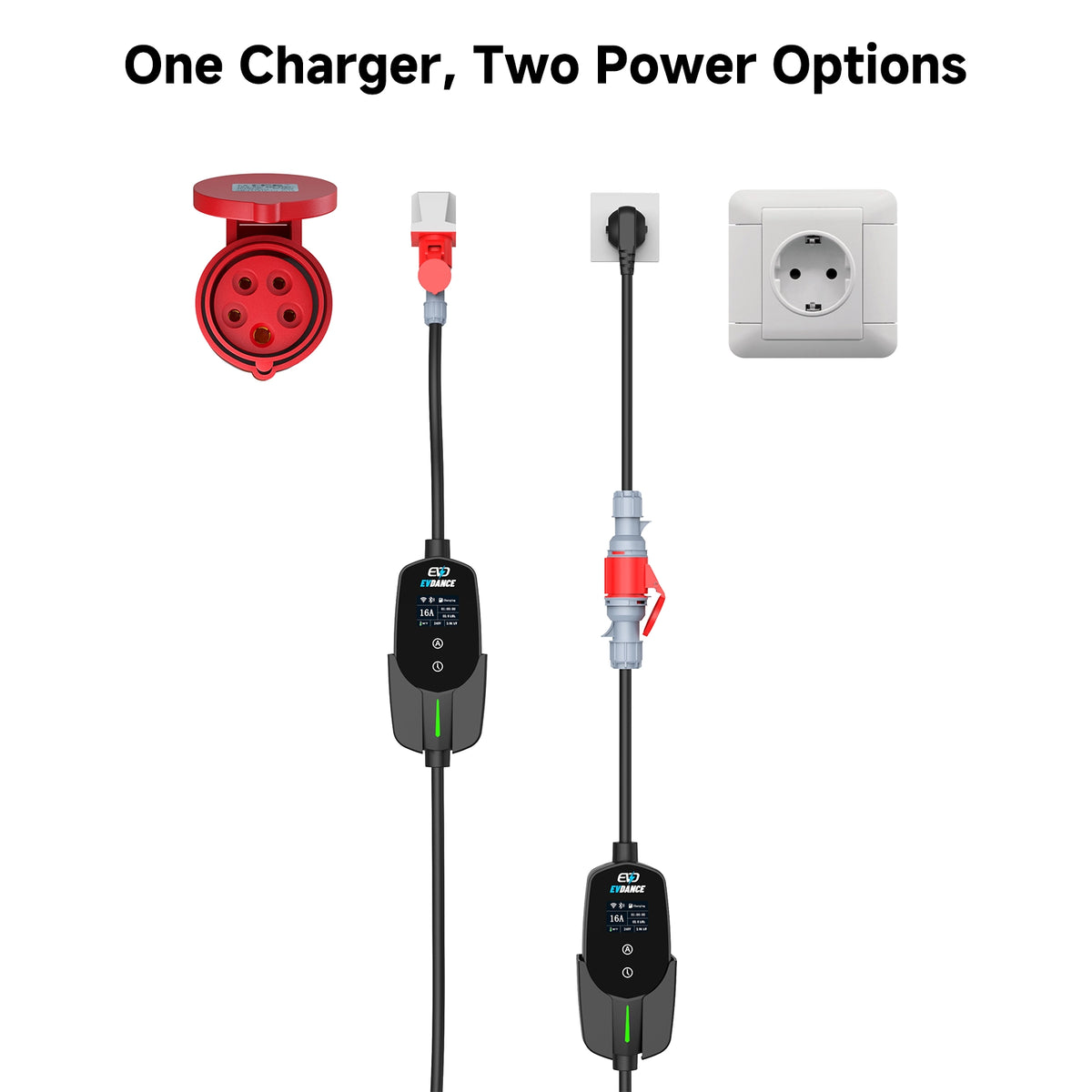
Schuko vs. CEE vs. Wallbox: Which Is Better?
Different charging solutions suit different needs.
| Charging Option | Best Suited For |
|---|---|
| Schuko socket | Occasional or temporary charging |
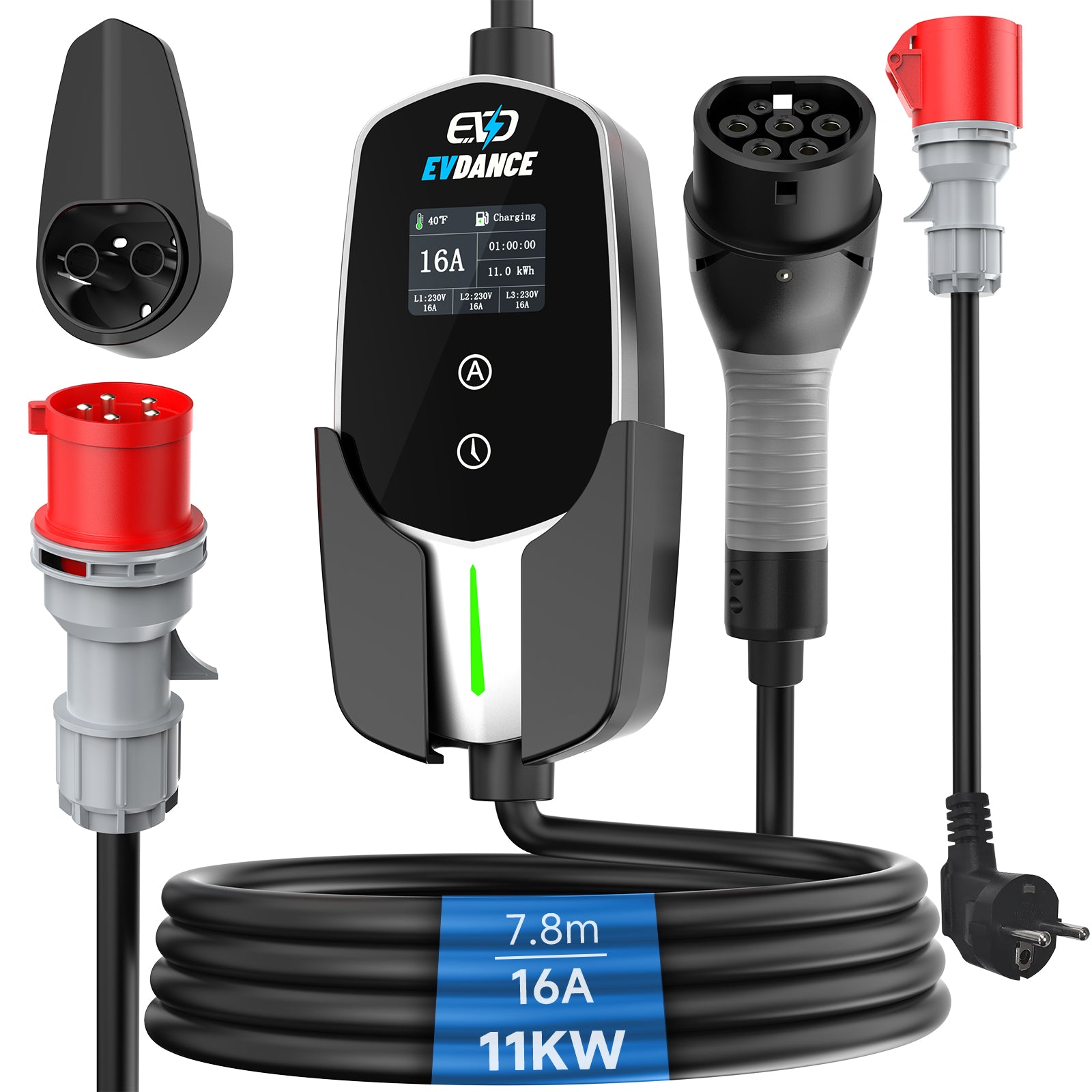
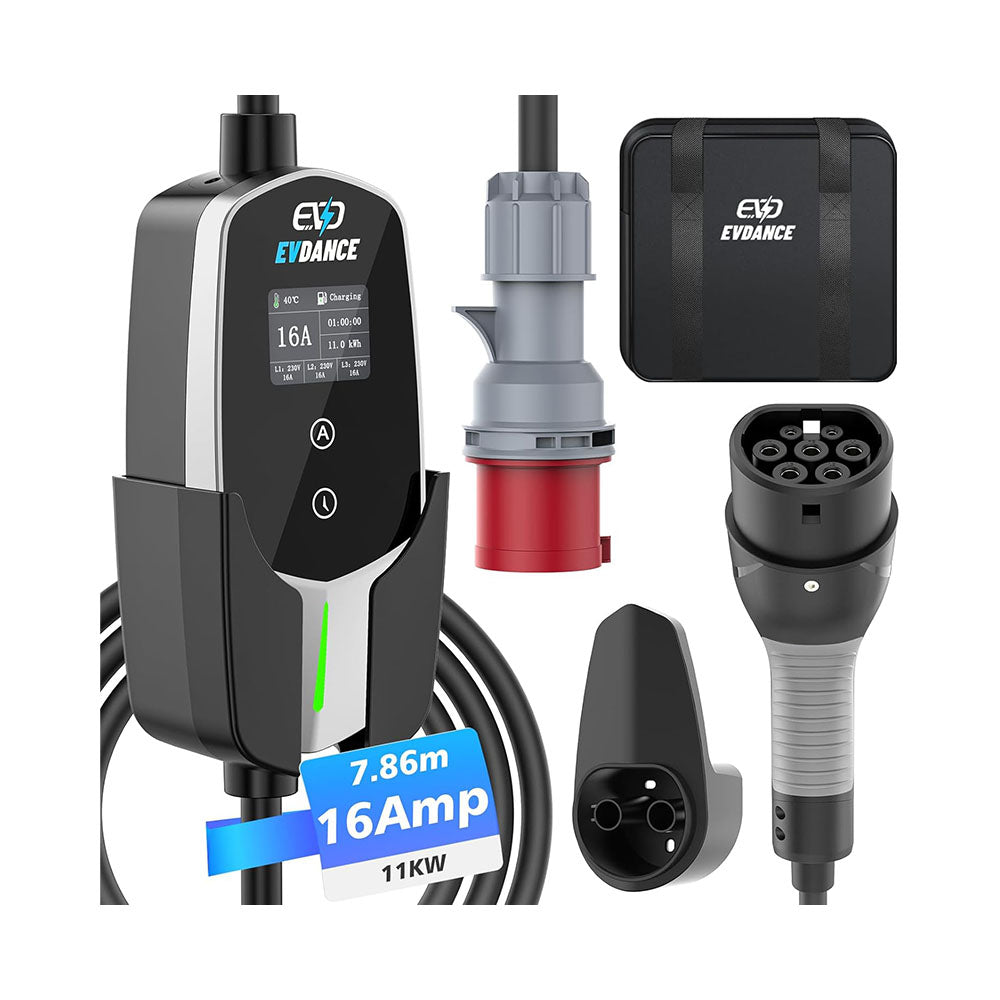
| Suitable CEE connection | Regular charging with compatible equipment |
| Dedicated Wallbox | Convenient, regular home charging |
A properly installed CEE connection can offer a more suitable solution for higher sustained loads, while a dedicated Wallbox is generally preferable for everyday home charging.
However, both require appropriate electrical installation and protection.
If you're comparing household and industrial sockets, explore our Schuko vs. CEE charging guide for more information.
Frequently Asked Questions
Can I Charge My Electric Car from a Schuko Socket Overnight?
Yes, provided the electrical installation and charging equipment are suitable. However, prolonged overnight charging through an unverified household socket is not recommended. A dedicated charging point is generally preferable for regular use.
Is 10A Safe for Schuko EV Charging?
10A produces less resistive heating than 16A under comparable conditions, but safety depends on the socket, wiring, and protective devices. No current setting can compensate for a defective installation.
Can I Use 16A on a Standard Schuko Socket?
Do not assume that a standard Schuko socket can safely provide 16A continuously. Its suitability must be established by the installation and equipment specifications.
Can a Schuko Socket Overheat While Charging?
Yes. Loose contacts, damaged components, and prolonged electrical loads can lead to overheating. Stop charging if you notice excessive heat, unusual smells, or discolouration.
Final Verdict: Is Daily Schuko EV Charging Safe?
A Schuko socket can be useful for occasional EV charging, but it is generally not the ideal long-term solution for everyday use.
Lower charging currents, compatible equipment, and temperature monitoring can help manage risks. However, the most important factor is a properly maintained electrical installation suitable for the charging load.
For frequent home charging, consider a professionally installed CEE connection or dedicated Wallbox.
Safe EV charging starts with the right electrical installation—not simply a charger with a higher power rating.
Sources and Further Reading
Disclaimer: This article provides general EV charging information. Electrical installation requirements vary by country. Consult a qualified electrician and follow applicable regulations and manufacturer instructions.






Share:
IP54, IP65 or IP66: Which IP Rating Does an EV Charger Need?
Why Is My Electric Car Charging So Slowly at Home? 7 Common Reasons