

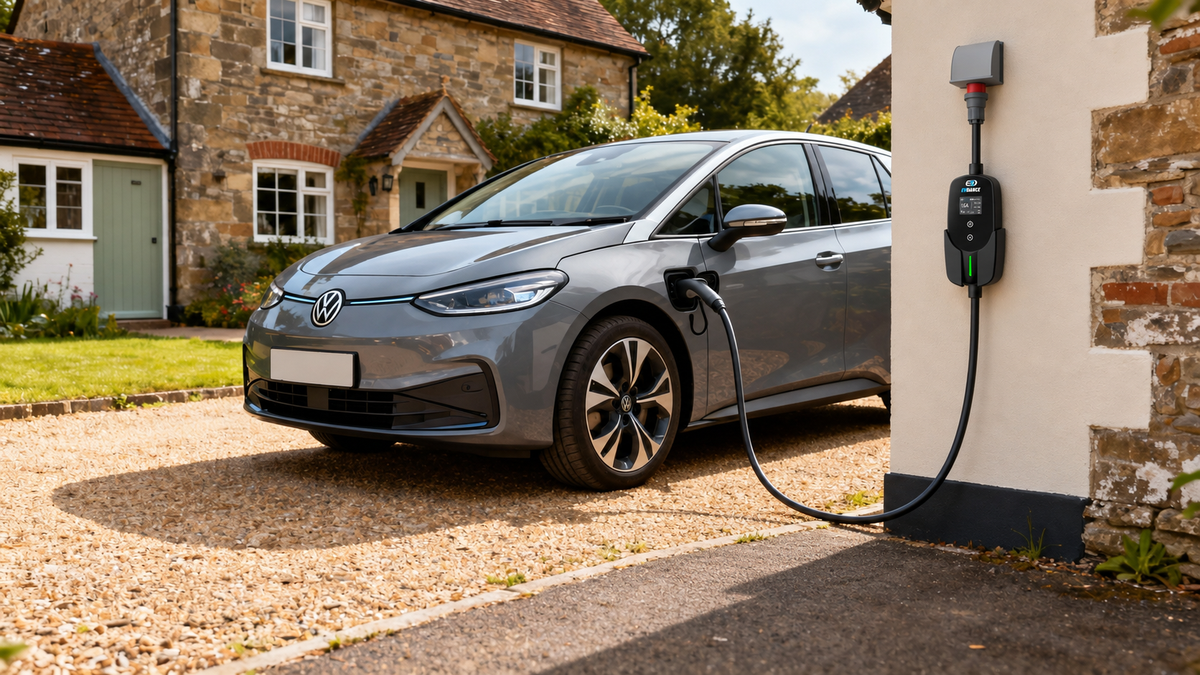
You plug in your electric car at home, expecting it to recharge overnight. But hours later, the battery percentage has barely increased. Why is your EV charging so slowly?
The short answer: Slow home EV charging is usually caused by limited electrical supply, low charging current, vehicle charging limits, or battery conditions.
A charger advertised as 11kW or 22kW does not guarantee your vehicle will charge at that speed. The actual charging power depends on several factors working together.
Here are seven common reasons why your electric car may charge more slowly than expected—and what you can do about them.
1. You're Charging from a Standard Household Socket
One of the most common reasons for slow EV charging is using a regular household socket instead of a dedicated charging connection.
In many European countries, Schuko sockets operate at approximately 230V. Charging power depends on the current supplied.
| Charging Current | Approximate Power |
|---|---|
| 6A | 1.38 kW |
| 8A | 1.84 kW |
| 10A | 2.30 kW |
| 16A | 3.68 kW |
For example, at 10A, adding 20kWh to your battery takes at least 8.7 hours before accounting for charging losses.
A household socket may be convenient for occasional charging, but it is generally unsuitable as the preferred long-term charging solution.
What to check: Confirm the socket and electrical installation are suitable for EV charging. Never increase the current simply to charge faster without checking the circuit's capacity.
For more information, read our Schuko EV Charging Safety Guide.
2. Your Portable EV Charger Is Set to a Low Current
Many portable EV chargers allow you to adjust the charging current.
For example, your charger might support 6A, 8A, 10A, 13A, and 16A settings. If it is set to 6A, charging will be noticeably slower than at 10A on the same voltage.
Some vehicles also have their own charging current limits in their infotainment systems or mobile apps.
What to check:
-
Review the current displayed on your portable charger.
-
Check the charging settings in your vehicle.
-
Confirm the maximum permitted current for your electrical installation.
Only increase the current when the socket, wiring, charging equipment, and vehicle all support the higher setting.
For a detailed explanation, see our Guide to Adjustable Charging Current.
3. Your Electric Car's Onboard Charger Has a Power Limit
One important factor is often overlooked: your vehicle controls how much AC charging power it can accept.
Electric cars contain an onboard charger that converts alternating current (AC) into direct current (DC) for the battery.
Depending on the model, an EV may support approximately 3.7kW, 7.4kW, 11kW, or 22kW AC charging.
For example, if your vehicle supports a maximum of 11kW AC charging, connecting it to a 22kW Wallbox will not make it charge at 22kW.
The vehicle can only accept power within its own charging limits.
What to check: Look up the maximum AC charging capacity in your vehicle's technical specifications. Remember that DC fast-charging ratings are different from AC home-charging ratings.
4. Your Home Electrical Supply Limits Charging Power
Not all European homes have the same electrical infrastructure.
Some charging connections are single-phase, while others provide three-phase power.
This can make a significant difference in charging performance.
3.7kW vs 7.4kW vs 11kW vs 22kW
| Charging Power | Typical Electrical Configuration |
|---|---|
| 3.7 kW | Single-phase, 230V / 16A |
| 7.4 kW | Single-phase, 230V / 32A |
| 11 kW | Three-phase, 400V / 16A |
| 22 kW | Three-phase, 400V / 32A |
These are nominal power levels. Actual power depends on the vehicle and installation.
In Germany and some other European countries, single-phase charging can also be subject to restrictions intended to prevent excessive phase imbalance.
Even if a charger supports 7.4kW, your local installation may not permit that power on a single phase.
What to check: Ask a qualified electrician whether your home supports the intended charging load and whether a suitable dedicated charging connection is available.
5. Cold Weather Is Affecting Your Battery
Electric vehicle batteries work best within certain temperature ranges.
During winter, the battery management system may limit charging power to protect the battery when it is cold.
Some energy may also be used to warm the battery before or during charging.
As a result, the amount of energy stored in the battery can increase more slowly than expected.
This effect is particularly noticeable with DC fast charging, but temperature-related battery management and heating can also affect home AC charging.
What to check: Review your vehicle's winter charging recommendations. If supported, use the manufacturer's battery preparation or scheduled charging features.
Avoid assuming that reduced charging speed in cold weather means your portable charger is faulty.
6. Your EV Has Reached a High Battery Charge Level
Charging speed can change as the battery approaches its selected charging limit.
Many drivers notice that charging slows down near a high state of charge.
This effect is especially significant during DC fast charging. During AC home charging, the impact varies by vehicle and battery management system.
Your vehicle may also stop charging completely when it reaches a preset limit, such as 80% or 90%.
What to check:
-
Check the battery percentage.
-
Review the vehicle's charging limit.
-
Confirm whether a charging schedule is active.
If your car repeatedly stops at the same battery percentage, it may simply be following a setting rather than experiencing a fault.
7. Your Charging Equipment Is Reducing Power for Safety
Some EV chargers can reduce or interrupt charging when abnormal operating conditions are detected.
Potential causes include:
-
Excessive temperatures
-
Unstable electrical supply
-
Poor electrical connections
-
Vehicle or charger protection settings
-
Charging equipment faults
For example, a portable charger with temperature monitoring may respond to excessive heat detected at a monitored location.
This protective behaviour should not be bypassed.
What to check: Review any error messages on the charger or vehicle display. If the plug, socket, or cable becomes unusually hot, damaged, or discoloured, stop charging and arrange an inspection.
Never attempt to increase charging speed by bypassing safety systems.
How Can You Improve Home EV Charging Speed?
If your electric car regularly charges more slowly than you need, start by identifying the actual limitation.
A useful first step is to compare your vehicle's maximum AC charging power with the capabilities of your home electrical connection and charging equipment.
Choose the Right Charging Solution
For European drivers, common options include:
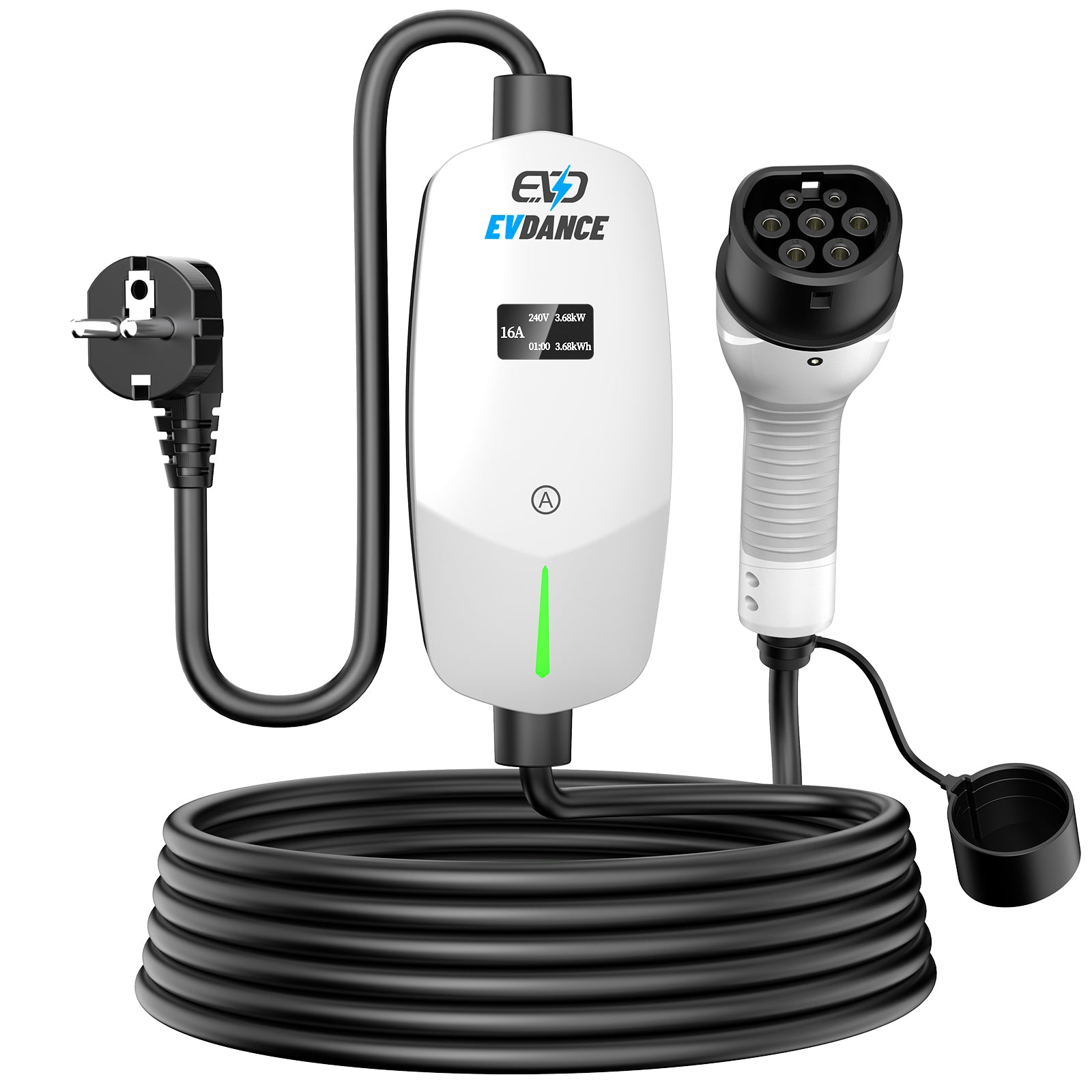
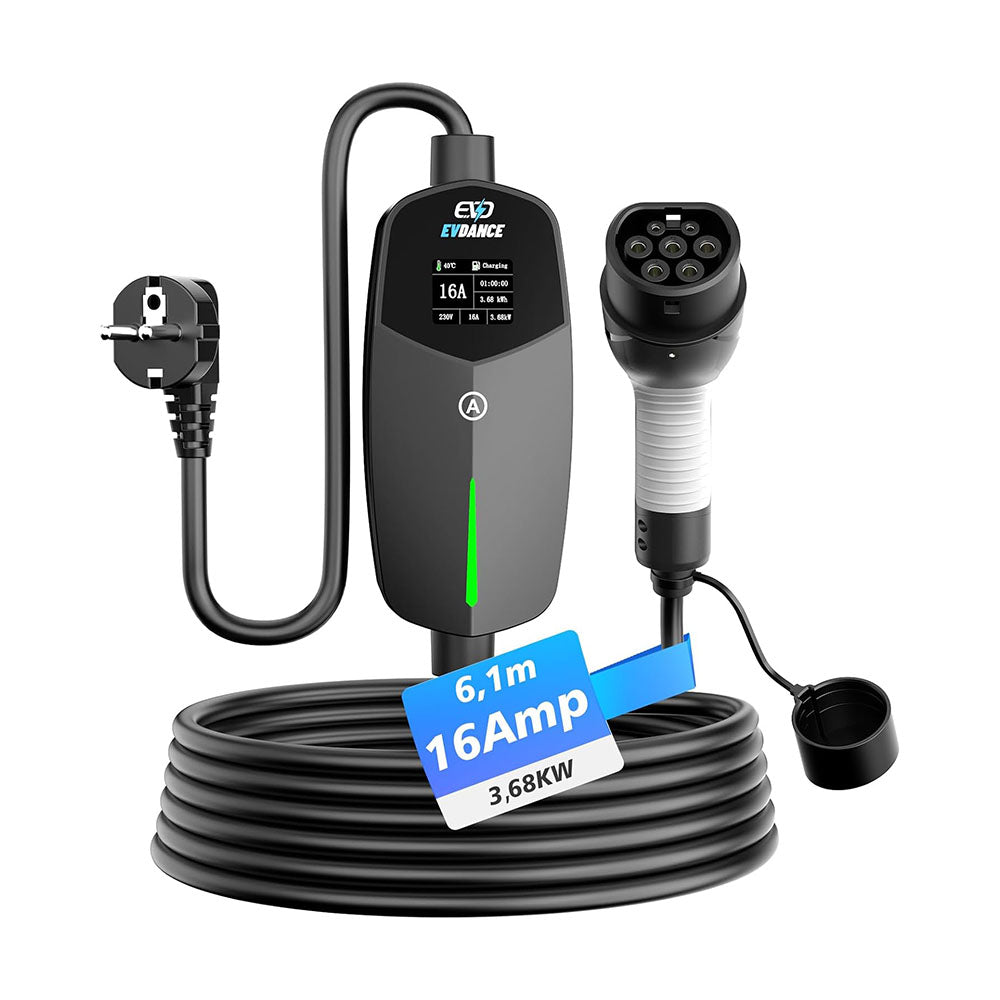
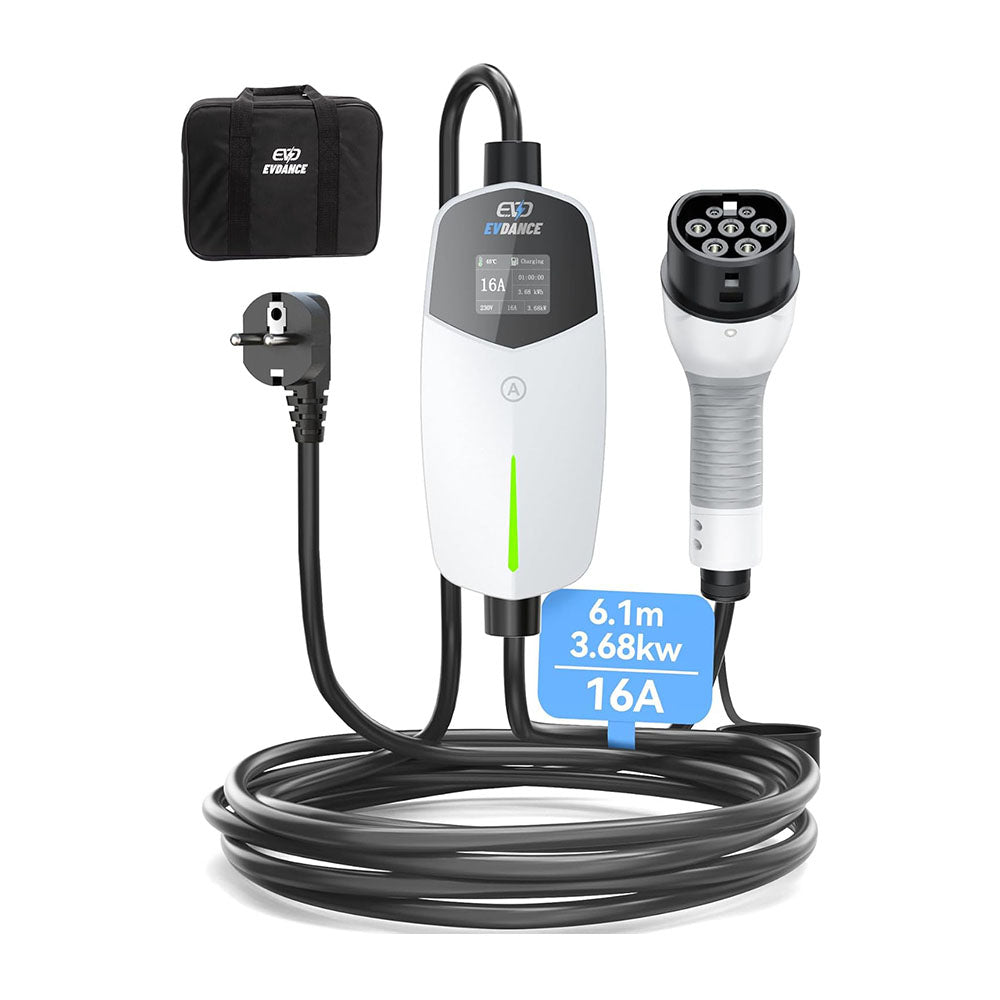
Schuko portable charging: Suitable for occasional charging when the household socket and electrical installation have been confirmed appropriate.
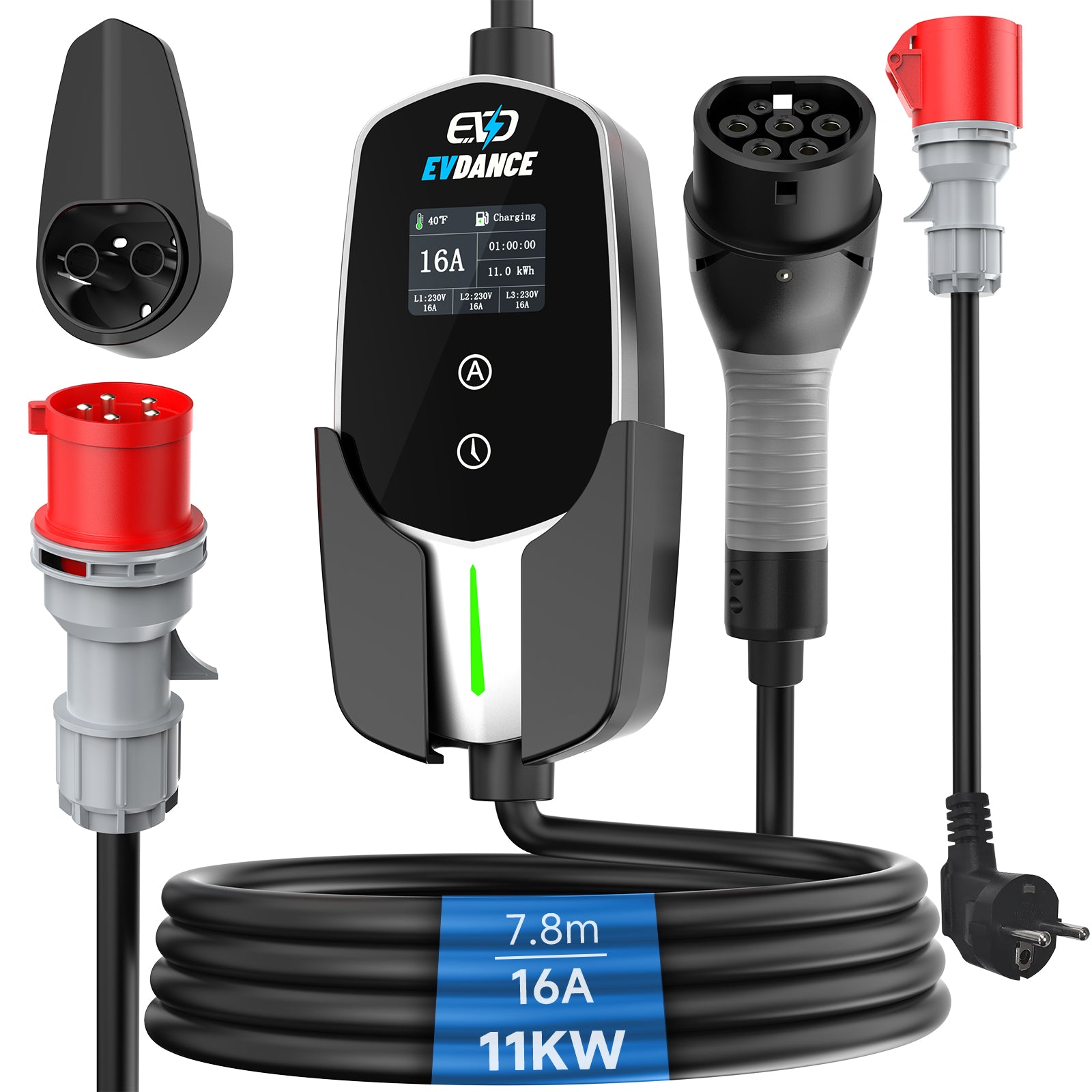
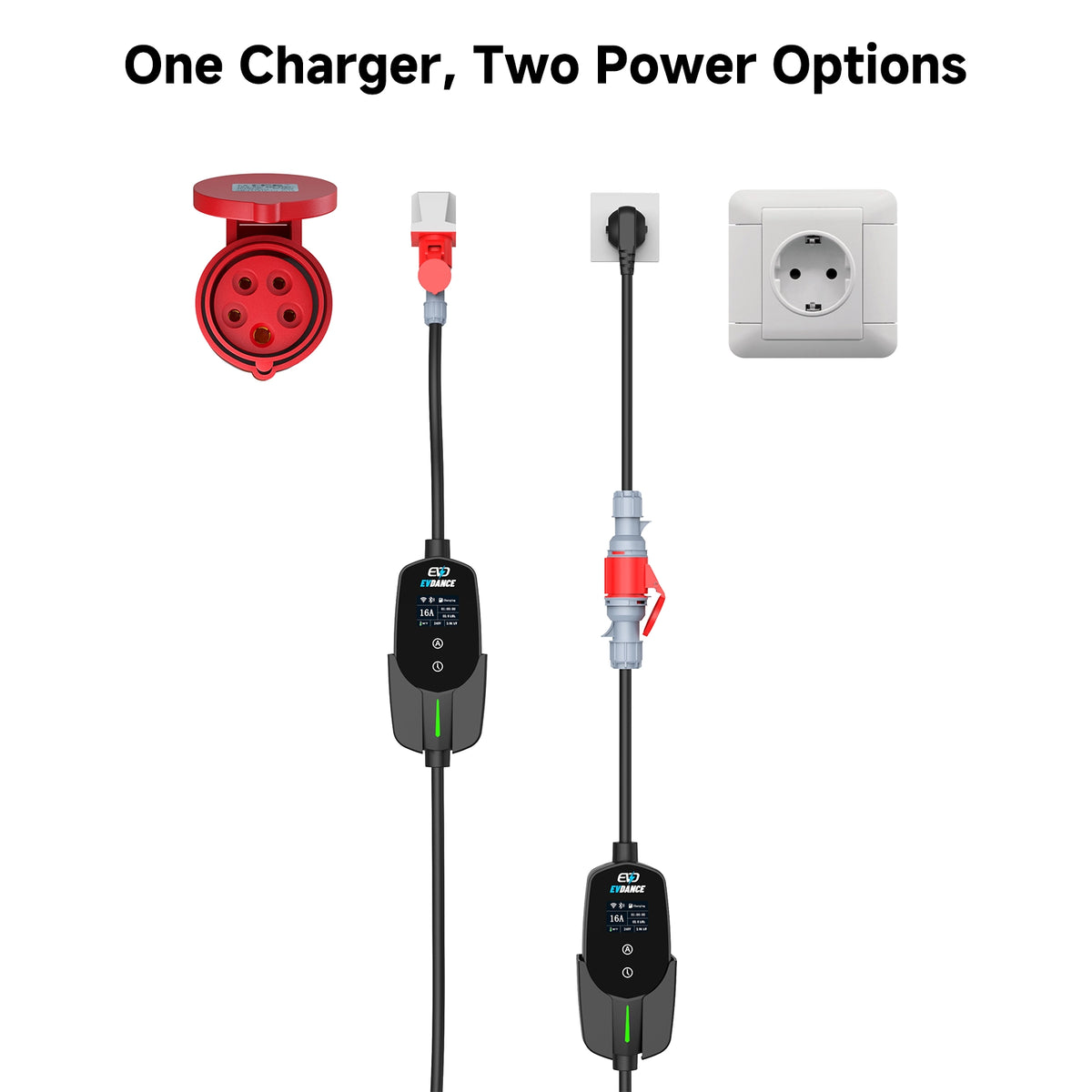
CEE portable charging: A correctly installed CEE connection can support higher continuous loads with compatible charging equipment.
Dedicated Wallbox charging: Often the most convenient solution for regular home charging, provided it is professionally installed and matches the vehicle and electrical supply.
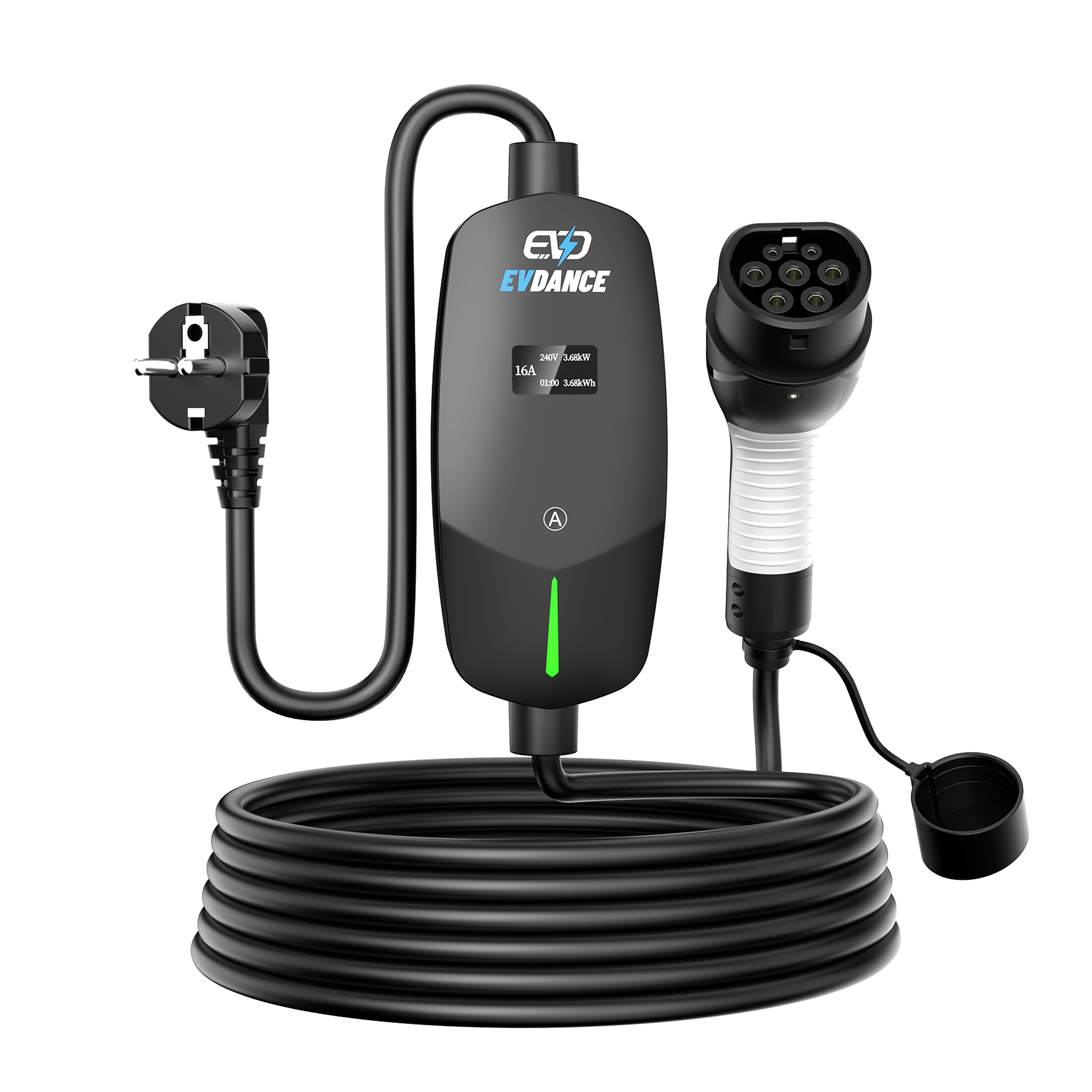
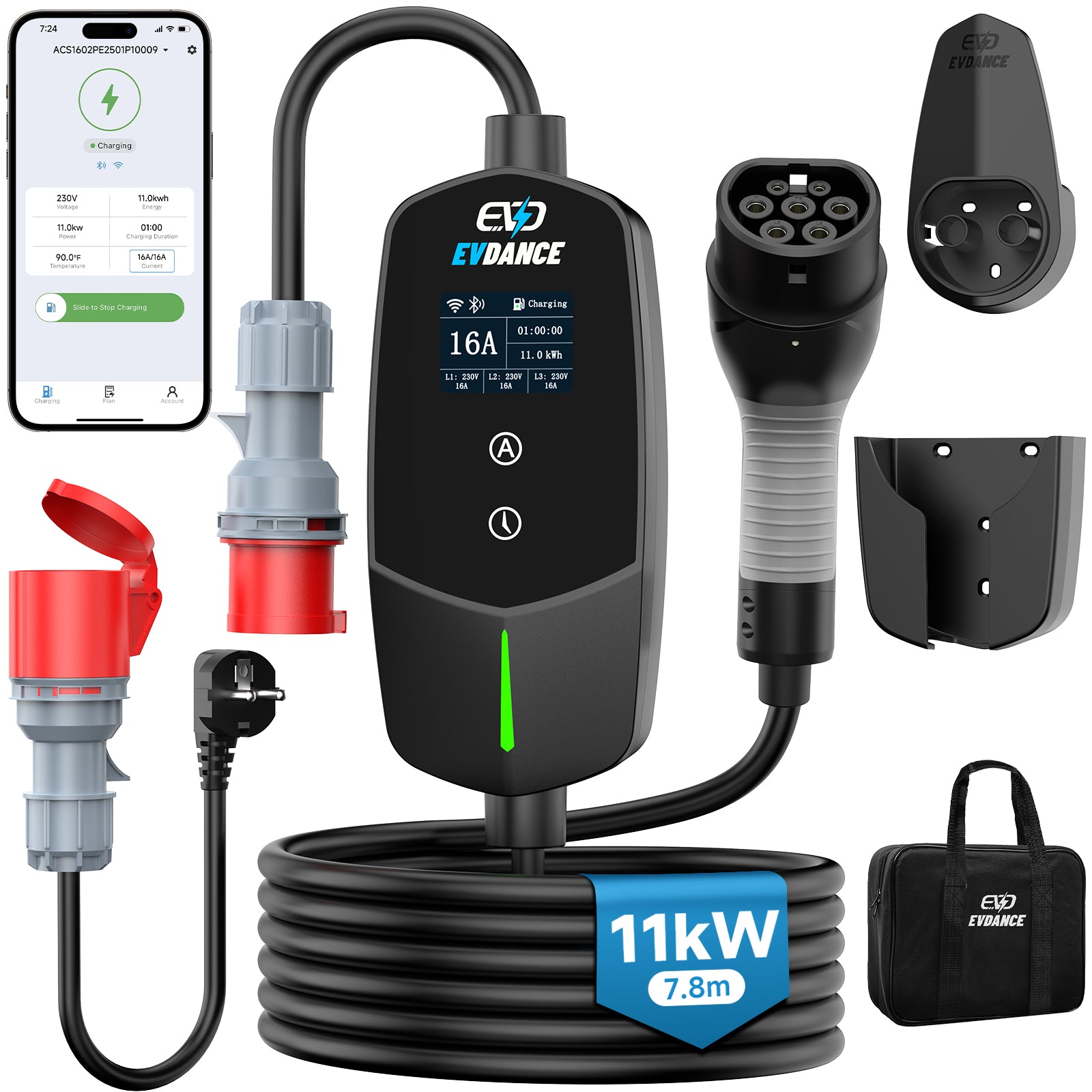
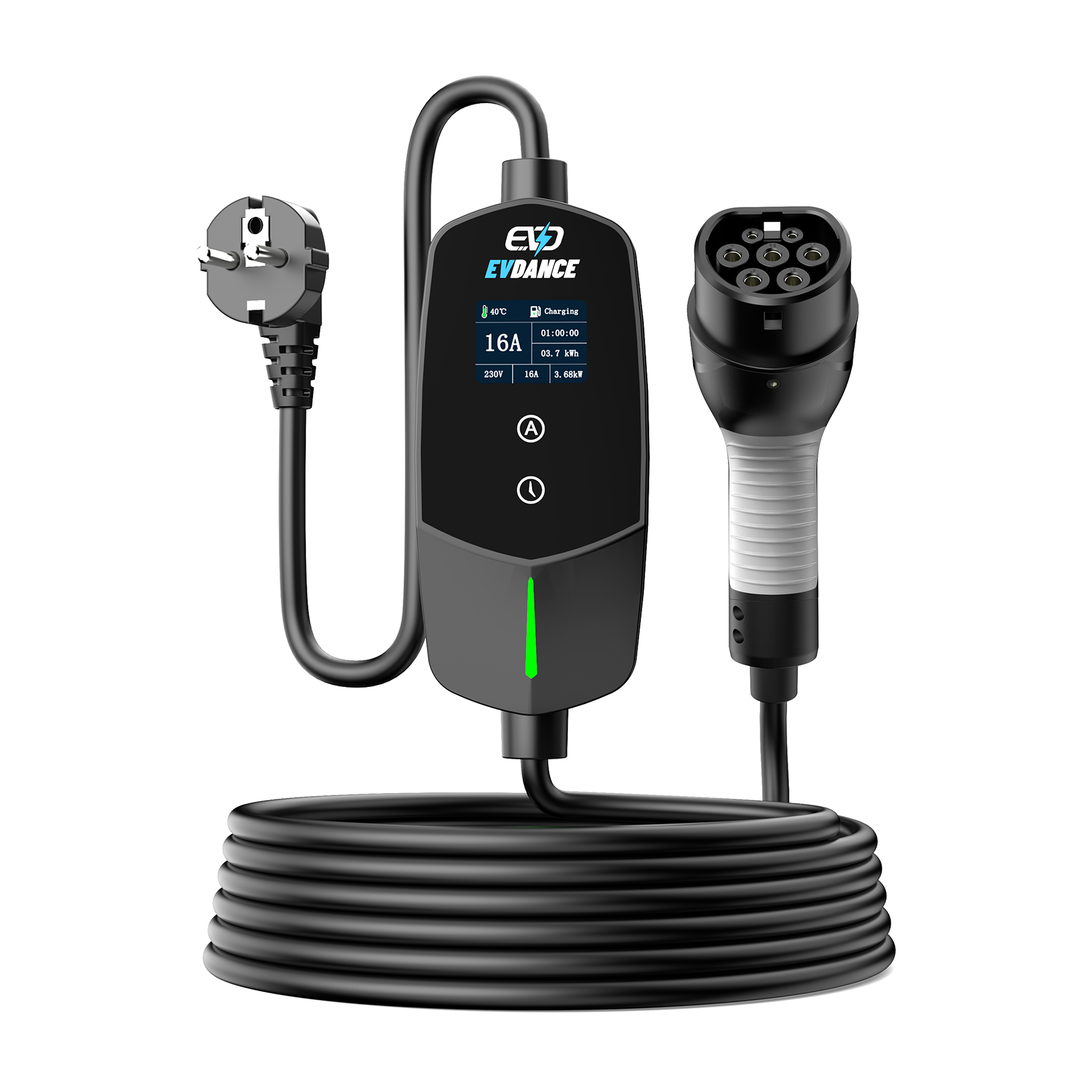
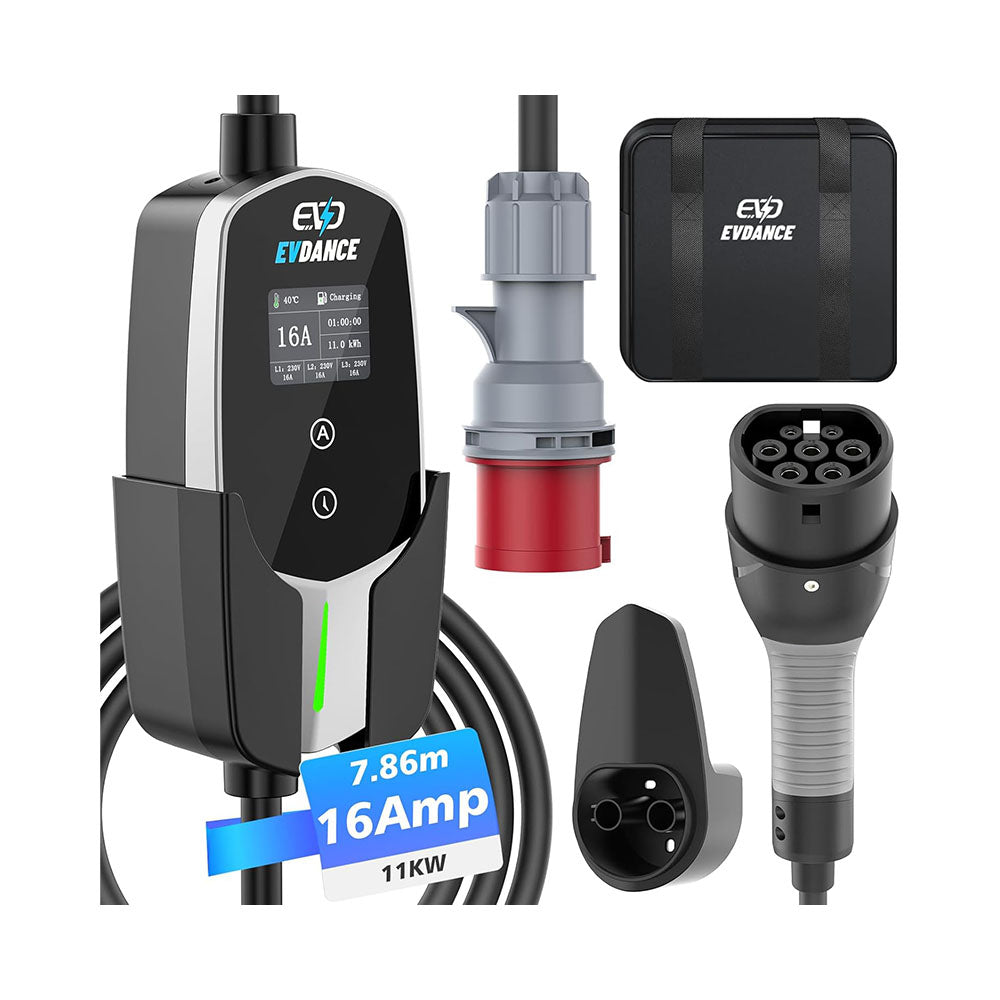
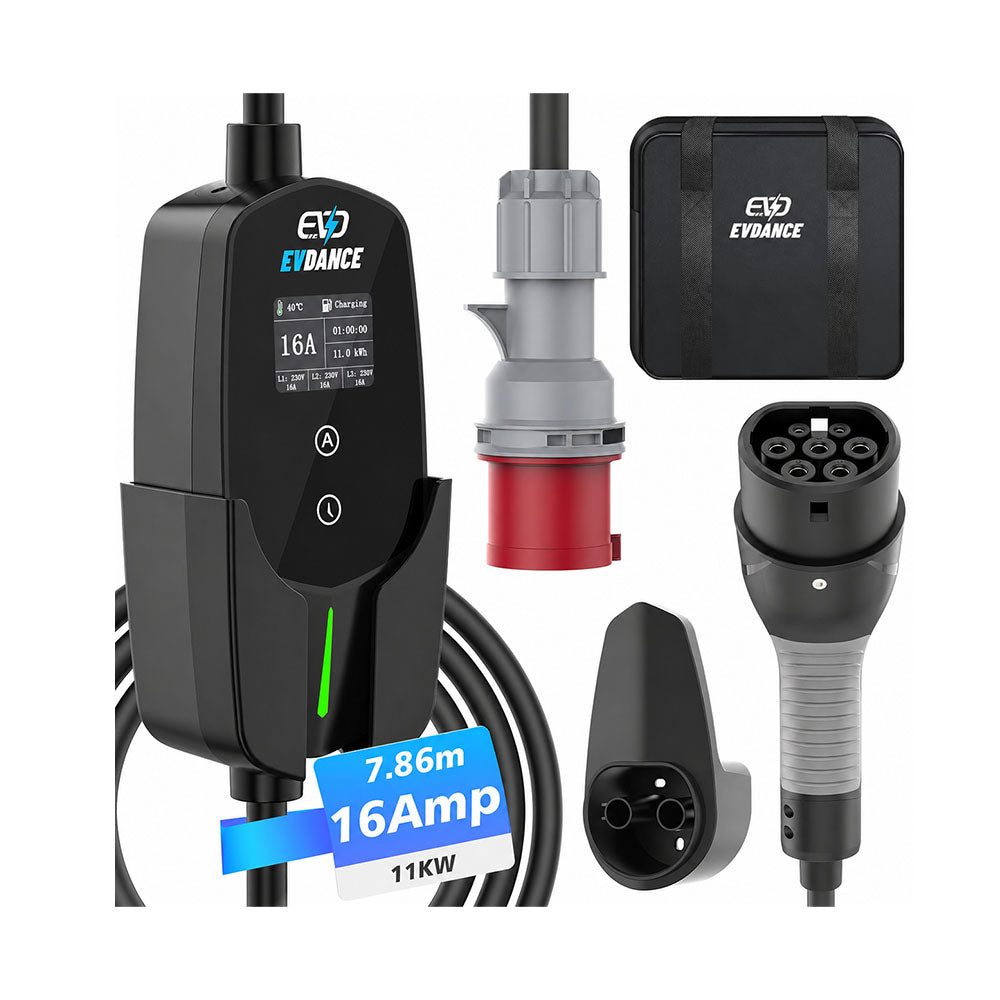
For drivers with a suitable three-phase connection and an EV that supports 11kW AC charging, an EVDANCE 11kW CEE Portable EV Charger can provide a practical option.
It supports a compatible 400V three-phase CEE 16A connection, adjustable charging current, and a real-time charging display.
However, upgrading the charger alone will not overcome the power limits of your vehicle or electrical installation.
You can also explore the EVDANCE CEE EV Chargers Collection to compare compatible charging options.
Frequently Asked Questions
Why Is My EV Only Charging at 2.3kW?
A charging power of approximately 2.3kW typically corresponds to 230V at 10A. Your portable charger, vehicle settings, or available electrical supply may be limiting the current.
Why Is My 11kW Charger Only Delivering 3.7kW?
Possible reasons include a single-phase connection, vehicle AC charging limitations, or reduced current settings. A three-phase 11kW charger requires a suitable three-phase supply and compatible vehicle to reach its nominal maximum.
Will a 22kW Charger Charge My Car Faster Than an 11kW Charger?
Only if your vehicle, electrical installation, and charging configuration support more than 11kW AC charging. Otherwise, a 22kW charger may provide no charging-speed advantage.
Does Cold Weather Slow Down Home EV Charging?
Yes, it can. Cold battery temperatures and battery heating requirements may affect charging performance. The impact varies by vehicle and is generally more pronounced during DC fast charging.
Final Thoughts
If your electric car is charging slowly at home, the problem is not necessarily your EV charger.
The actual charging speed is determined by your electrical supply, charging equipment, vehicle's onboard charger, and battery conditions.
Before buying a faster charger, identify which factor is limiting your current setup.
The best home EV charging solution is not always the one with the highest advertised power—it's the one that safely matches your vehicle and electrical installation.
Sources and Further Reading
Disclaimer: Charging performance varies by vehicle, installation, and environmental conditions. Consult your vehicle manufacturer and a qualified electrician before changing electrical installations or charging equipment.






Share:
Is It Safe to Charge an Electric Car from a Schuko Socket Every Day?
EV Charging Schedules: Why Charging Starts Late or Not at All