

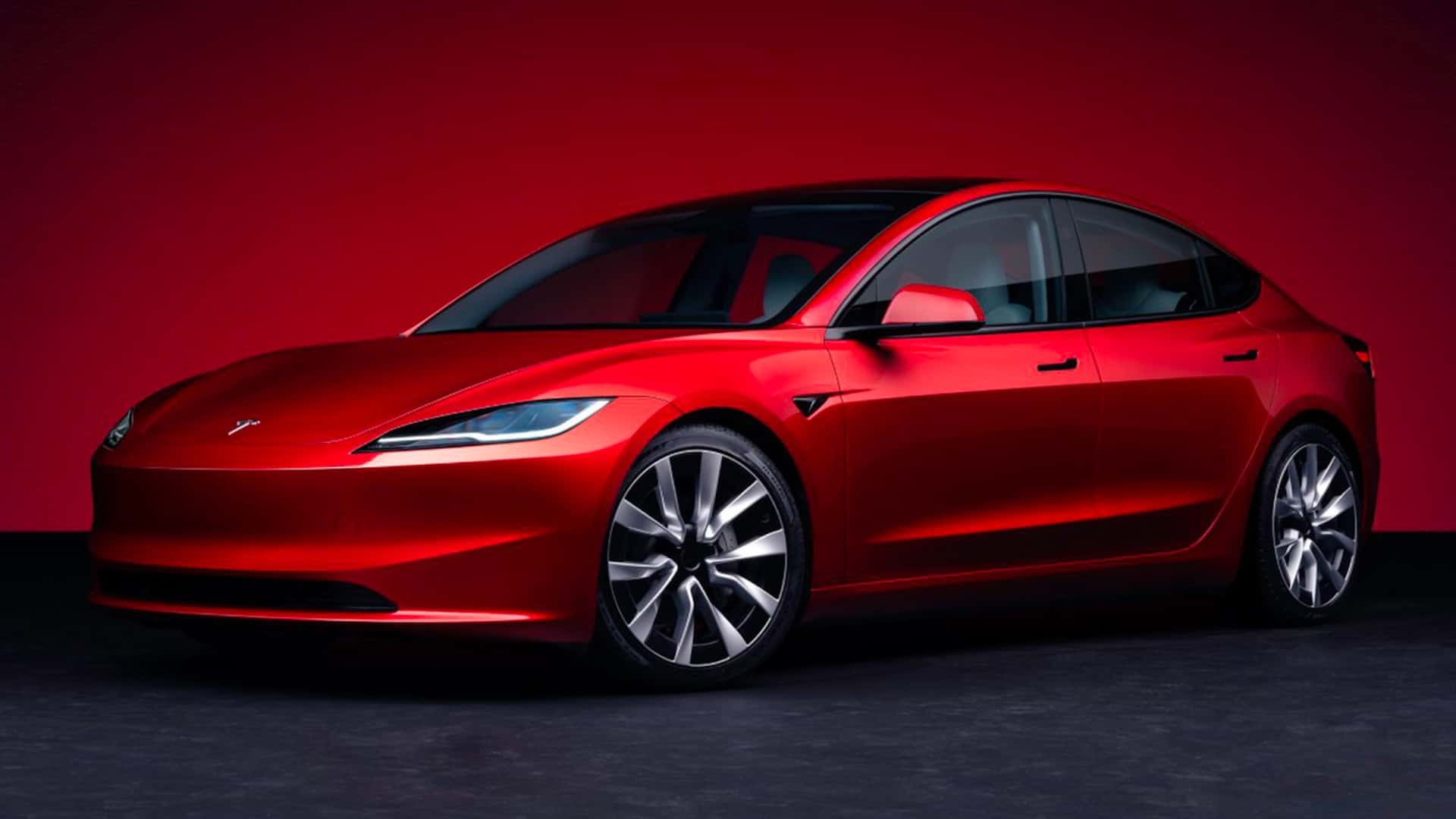
Alltag und Langzeiteindruck
Mehr als vier Jahre Nutzung liefern ein klares Bild vom Tesla Model 3: Im täglichen Einsatz überzeugt das Fahrzeug weiterhin durch Effizienz, Fahrverhalten und Softwareintegration. Gleichzeitig treten über die Zeit hinweg Schwächen zutage, die vor allem den Service betreffen. Diese Kombination aus technischer Stärke und organisatorischen Defiziten prägt die Gesamtbewertung.

Effizienz, Leistung und Ladenetz
Im Fahrbetrieb bleibt das Model 3 bemerkenswert sparsam. Verbrauchswerte von 14 bis 15 kWh pro 100 Kilometer sind unter günstigen Bedingungen realistisch und unterstreichen die aerodynamische und technische Effizienz des Fahrzeugs.
Auch die Beschleunigung wirkt nach wie vor dynamisch, selbst wenn sie im Alltag selten vollständig genutzt wird. In Verbindung mit einer soliden Reichweite ergibt sich ein Gesamtpaket, das in seiner Preisklasse weiterhin konkurrenzfähig ist.
Ein zentraler Vorteil bleibt das Ladenetz von Tesla. Die Supercharger-Infrastruktur gilt als zuverlässig, einfach nutzbar und gut ausgebaut. Besonders die automatische Abrechnung und die nahtlose Integration in das Fahrzeug erhöhen den Alltagskomfort deutlich.
Häufige Werkstatttermine und wiederkehrende Mängel
Trotz der überzeugenden Fahreigenschaften fällt die Bilanz bei der Zuverlässigkeit weniger positiv aus. Insgesamt wurden acht Werkstattbesuche innerhalb von vier Jahren notwendig – ein Wert, der über dem Erwarteten liegt.
Einige Defekte traten bereits früh auf, darunter Probleme mit der Heckklappe sowie ein Schaden an der Ladeverkabelung. Beide Fälle konnten zwar innerhalb der Garantiezeit behoben werden, deuten jedoch auf anfängliche Qualitätsmängel hin.
Besonders auffällig war ein wiederkehrendes Problem im Innenraum: Eine Verkleidung an der B-Säule löste sich mehrfach. Insgesamt waren vier Eingriffe erforderlich, bevor eine dauerhafte Verbesserung erreicht wurde. Auch danach blieb die Passgenauigkeit sichtbar beeinträchtigt.
Technische Störungen im Detail
Neben mechanischen Mängeln traten auch elektronische Fehler auf. Das Reifendruckkontrollsystem zeigte wiederholt Ausfälle, wobei Sensoren mehrfach ersetzt werden mussten.
Hinzu kam ein komplexerer Defekt im Kamerasystem. Zeitweise funktionierten zentrale Assistenzsysteme wie Tempomat oder Rückfahranzeige nur eingeschränkt. Die Ursache lag in einer fehlerhaften Kameraeinheit, die ausgetauscht wurde, jedoch später erneut Auffälligkeiten zeigte.
Solche wiederkehrenden Probleme sind besonders kritisch, da sie nicht nur Komfortfunktionen betreffen, sondern teilweise sicherheitsrelevante Systeme beeinflussen können.
Serviceerlebnis und Kundenkommunikation
Ein wesentlicher Kritikpunkt betrifft die Organisation des Kundendienstes. Der Kontakt erfolgt überwiegend über eine App, während direkte Kommunikation mit Servicezentren kaum möglich ist.
Telefonische Anfragen führen häufig zu externen Hotlines, die keine konkreten technischen Auskünfte geben können. Dadurch entsteht eine Distanz zwischen Kunde und Werkstatt, die insbesondere bei komplexeren Problemen als unpraktisch empfunden wird.
Auch vor Ort ist die Erfahrung nicht immer konsistent. Teilweise fehlt es an persönlicher Betreuung und individueller Problemlösung. Gerade bei wiederholten Defekten wäre ein strukturierterer und kundenorientierter Ansatz wünschenswert.
Garantie und Abwicklung
In einzelnen Fällen kam es zu fehlerhaften Abrechnungen, obwohl die betroffenen Reparaturen unter die Garantie fielen. Erst nach entsprechender Rückmeldung wurden diese Kosten korrigiert.
Solche Abläufe können das Vertrauen beeinträchtigen, da Kunden zusätzliche Zeit investieren müssen, um korrekte Prozesse sicherzustellen. Eine transparentere und zuverlässigere Abwicklung wäre hier entscheidend.
Gesamtfazit nach vier Jahren
Nach langfristiger Nutzung zeigt sich ein klares Spannungsfeld: Technisch gehört das Model 3 weiterhin zu den überzeugenden Elektrofahrzeugen seiner Klasse. Effizienz, Leistung und Ladeinfrastruktur sind starke Argumente im Alltag.
Gleichzeitig bleibt der Service eine Schwachstelle. Mehrfache Reparaturen, wiederkehrende Defekte und eingeschränkte Kommunikation mindern den positiven Gesamteindruck deutlich.

Ausblick
Für zukünftige Entwicklungen wird entscheidend sein, ob Tesla seine Serviceprozesse verbessert. Eine bessere Erreichbarkeit, klarere Abläufe und stärkere Kundenorientierung könnten dazu beitragen, die Diskrepanz zwischen Produktqualität und Serviceerlebnis zu verringern.
Solange diese Punkte nicht nachhaltig optimiert werden, bleibt das Gesamtbild unausgewogen: ein technologisch fortschrittliches Fahrzeug mit Verbesserungspotenzial im Kundendienst.
Weitere Lektüre: Volvo EX60 Nachfrage steigt stark: Produktion wird ausgeweitet


Share:
Volvo EX60 Nachfrage steigt stark: Produktion wird ausgeweitet
Zeekr Flottenfahrzeuge Deutschland: Preise, Modelle und Service erklärt