

Strategische Neuausrichtung bis 2030
Renault richtet seine langfristige Produktstrategie neu aus und setzt dabei verstärkt auf Elektrifizierung in verschiedenen Ausprägungen. Mit dem Programm „futuREady“ verfolgt der Konzern das Ziel, sich bis 2030 als einer der führenden europäischen Hersteller auf globaler Ebene zu etablieren.
Im Mittelpunkt steht eine breite Modelloffensive: Insgesamt sind 36 neue Fahrzeuge weltweit geplant. Davon sollen 22 Modelle in Europa eingeführt werden, wobei 16 rein elektrisch unterwegs sein werden. Neben klassischen batterieelektrischen Fahrzeugen (BEV) plant Renault auch den Ausbau von Elektrofahrzeugen mit verlängerter Reichweite (EREV) sowie Hybrid- und Verbrennermodellen.
Erfolgsbasis und Marktdynamik
Die aktuelle Strategie baut auf jüngsten Erfolgen auf. Modelle wie der Renault 5 und der Renault 4 konnten sich im europäischen Markt gut behaupten und gehörten im vergangenen Jahr zu den meistverkauften Elektroautos.
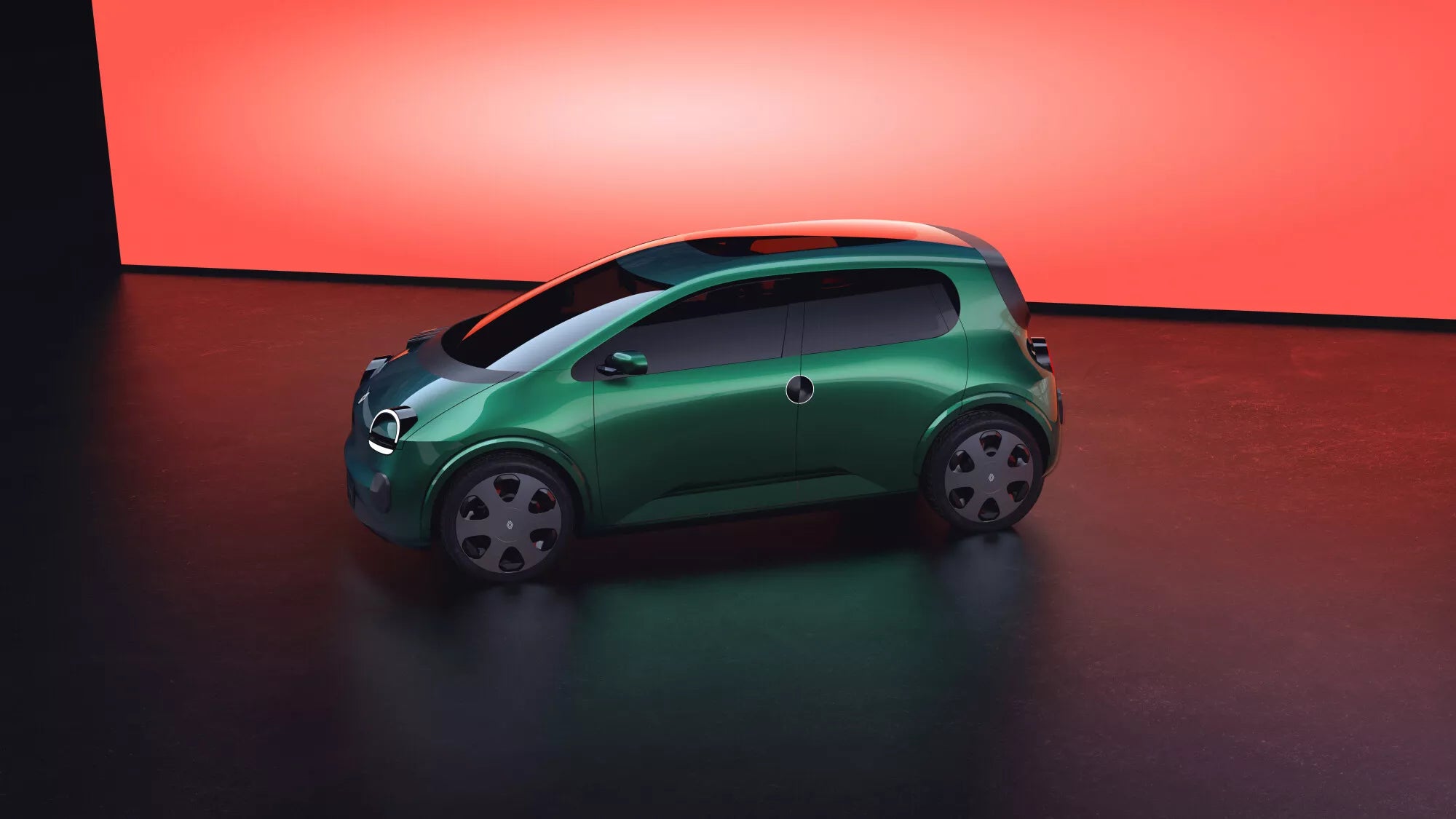
Mit dem kommenden Renault Twingo als kompaktem Stadtauto soll diese Entwicklung fortgesetzt werden. Das Fahrzeug zielt vor allem auf urbane Nutzer, die ein erschwingliches und zugleich charakterstarkes Elektroauto suchen.

Neue Plattform für höhere Reichweiten
Ein zentraler Bestandteil der künftigen Modellpalette ist eine neu entwickelte Fahrzeugarchitektur. Die Plattform mit der Bezeichnung RGEV medium 2.0 basiert auf einer 800-Volt-Technologie und wird in mehreren Fahrzeugklassen eingesetzt.
Diese technische Grundlage soll Reichweiten von bis zu 750 Kilometern (WLTP) ermöglichen. Gleichzeitig wird eine deutlich schnellere Ladeleistung angestrebt: Renault plant, dass sich Batterien künftig innerhalb von etwa 10 Minuten signifikant nachladen lassen.
Darüber hinaus ist die Plattform flexibel ausgelegt. Sie unterstützt sowohl klassische Elektroantriebe als auch EREV-Konzepte, bei denen ein zusätzlicher Generator die Reichweite erweitert. Laut Hersteller könnten solche Fahrzeuge Gesamtreichweiten von bis zu 1.400 Kilometern erreichen.
Unterschiedliche Batteriekonzepte je nach Segment
Renault verfolgt eine differenzierte Batterie-Strategie, die sich an den jeweiligen Fahrzeugklassen orientiert. Modelle in höheren Segmenten sollen mit leistungsstärkeren Zellchemien ausgestattet werden, während günstigere Fahrzeuge auf kosteneffizientere Lösungen setzen.
Für kleinere Fahrzeuge der A- und B-Klasse bleibt hingegen die 400-Volt-Technik relevant. Hier liegt der Fokus auf einem ausgewogenen Verhältnis zwischen Preis und Ladeleistung, wobei innerhalb von rund 20 Minuten eine spürbare Nachladung möglich sein soll.
Auch bei den Zelltypen wird differenziert: Hochwertige Modelle könnten auf NMC-Technologie setzen, während preisgünstigere Varianten voraussichtlich LFP-Batterien erhalten.
Neue Generation von Elektromotoren
Parallel zur Batterietechnik entwickelt Renault eine neue Antriebsgeneration. Die dritte Generation der Elektromotoren basiert auf einem fremderregten Synchronmotor (EESM) und kommt ohne seltene Erden aus.
Die technischen Verbesserungen sind deutlich: Der neue Motor soll eine Effizienz von 93 % bei Autobahntempo erreichen, gleichzeitig 25 % mehr Leistung bieten und dabei 20 % kostengünstiger sein als bisherige Systeme. Mit einer Leistung von rund 275 PS wird er sowohl für Front- als auch Hinterradantrieb eingesetzt werden können.
Wettbewerb mit globalen Herstellern
Mit dieser umfassenden Neuausrichtung reagiert Renault auf den wachsenden Druck internationaler Wettbewerber, insbesondere aus China. Ziel ist es, in den Bereichen Technologie, Kostenstruktur und Entwicklungsgeschwindigkeit aufzuschließen oder sogar vorzulegen.
Ein wesentlicher Hebel ist dabei die Verkürzung der Entwicklungszyklen. Statt der bislang üblichen vier Jahre sollen neue Modelle künftig innerhalb von etwa zwei Jahren zur Marktreife gebracht werden.
Diese Beschleunigung gilt konzernweit für alle neuen Projekte und soll es ermöglichen, schneller auf Marktveränderungen und technologische Trends zu reagieren.

Ausblick auf die kommenden Jahre
Renault positioniert sich mit seiner neuen Strategie klar als Anbieter eines breiten Spektrums elektrifizierter Fahrzeuge. Die Kombination aus neuen Plattformen, effizienteren Antrieben und differenzierten Batterieansätzen soll sowohl im Volumensegment als auch im Premiumbereich Wettbewerbsvorteile schaffen.
Ob diese ambitionierten Ziele erreicht werden, hängt maßgeblich davon ab, wie schnell die neuen Technologien in Serienfahrzeuge überführt werden können und wie sich die Nachfrage in den einzelnen Märkten entwickelt. Fest steht jedoch, dass Elektrifizierung und Flexibilität künftig eine zentrale Rolle in der Produktstrategie spielen werden.
Weitere Lektüre: Renault plant 16 neue Elektroautos in Europa bis 2030


Share:
BYD bringt 1500-kW-Schnelllader nach Europa: Konkurrenz für Ionity
Ford Puma Gen-E: Mehr Reichweite und freihändiges Fahren auf der Autobahn