

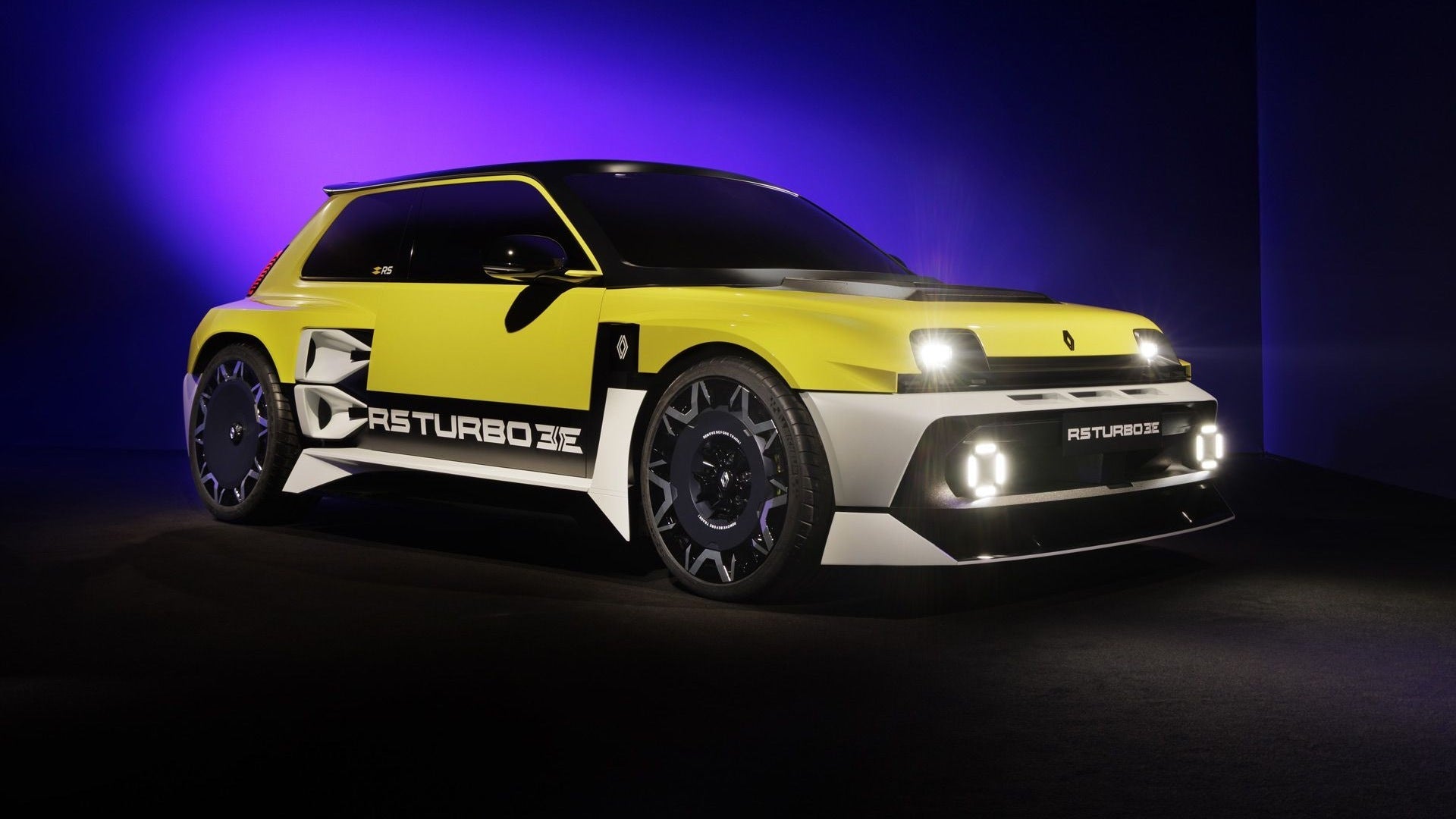
Elektrifizierung als zentraler Bestandteil der neuen Strategie
Der französische Automobilhersteller Renault hat eine neue langfristige Unternehmensstrategie vorgestellt, mit der der Konzern seine Position auf dem globalen Automarkt stärken will. Das Programm mit dem Namen „futuREady“ sieht vor, dass die Gruppe bis zum Jahr 2030 zu einem der wichtigsten europäischen Automobilanbieter auf internationaler Ebene wird.
Ein zentraler Bestandteil dieser Strategie ist der Ausbau der Elektromobilität. In den vergangenen Jahren konnte Renault bereits mit mehreren elektrischen Kleinwagen in Europa beachtliche Verkaufserfolge erzielen. Modelle wie der Renault 5 sowie der neu interpretierte Renault 4 gehörten zuletzt zu den meistverkauften Elektrofahrzeugen in mehreren europäischen Märkten.
Gleichzeitig arbeitet der Hersteller an weiteren kompakten Stromern. Dazu zählt auch der kommende Renault Twingo Electric, der speziell für den Stadtverkehr entwickelt wird. Mit diesem Modell möchte Renault das Angebot im preisgünstigen Segment weiter ausbauen.

Neue Modelloffensive bis zum Ende des Jahrzehnts
Im Rahmen der neuen Strategie plant die Renault Group eine umfangreiche Produktoffensive. Insgesamt sollen in Europa bis zum Ende des Jahrzehnts 22 neue Fahrzeuge auf den Markt kommen. Besonders bemerkenswert ist dabei der hohe Anteil vollelektrischer Modelle.
Nach Unternehmensangaben werden 16 der geplanten Fahrzeuge rein elektrisch sein. Zusätzlich werden die Konzernmarken Dacia und Alpine eine wichtige Rolle in dieser Entwicklung spielen. Drei der kommenden Elektroautos werden unter dem Dacia-Label erscheinen, während Alpine an einer elektrischen Version des bekannten Sportwagens A110 arbeitet.
Auch außerhalb Europas plant der Konzern eine größere Modellpalette. Weltweit sollen bis zum Ende des Jahrzehnts insgesamt 36 neue Fahrzeuge vorgestellt werden. Neben reinen Elektroautos werden darunter auch Hybridfahrzeuge, Range-Extender-Modelle (EREV) sowie weiterhin Fahrzeuge mit klassischen Verbrennungsmotoren sein.
Neue 800-Volt-Plattform für kommende Elektroautos
Ein wichtiger technischer Baustein der zukünftigen Modelle ist eine neue Fahrzeugarchitektur. Renault entwickelt derzeit eine 800-Volt-Plattform, die unter der Bezeichnung RGEV Medium 2.0 eingeführt werden soll.
Diese Architektur ist für Fahrzeuge verschiedener Größenklassen vorgesehen, vom kompakten Segment bis hin zu größeren Mittelklassemodellen. Laut Hersteller könnten Fahrzeuge auf dieser Basis eine Reichweite von bis zu 750 Kilometern nach WLTP erreichen, abhängig von Batteriegröße und Fahrzeugtyp.
Ein weiteres Ziel der Plattform ist eine deutlich verkürzte Ladezeit. Renault arbeitet daran, dass zukünftige Fahrzeuge innerhalb von etwa zehn Minuten eine spürbare Energiemenge nachladen können. Solche Ladezeiten gelten als wichtiger Schritt, um Elektroautos alltagstauglicher für Langstrecken zu machen.
Die ersten Fahrzeuge auf dieser neuen technischen Basis werden voraussichtlich kompakte Elektroautos sein, bevor später größere Modelle folgen.
Range-Extender-Technologie als zusätzliche Option
Neben reinen Elektrofahrzeugen setzt Renault auch auf sogenannte Extended Range Electric Vehicles (EREV). Bei dieser Antriebsform treibt ein Elektromotor weiterhin die Räder an, während ein kleiner Verbrennungsmotor lediglich als Generator zur Stromerzeugung dient.
Diese Technologie soll laut Renault besonders lange Gesamtreichweiten ermöglichen. In Kombination mit der neuen Plattform könnten Fahrzeuge mit Range-Extender theoretisch über 1.400 Kilometer Gesamtreichweite erreichen.
Der Hersteller betont jedoch, dass auch diese Fahrzeuge weiterhin von der schnellen Ladefähigkeit der 800-Volt-Architektur profitieren sollen. Damit will Renault eine Kombination aus großer Reichweite und kurzen Ladezeiten anbieten.
Unterschiedliche Batterietypen für verschiedene Preisklassen
Die zukünftige Modellpalette wird außerdem verschiedene Batterietechnologien nutzen. Renault plant zwei unterschiedliche Ansätze, abhängig von Fahrzeugsegment und Preisniveau.
Hochwertigere Modelle sollen Batterien mit hoher Energiedichte erhalten, die besonders große Reichweiten ermöglichen. Für preisgünstigere Elektroautos wird dagegen eine kosteneffizientere Zellchemie vorgesehen.
Auch wenn der Hersteller keine detaillierten technischen Daten veröffentlicht hat, gehen Branchenbeobachter davon aus, dass teurere Modelle weiterhin auf Nickel-Mangan-Kobalt-Batterien (NMC) setzen könnten. Diese Technologie wird bereits in leistungsstarken Varianten eingesetzt.
Für günstigere Fahrzeuge könnten dagegen Lithium-Eisenphosphat-Batterien (LFP) zum Einsatz kommen. Diese gelten als langlebig, sicher und vergleichsweise preiswert, weshalb sie zunehmend im Einstiegssegment verwendet werden.
Neuer Elektromotor ohne seltene Erden
Ein weiterer Bestandteil der Strategie ist die Entwicklung eines neuen Elektromotors. Renault arbeitet derzeit an der dritten Generation seines EESM-Antriebs, der vollständig ohne seltene Erden auskommen soll.
Nach Angaben des Unternehmens erreicht der neue Motor bei Autobahngeschwindigkeit eine Effizienz von etwa 93 Prozent. Gleichzeitig soll er 25 Prozent mehr Leistung liefern als die aktuelle Generation und dennoch rund 20 Prozent günstiger in der Herstellung sein.
Der Motor wird intern von Renault entwickelt und produziert. Mit einer Leistung von bis zu 275 PS soll er sowohl für Fahrzeuge mit Frontantrieb als auch mit Heckantrieb geeignet sein.
Schnellere Entwicklungszyklen sollen Wettbewerb stärken
Mit der neuen Strategie reagiert Renault auch auf den zunehmenden Wettbewerb durch internationale Hersteller, insbesondere aus China. Viele dieser Unternehmen sind dafür bekannt, neue Fahrzeuge deutlich schneller auf den Markt zu bringen als traditionelle Automobilkonzerne.
Um konkurrenzfähig zu bleiben, will Renault seine Entwicklungsprozesse deutlich beschleunigen. Während bisher oft vier Jahre zwischen der Entwicklung eines neuen Modells und dessen Markteinführung lagen, soll dieser Zeitraum künftig auf etwa zwei Jahre verkürzt werden.
Nach Angaben des Unternehmens werden bereits alle neuen Projekte innerhalb der Renault-Gruppe nach diesem schnelleren Zeitplan geplant.

Ziel: stärkere Rolle im globalen Elektromarkt
Mit der Kombination aus neuen Plattformen, zusätzlichen Modellen und effizienteren Produktionsprozessen möchte Renault seine Position im internationalen Wettbewerb ausbauen. Die Elektromobilität spielt dabei eine zentrale Rolle.
Der Erfolg der bisherigen elektrischen Kleinwagen zeigt, dass der Hersteller bereits eine solide Basis im europäischen Markt besitzt. Mit weiteren Modellen und neuer Technologie will Renault diesen Vorsprung nutzen und gleichzeitig auf neue Marktanforderungen reagieren.
Ob diese Strategie aufgeht, wird sich in den kommenden Jahren zeigen. Fest steht jedoch, dass der Wettbewerb im globalen Markt für Elektrofahrzeuge weiter intensiver wird.
Leseempfehlung: Mazda 6e im Test: Mittelklasse-Elektroauto mit bis zu 480 km Reichweite



Teilen:
Mazda 6e im Test: Mittelklasse-Elektroauto mit bis zu 480 km Reichweite
MG4 EV Urban startet in Österreich unter 20.000 Euro