

Starkes Wachstum bei elektrifizierten Fahrzeugen
Der europäische Markt für elektrifizierte Autos ist mit hoher Dynamik ins Jahr 2026 gestartet. Nach einem außergewöhnlich starken Vorjahr legten sowohl reine Elektrofahrzeuge als auch Plug-in-Hybride deutlich zu.
Besonders auffällig war die Entwicklung bei Plug-in-Hybriden: Mit 101.548 Neuzulassungen im Januar wurde erstmals im ersten Monat eines Jahres die Marke von 100.000 Einheiten überschritten. Das entspricht einem Wachstum von 33,5 % gegenüber dem Vorjahreszeitraum. Im Gegensatz dazu zeigte sich der globale Markt deutlich schwächer, was die Bedeutung Europas unterstreicht.

Marktanteile verschieben sich leicht
Trotz des kräftigen Wachstums bleiben batterieelektrische Fahrzeuge (BEVs) die dominierende Technologie. Im Januar wurden 188.752 BEVs registriert, was einem Plus von 12,7 % entspricht.
Allerdings verändert sich die Gewichtung innerhalb des Marktes. Plug-in-Hybride steigerten ihren Anteil auf 35 %, während BEVs auf 65 % zurückfielen. Insgesamt wuchs der europäische EV-Markt um 19,2 % auf rund 290.300 Fahrzeuge.
Diese Entwicklung zeigt, dass Plug-in-Hybride weiterhin eine wichtige Brückenrolle im Übergang zur vollständigen Elektromobilität spielen.
Chinesische Hersteller setzen sich an die Spitze
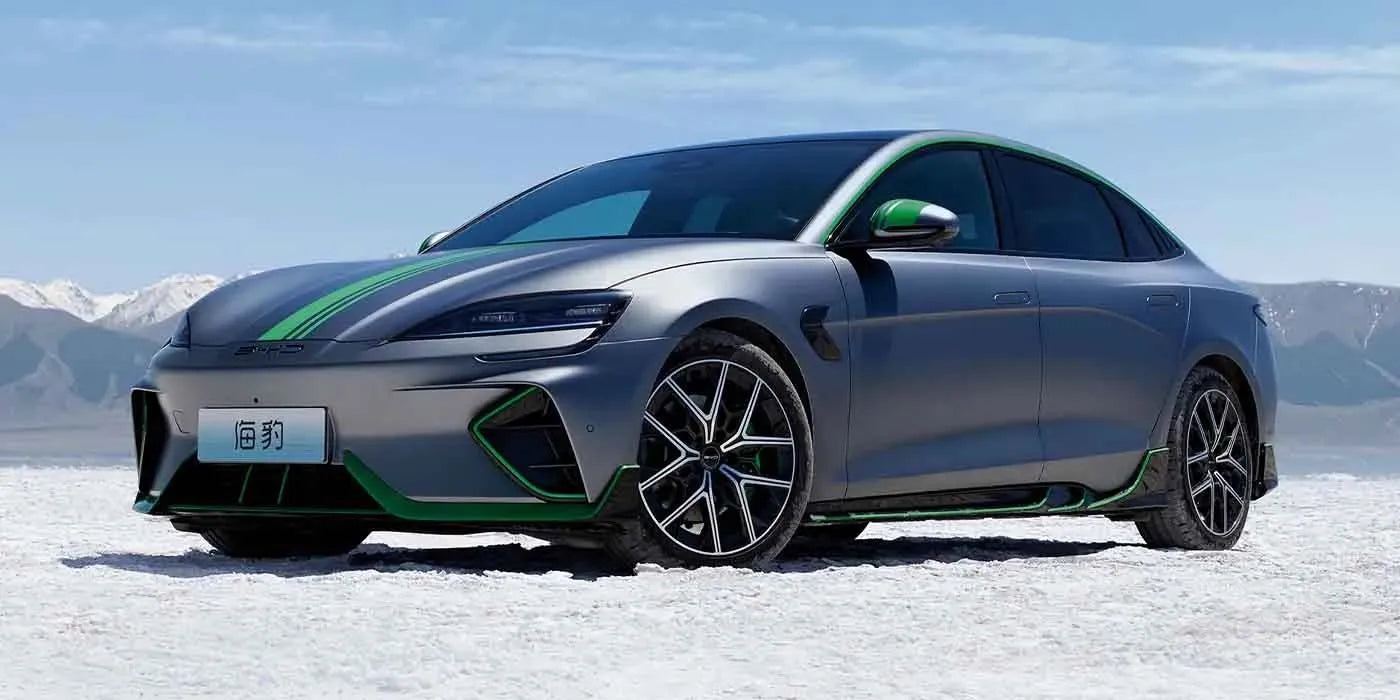
Ein zentraler Trend ist der zunehmende Einfluss chinesischer Marken. Modelle wie der BYD Seal U und der Jaecoo J7 dominierten den europäischen PHEV-Markt zu Jahresbeginn.
Der Seal U führte das Ranking mit 6.713 Einheiten an und konnte seine Verkäufe im Vergleich zum Vorjahr mehr als verdreifachen (+261,9 %). Damit sicherte sich das Modell bereits zum dritten Mal in Folge die Spitzenposition.
Der J7 folgte mit 4.166 Zulassungen und etablierte sich schnell als ernstzunehmender Wettbewerber. Seit seinem Markteintritt hat das Modell kontinuierlich Marktanteile gewonnen und lag im Januar bei 4,1 %.
Europäische Modelle unter Druck
Traditionelle Hersteller aus Europa sehen sich wachsender Konkurrenz ausgesetzt. Der Volvo XC60, der ein Jahr zuvor noch führend war, verzeichnete einen Rückgang um 26,4 % auf 3.619 Einheiten.
Auch der Volkswagen Tiguan konnte seine Position nicht halten. Die Verkäufe gingen leicht zurück, während der Marktanteil spürbar sank.
Ein positives Beispiel innerhalb Europas ist der Mercedes-Benz GLC, der mit einem Zuwachs von 75,9 % auf 3.475 Fahrzeuge deutlich zulegen konnte. Dennoch reicht dies bislang nicht aus, um die Spitzenplätze zurückzuerobern.
Wettbewerb nimmt weiter zu
Auch im Mittelfeld zeigt sich ein ähnliches Bild. Modelle wie der Ford Kuga und der Hyundai Tucson steigerten zwar ihre Verkaufszahlen, verloren jedoch Marktanteile.
Beim Toyota C-HR blieben die Stückzahlen nahezu stabil, dennoch schrumpfte der Anteil am Gesamtmarkt. Gleichzeitig konnten Fahrzeuge wie der BMW X3 deutlich wachsen und ihre Position verbessern.
Eine Besonderheit stellt der Volkswagen Golf dar, der als einziges Nicht-SUV-Modell unter den Top 10 vertreten ist. Dies verdeutlicht, wie stark SUV-Modelle den Markt dominieren.
Elektroautos: Vielfalt, aber SUV dominieren weiterhin
Im Segment der rein elektrischen Fahrzeuge zeigt sich ein etwas breiteres Spektrum an Fahrzeugtypen. Dennoch führt auch hier ein SUV die Rangliste an: der Skoda Elroq mit 8.146 Verkäufen.
Knapp dahinter folgt eine Kombination aus Renault 5 und Alpine A290, die gemeinsam auf 8.101 Einheiten kommen und ein starkes Wachstum verzeichnen.
Der Tesla Model Y belegte mit 7.130 Fahrzeugen den dritten Platz und bestätigte seine stabile Nachfrage in Europa.
Herausforderungen für deutsche Hersteller
Mehrere Modelle deutscher Marken hatten einen schwierigen Start ins Jahr. Der Skoda Enyaq verlor deutlich an Volumen, während der Volkswagen ID.3 nahezu stagnierte.
Noch stärker betroffen waren andere Modelle der ID-Reihe. Sowohl der Volkswagen ID.7 als auch der Volkswagen ID.4 mussten erhebliche Rückgänge hinnehmen.
Auch Premiumhersteller standen unter Druck: Der BMW iX1 und der Audi Q4 e-tron verzeichneten sinkende Verkaufszahlen und Marktanteile.

Fazit: Wettbewerb verschärft sich spürbar
Die aktuellen Zahlen zeigen eine klare Entwicklung: Der europäische Markt für elektrifizierte Fahrzeuge wächst weiter, wird aber zunehmend umkämpft.
Insbesondere chinesische Hersteller gewinnen an Bedeutung und setzen etablierte Marken unter Druck. Gleichzeitig verschieben sich Marktanteile innerhalb der Antriebstechnologien, wobei Plug-in-Hybride kurzfristig an Bedeutung gewinnen.
Für Hersteller bedeutet dies, dass Innovation, Preisgestaltung und Modellstrategie entscheidend bleiben werden, um sich in einem immer dynamischeren Umfeld zu behaupten.
Weitere Lektüre: Zeekr Flottenfahrzeuge Deutschland: Preise, Modelle und Service erklärt



Teilen:
Deutschland erhält EU-Mittel für E-Auto-Förderung erklärt
BYD bringt 1500-kW-Schnelllader nach Europa: Konkurrenz für Ionity