

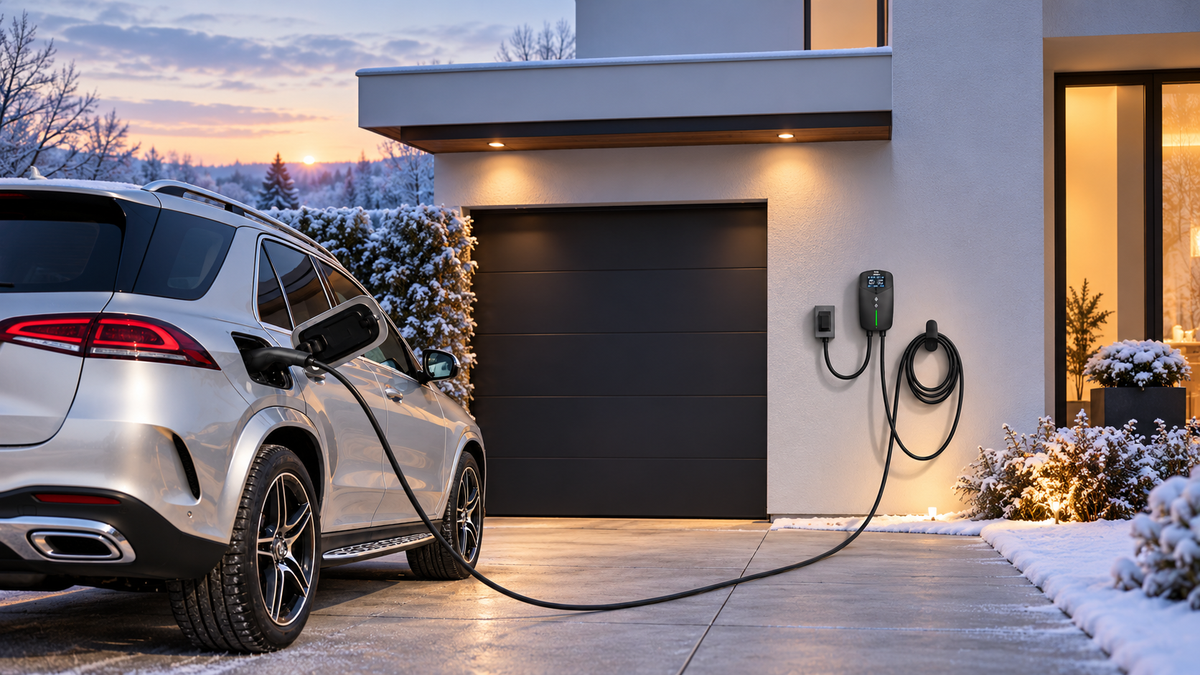
A dark morning, a cold driveway and a battery that needs to be ready before work: winter makes a dependable home charging routine especially useful.
Preparing for winter starts with checking the equipment you already use and allowing enough time to charge. Always follow your vehicle and charger manuals, including their temperature limits and outdoor-use requirements.
This guide focuses on everyday AC charging at home, using a suitable portable EV charger or wallbox.
Quick Checklist for Winter Home Charging
- Plan around tomorrow’s journey and allow a reasonable reserve.
- Check that vehicle and charger schedules work together.
- Use supported preconditioning according to your vehicle manual.
- Inspect cables, connectors and the supply connection before use.
- Keep connections away from standing water and cables clear of wheels.
1. Start with Tomorrow’s Journey
Before plugging in, consider how far you need to drive the next day. Include the return journey and a reasonable margin for diversions or delays.
Use your vehicle manufacturer’s recommended charge limit as your starting point. There is no single daily target that suits every battery or every journey.
If you have a longer trip planned, review your charging needs when you arrive home. Checking early gives you more time to adjust the charging window if necessary.
2. Give Your Charging Window Enough Time
An overnight electricity tariff can help you manage charging costs, but the available window still needs to be long enough to deliver the energy you need.
Check these settings together:
- The charging schedule in your vehicle.
- Any schedule or delayed start set on the charger.
- Your vehicle’s charge limit and departure settings.
Keep the setup simple. Conflicting timers can make it difficult to understand why a charging session did not begin.
If charging starts later than expected, review both schedules before changing the equipment.
For more detail, read our guide to EV charging schedules and delayed starts .
3. Use Preconditioning Where Your Car Supports It
Some electric vehicles can heat the cabin or prepare the battery before departure. The US Department of Energy recommends using supported preconditioning while plugged in to help prepare the vehicle for cold-weather driving.
Check what your car’s feature actually does. Cabin heating, battery heating and battery preparation for a public fast charger may be separate functions, with different settings.
Follow your vehicle manual rather than assuming that every departure timer includes battery heating.
4. Check Your Outdoor Charging Setup

Before charging, inspect the cable, connector and supply connection. Look for visible damage, trapped debris, discolouration or other signs of overheating. Do not use damaged equipment.
For outdoor charging, confirm that the complete setup is suitable for the conditions. A protection rating on a charger housing does not automatically describe an exposed household socket or an unplugged connector.
- Keep cables clear of vehicle wheels and busy walkways.
- Avoid placing connections where water collects.
- Use the intended connector holder or protective cap as instructed.
- Keep the cable free from doors, sharp edges and other pinch points.
If a connector or charge-port mechanism is frozen, do not force it or pour hot water over it. Follow the vehicle or charger manufacturer’s instructions.
5. Pay Attention to the Supply Connection
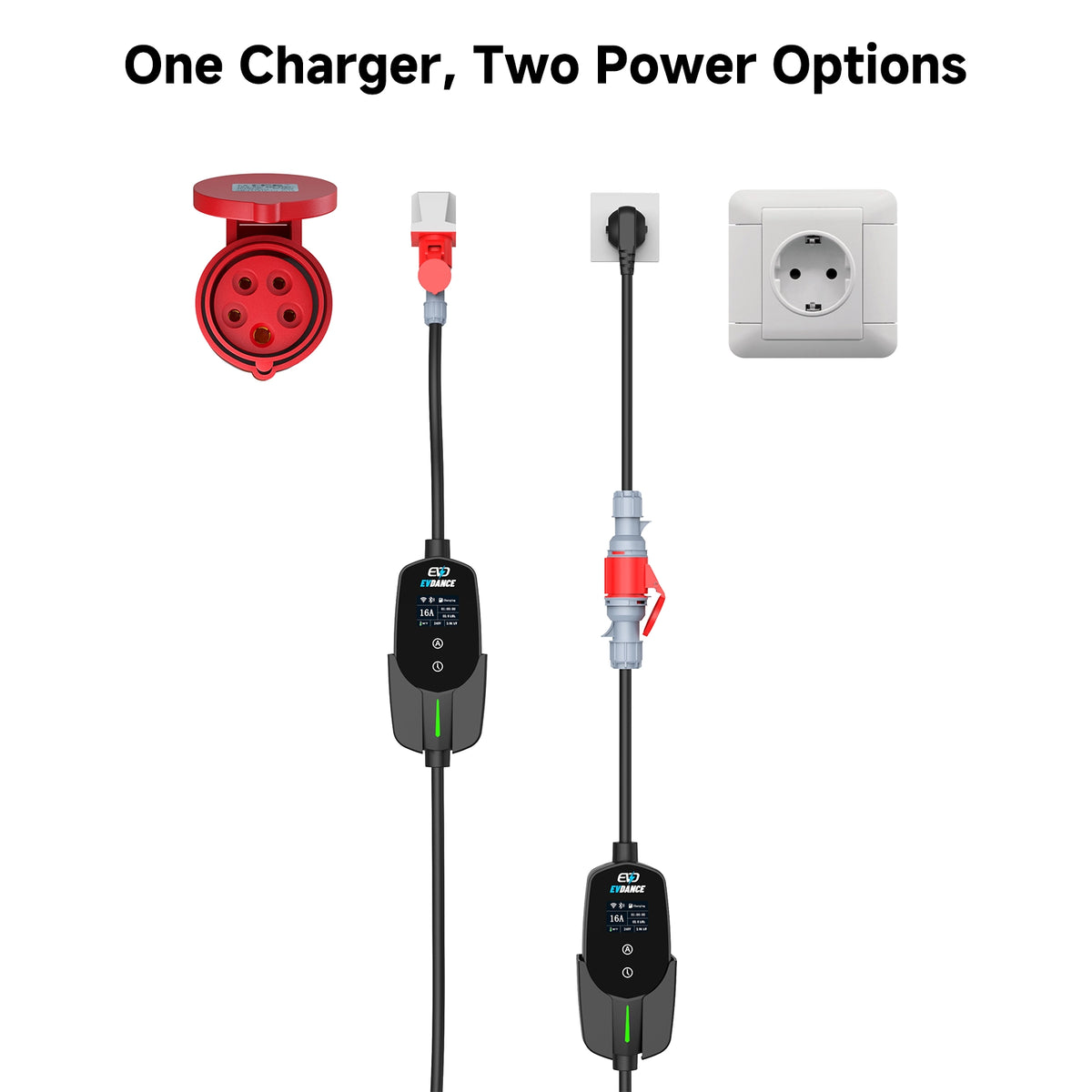
When using a portable charger, the electrical supply connection deserves as much attention as the charging unit itself.
Use a suitable installation and follow local requirements. If you are unsure whether a socket or circuit is suitable for EV charging, ask a qualified electrician to assess it.
Do not increase the charging current simply because a session added less energy than expected. First check the charging duration, vehicle settings and any error messages. A higher current setting cannot correct an unsuitable electrical connection.
Choose a cable length that reaches your parking position without pulling on either connector. Position the cable and any portable charger control unit according to the product instructions.
6. What to Check If Your Car Is Not Ready in the Morning

If the battery has not reached the level you expected, work through these questions:
- Did the charging session actually start?
- Did the vehicle reach its configured charge limit?
- Did a vehicle or charger schedule end the session early?
- Is there an error message in the car or on the charger?
- Was the charging window long enough for the energy you needed?
Record any error message before restarting the session. If you notice a burning smell, damaged parts or signs of overheating, stop using the equipment and arrange an assessment.
For more troubleshooting tips, read Why Is My Electric Car Charging So Slowly at Home? 7 Common Reasons .
Frequently Asked Questions
Do I need a different EV charger for winter?
Not automatically. Check whether your existing equipment and electrical installation meet the manufacturer’s requirements for the conditions where you use them. A change of season alone does not mean you need a replacement.
Can I leave my electric car charging overnight?
Follow your vehicle and charger instructions. Overnight charging requires suitable equipment, a suitable electrical installation and an appropriate charging setup. It does not make an unsuitable socket safe.
Should I always charge to 100% in winter?
Follow your vehicle manufacturer’s battery guidance and plan around your journey. The appropriate charging target depends on the vehicle, battery and distance you need to travel.
What should I check before buying a home charger?
Check your vehicle’s AC charging capability, your electrical supply, installation requirements and the distance to your parking space. Compare these needs with the specifications of the exact charger model.
Build a Charging Routine That Fits Your Home
A useful winter charging routine is easy to repeat: review tomorrow’s journey, check the equipment, confirm the schedule and check the result before departure.
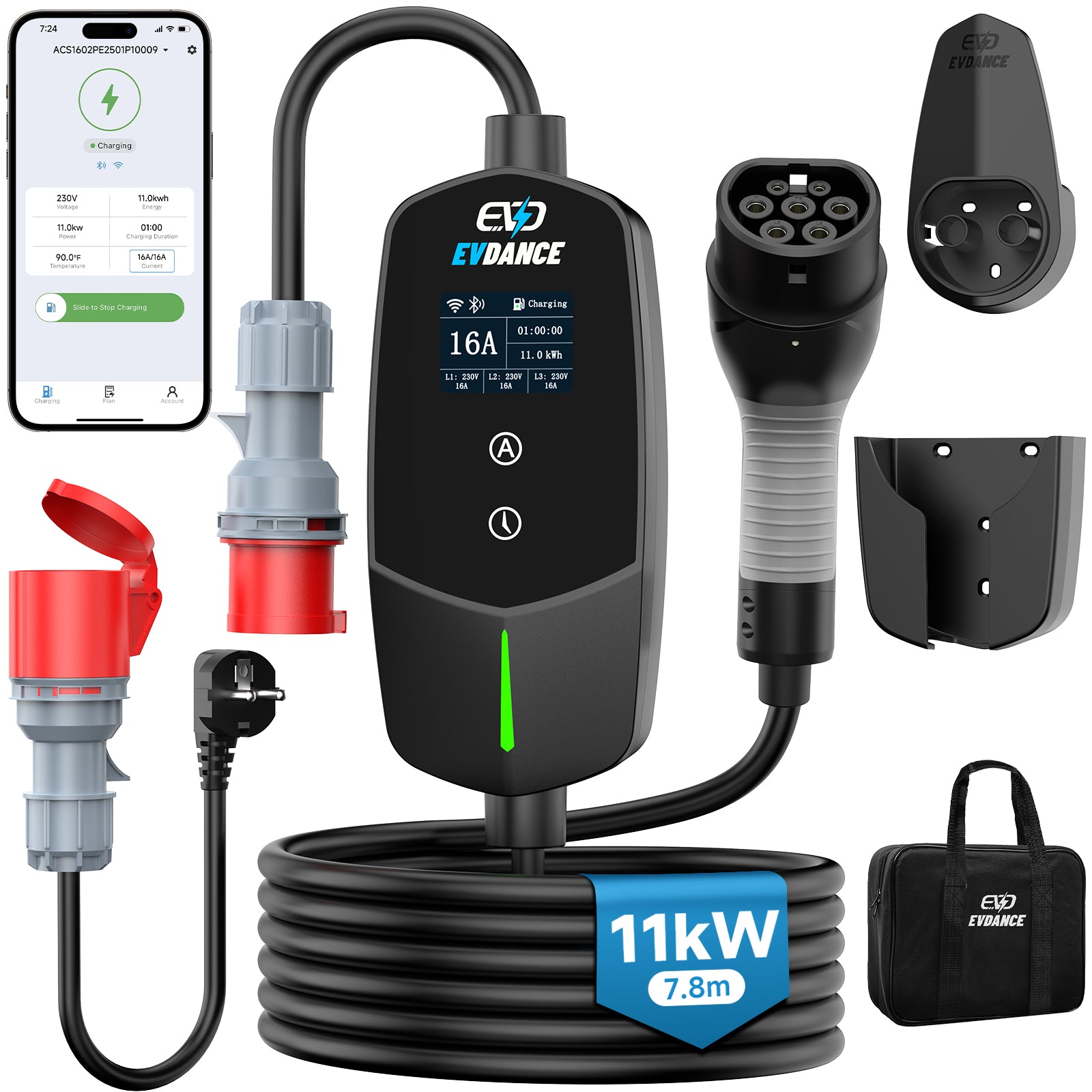
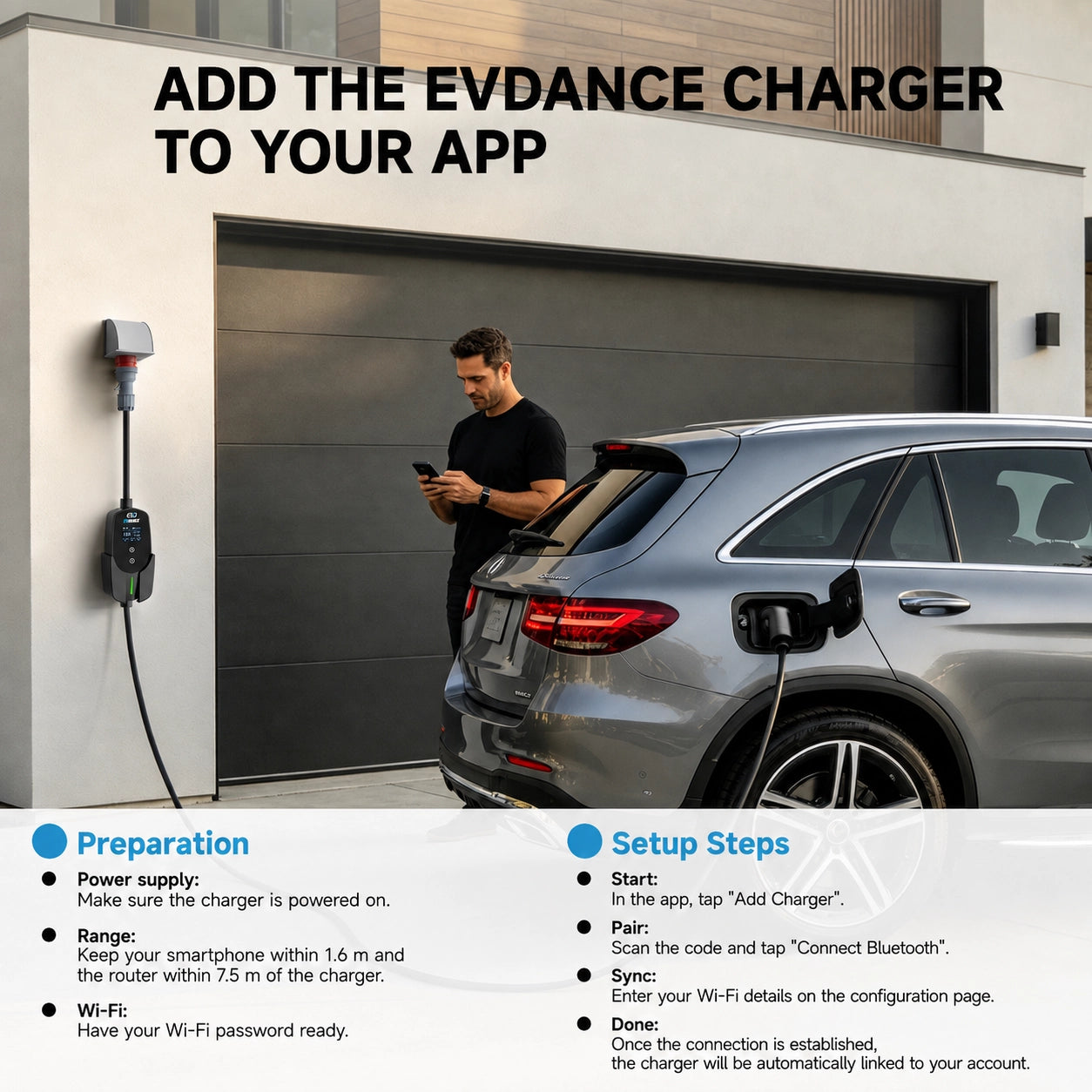
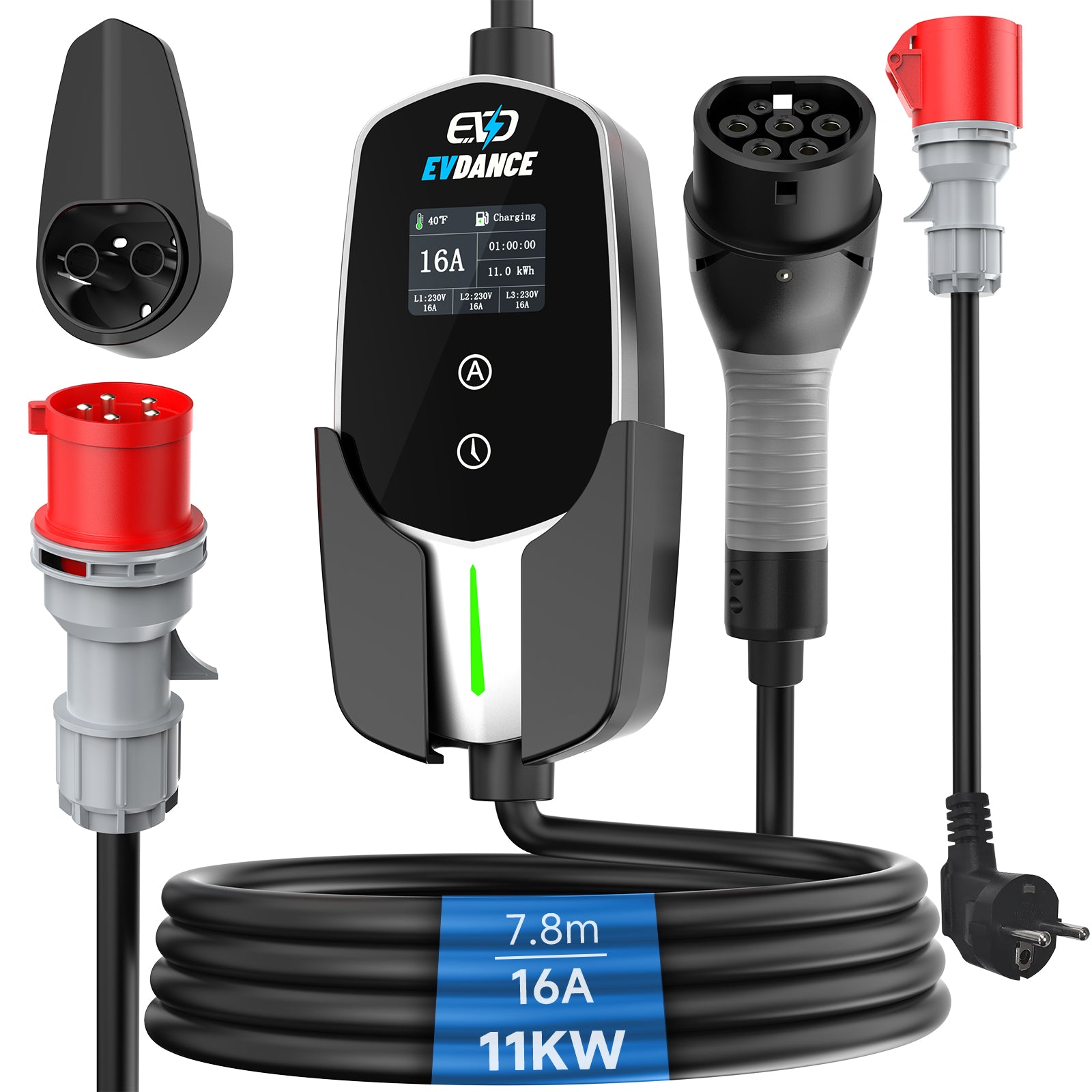
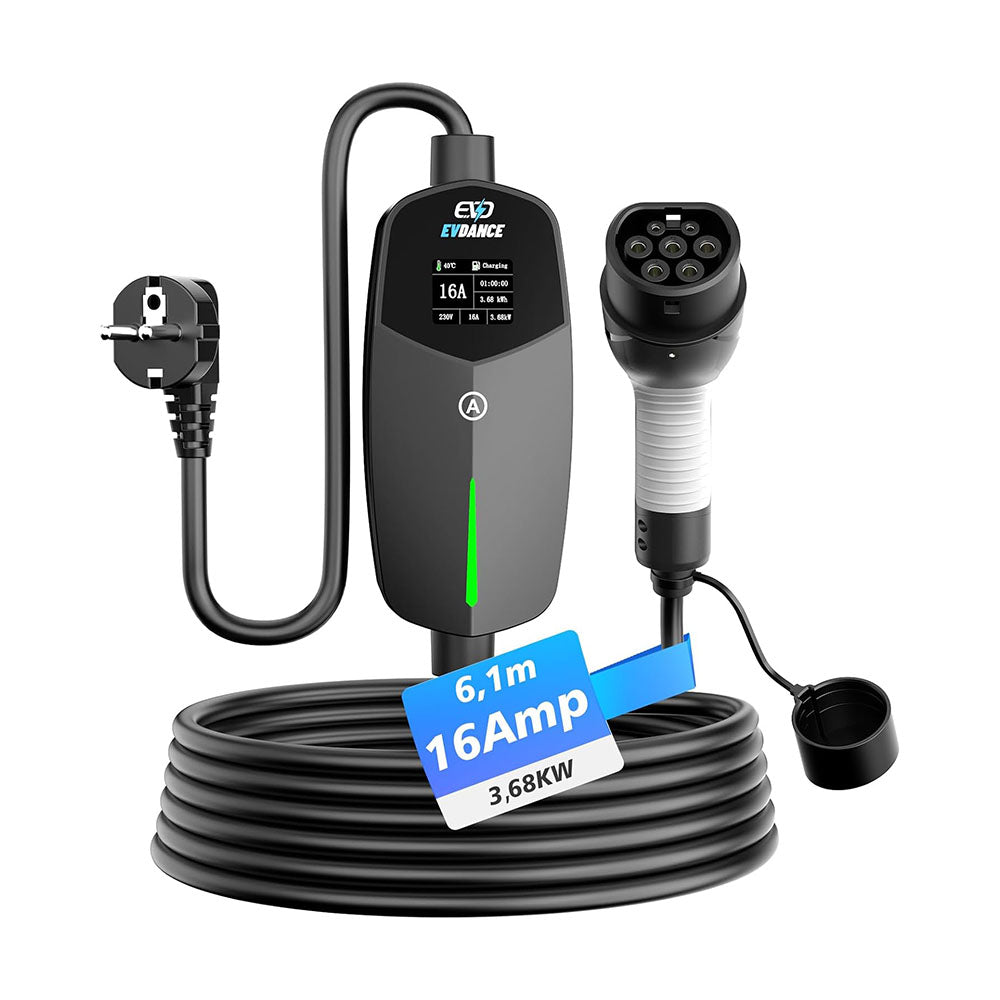
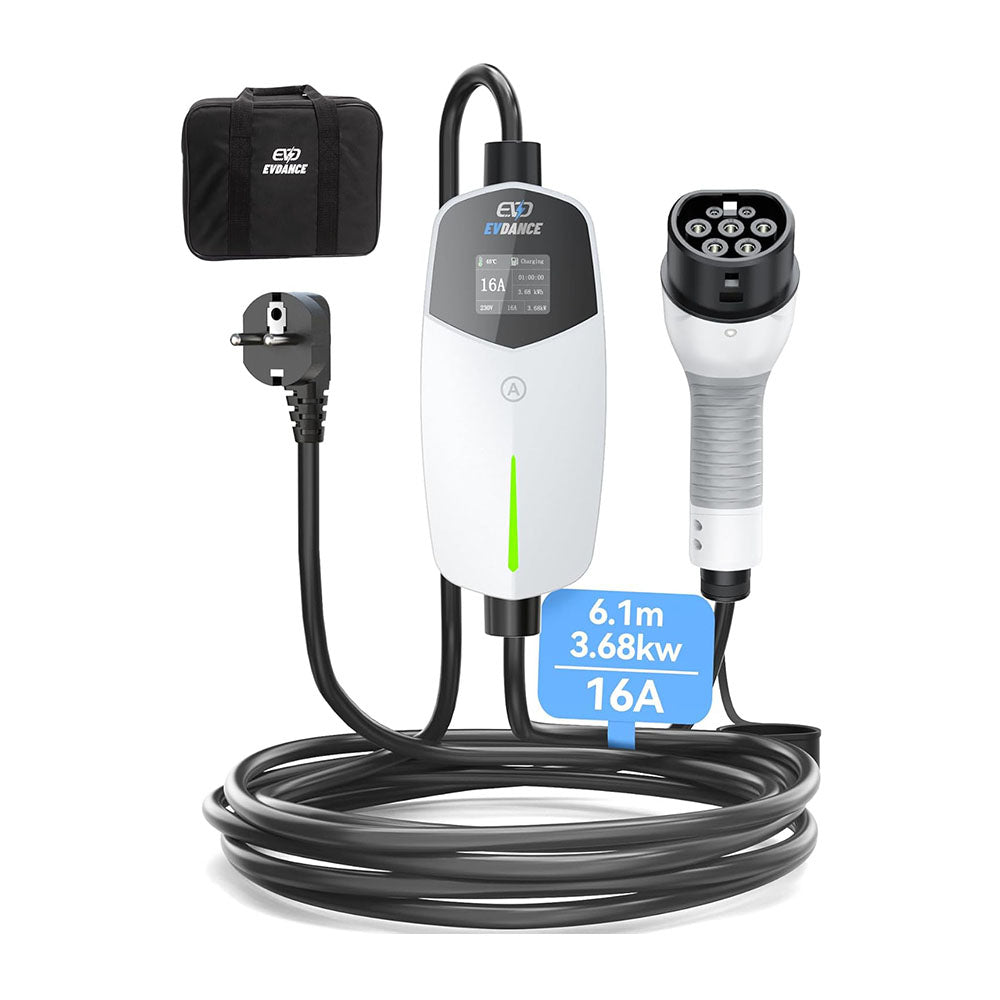
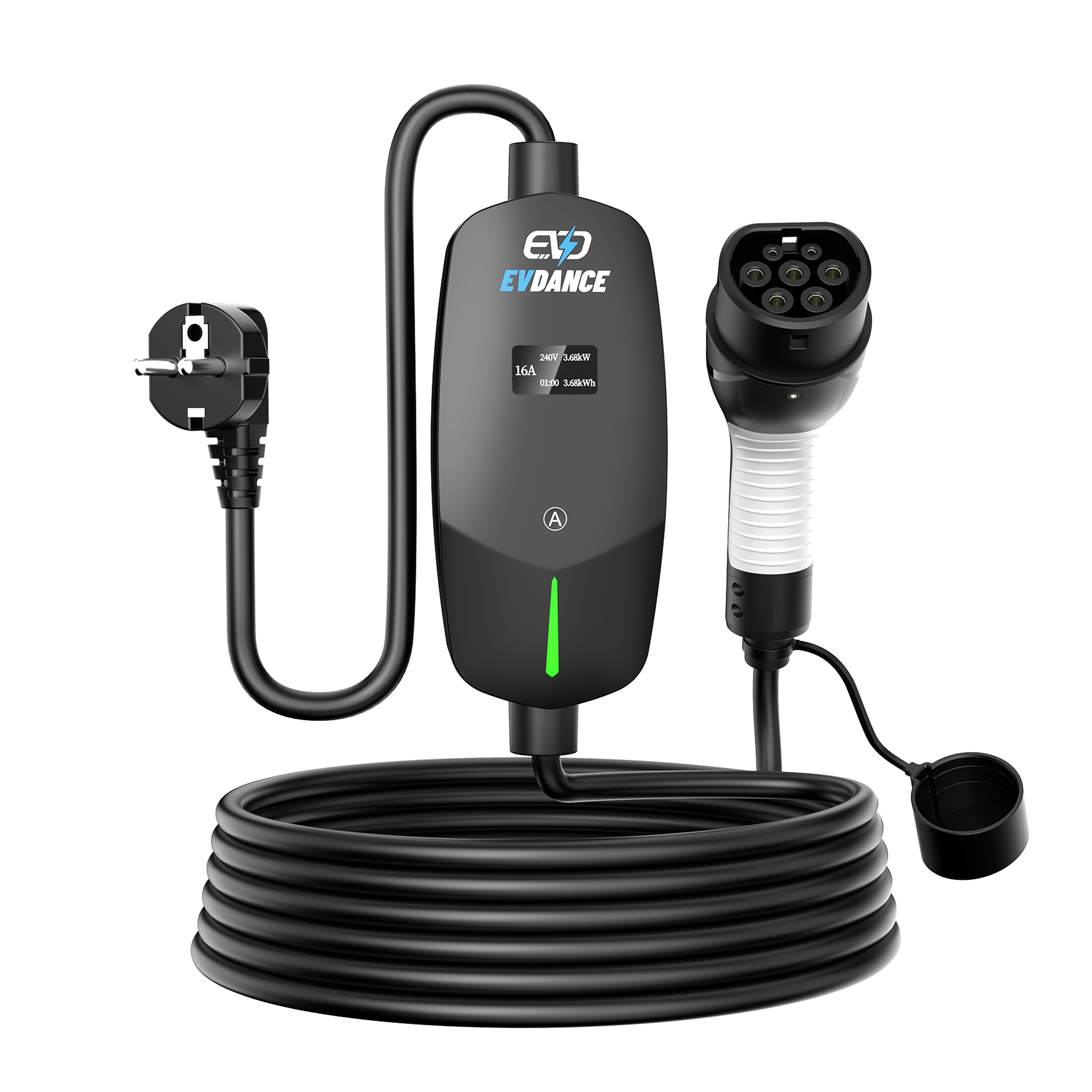
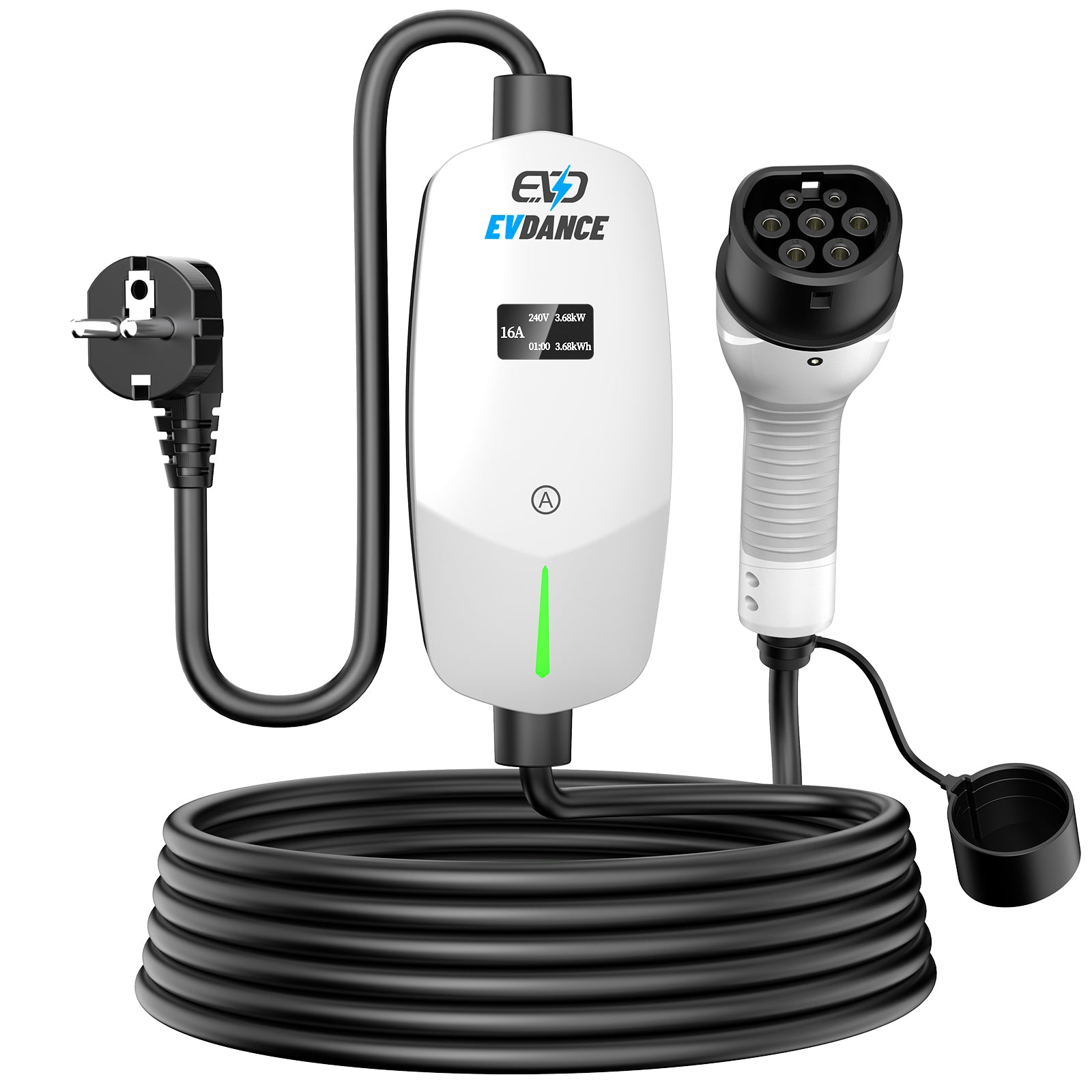
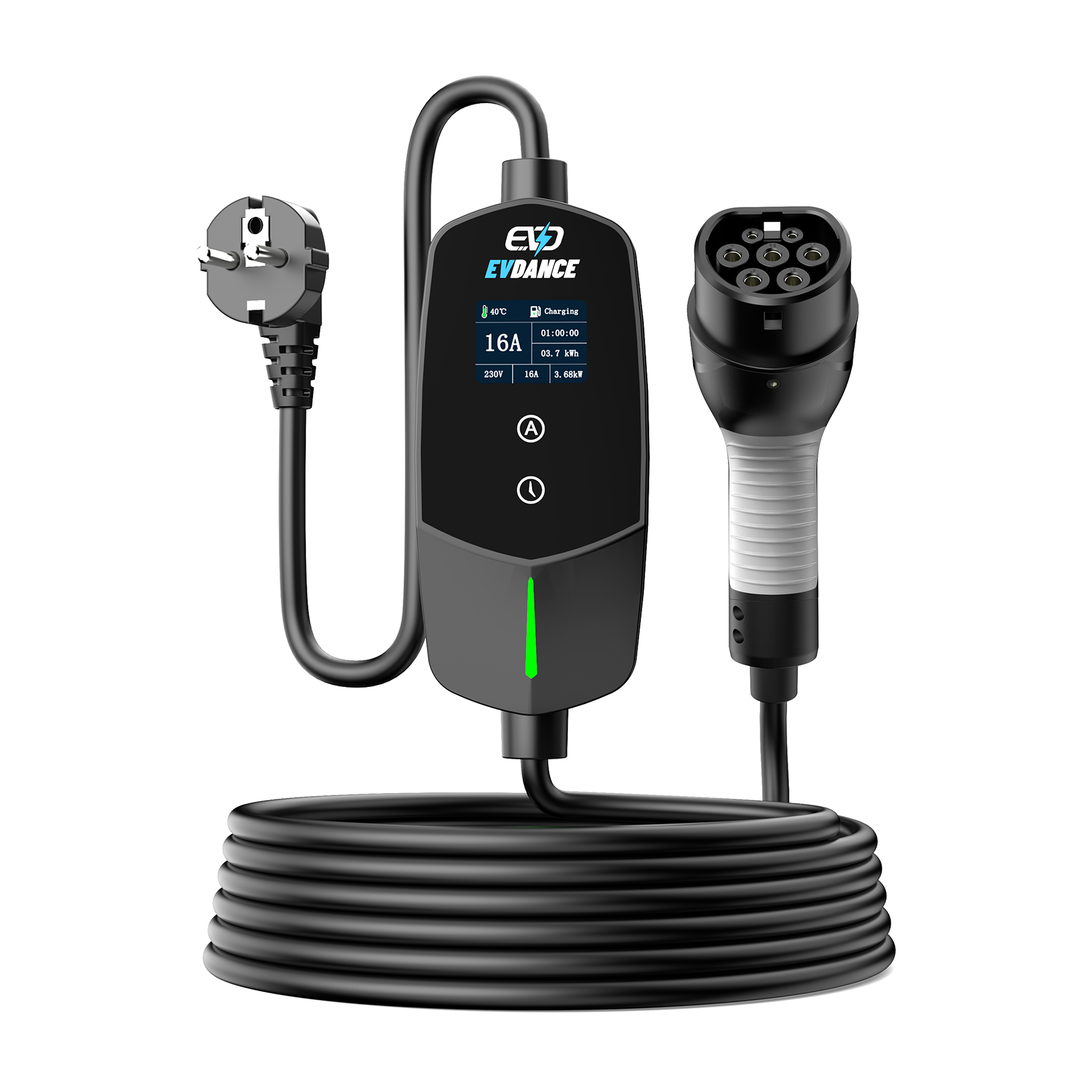
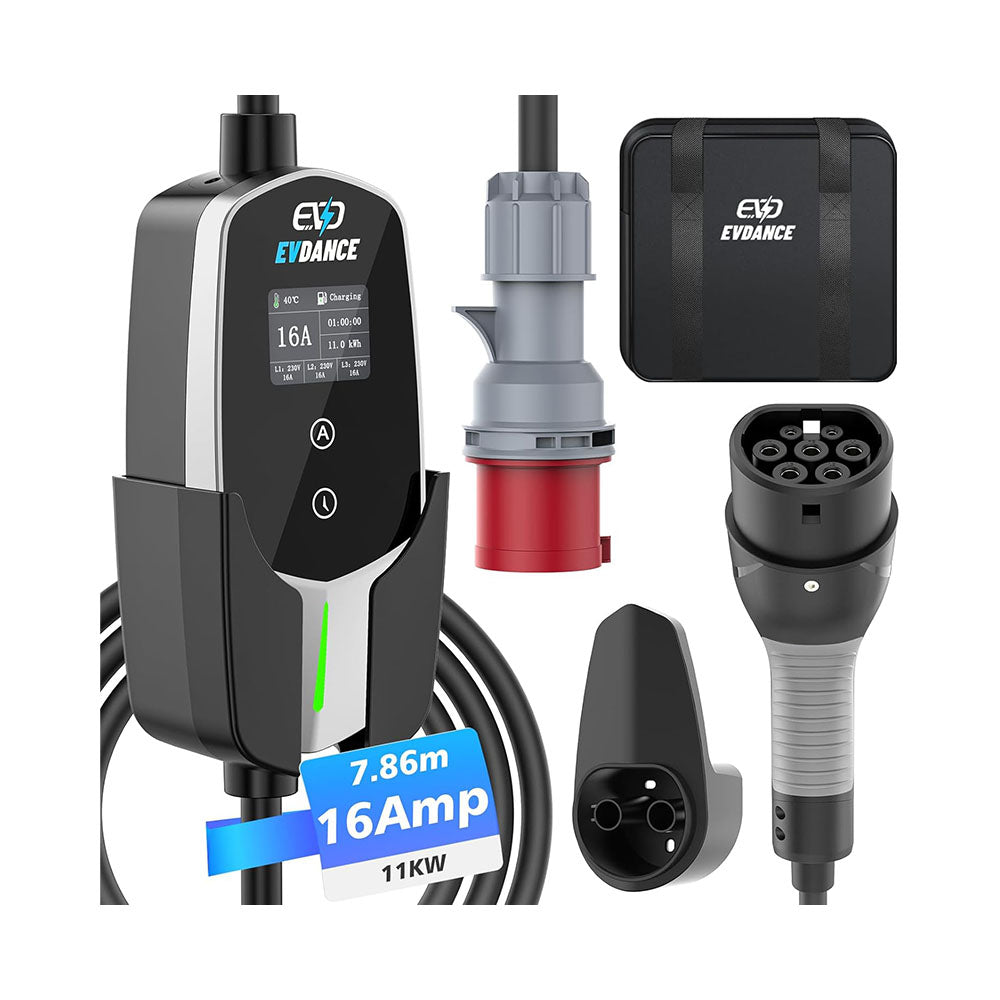
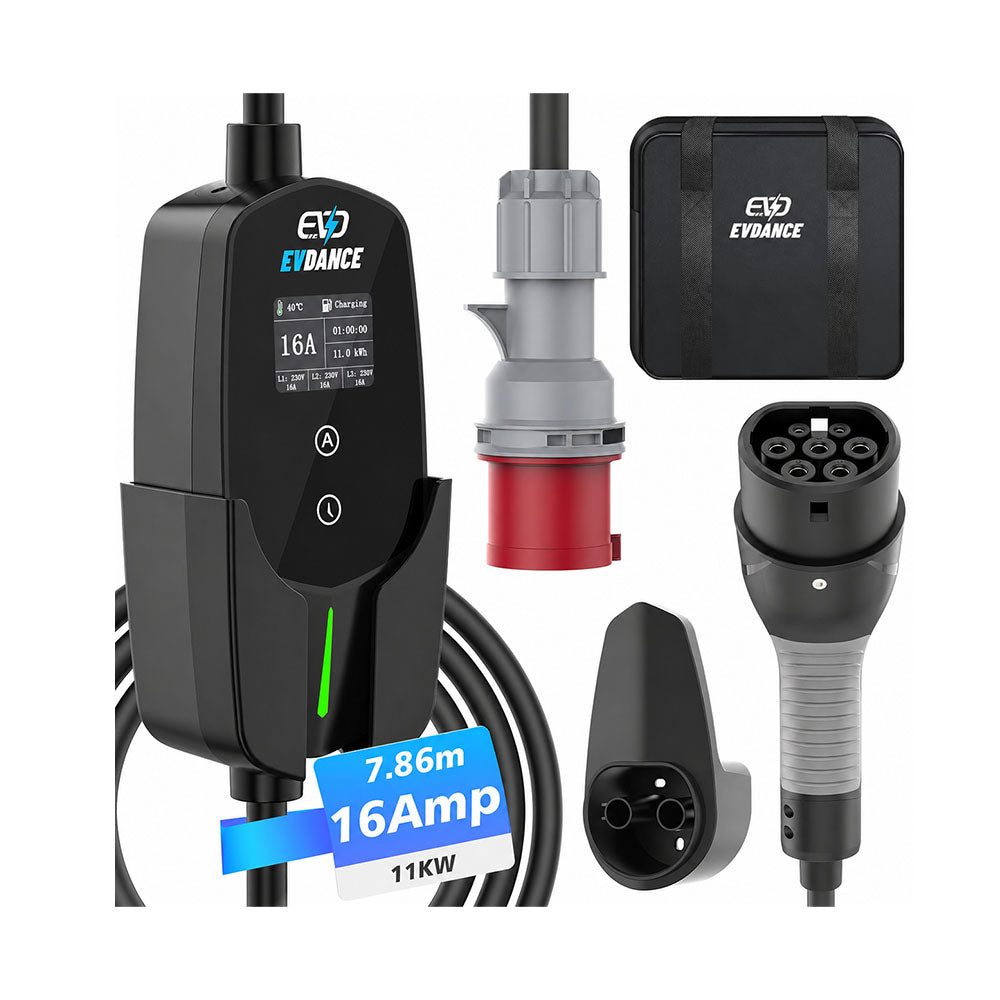
Explore EVDANCE portable EV chargers and wallboxes , and compare each model’s connection, installation requirements and cable length with your home setup.






Share:
What Does a Portable EV Charger Display Show?
Will Home EV Charging Resume After a Power Outage?