

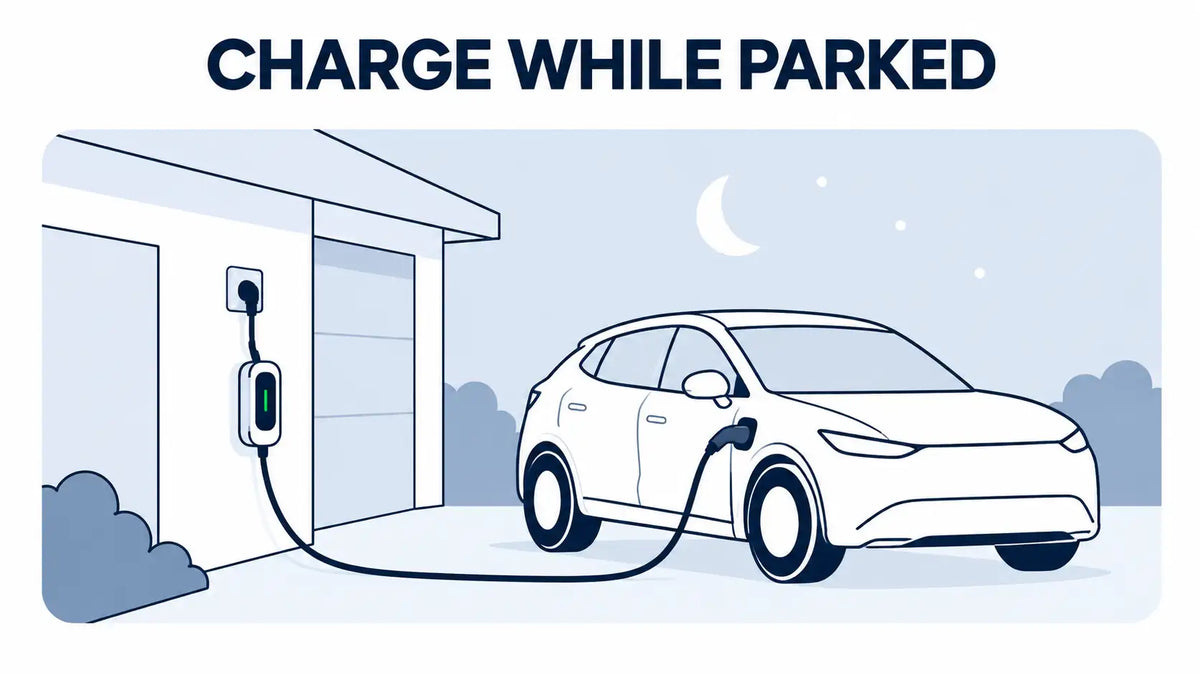
The right charger for a plug-in hybrid depends on the vehicle’s charging inlet, maximum AC charging power and the electrical connection available at the usual parking space. Many PHEVs can be charged overnight with a lower-power AC solution, so the most powerful charger is not always necessary.
Start with the Vehicle’s AC Charging Limit
Check the vehicle specification before choosing a charger. The most important details are:
-
charging-inlet type
-
maximum AC charging power
-
single-phase or three-phase support
-
usable battery capacity
Most current European plug-in hybrids use a Type 2 charging inlet, although compatibility should always be confirmed for the specific model.
The vehicle’s onboard charger determines how much AC power it can accept. If a PHEV supports a maximum of 3.7 kW, connecting it to an 11 kW wallbox will not make it charge at 11 kW.
The vehicle will charge only at the highest power supported by the complete setup.

A PHEV Does Not Always Need a High-Power Charger
A plug-in hybrid usually has a smaller traction battery than a fully electric vehicle. This means that a lower charging power may still be sufficient when the vehicle remains parked for several hours.
For example, adding approximately 10 kWh of energy at 3.7 kW takes more than three hours. The actual time will be slightly longer because charging is not completely loss-free.
A faster charger becomes more useful when the PHEV supports a higher AC input and needs to be recharged between several journeys on the same day. If it is normally connected overnight, charging time may be less important than convenience and compatibility.
Choose the charging power according to the vehicle and daily schedule, not simply according to the highest available rating.
Match the Charger to the Available Connection
Different charging locations require different equipment.
| Charging location | Suitable equipment | Main point to check |
|---|---|---|
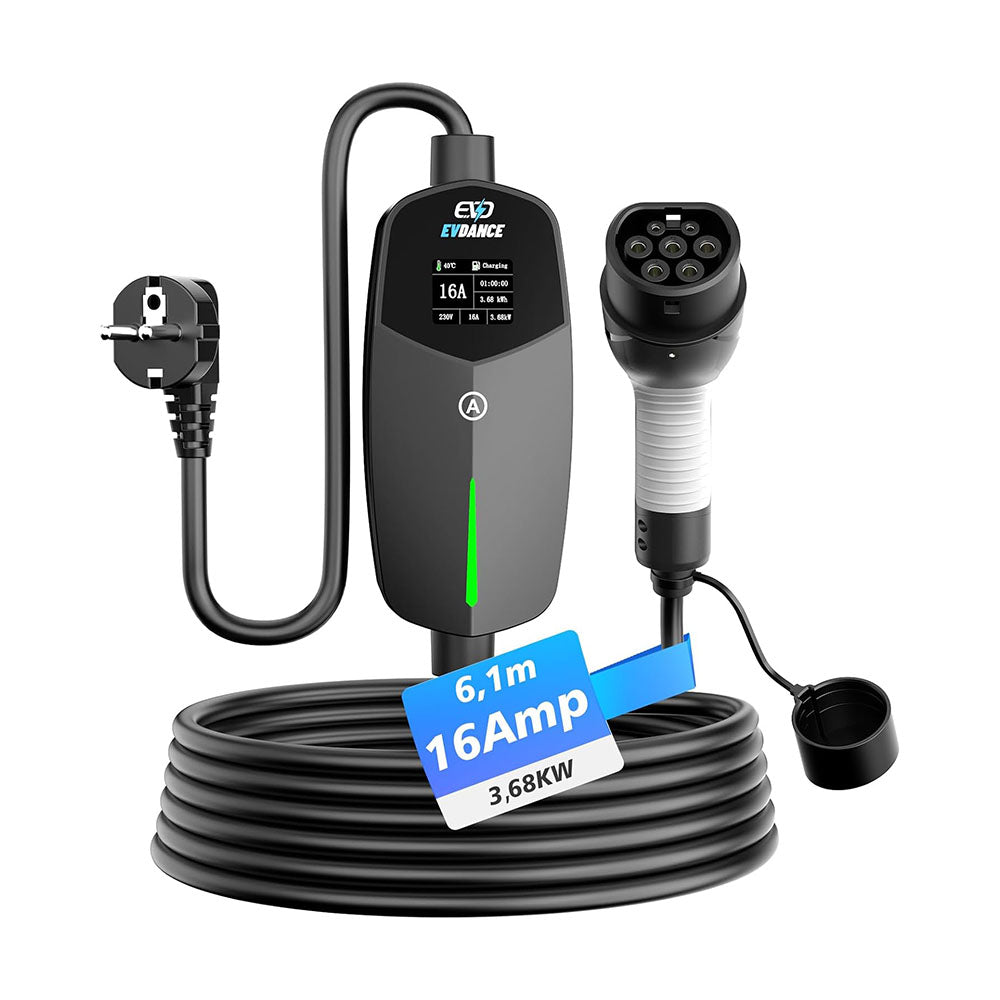
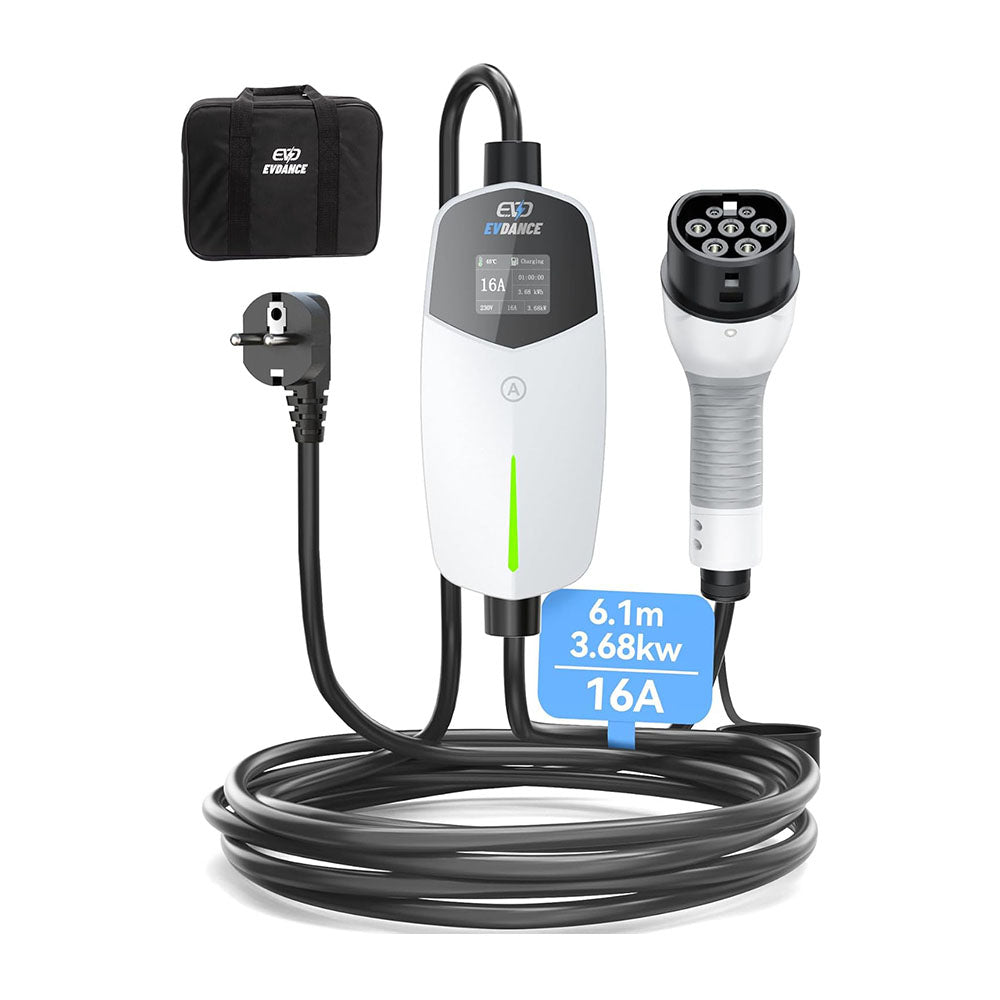
| Suitable Schuko socket | Portable EV charger with Schuko plug | Socket and circuit suitability |
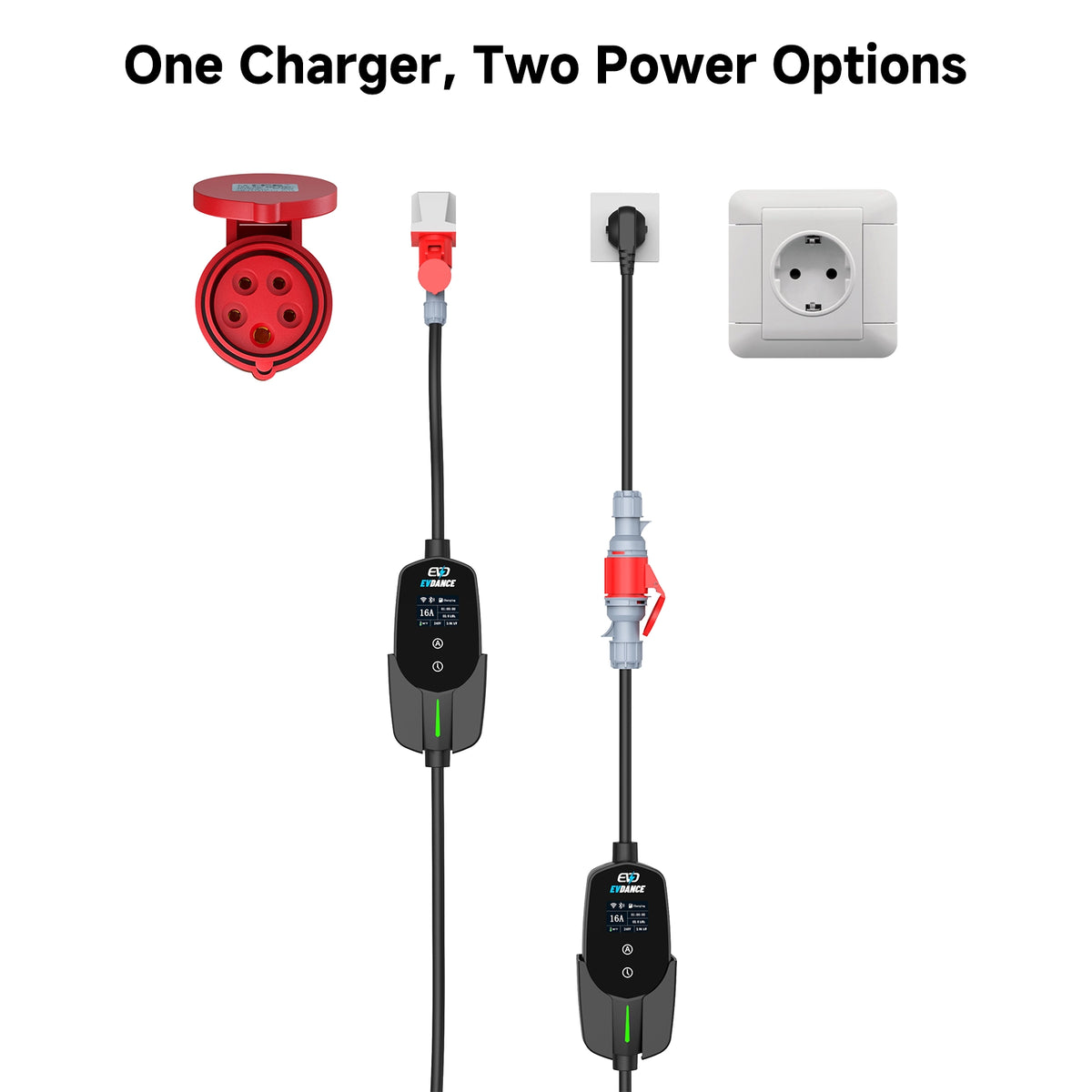
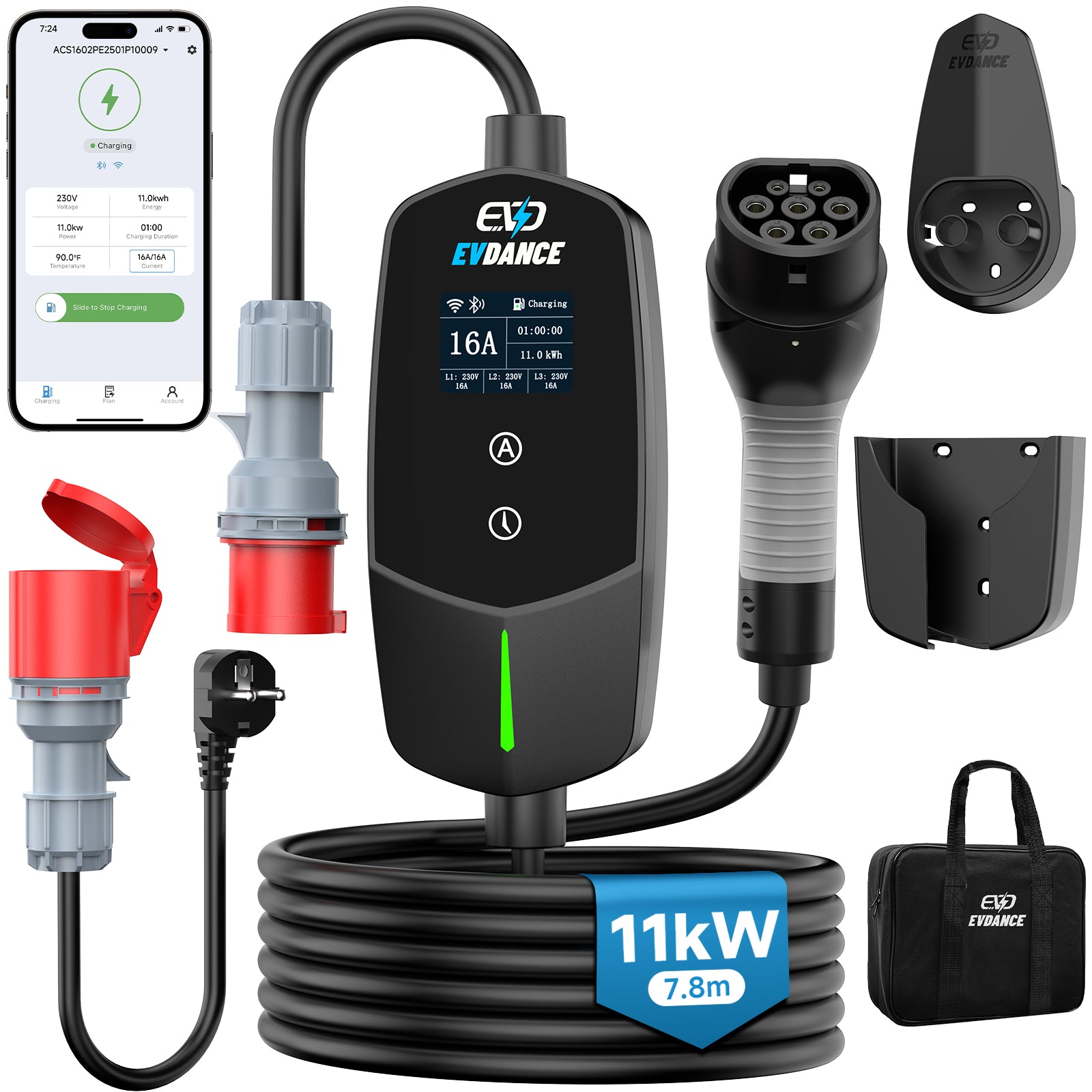
| Compatible CEE socket | Mobile wallbox with the correct CEE plug | Voltage, current and number of phases |
| Regular private parking space | Fixed wallbox | Installation and vehicle AC limit |
| Untethered public AC station | Type 2-to-Type 2 charging cable | Vehicle inlet and cable rating |
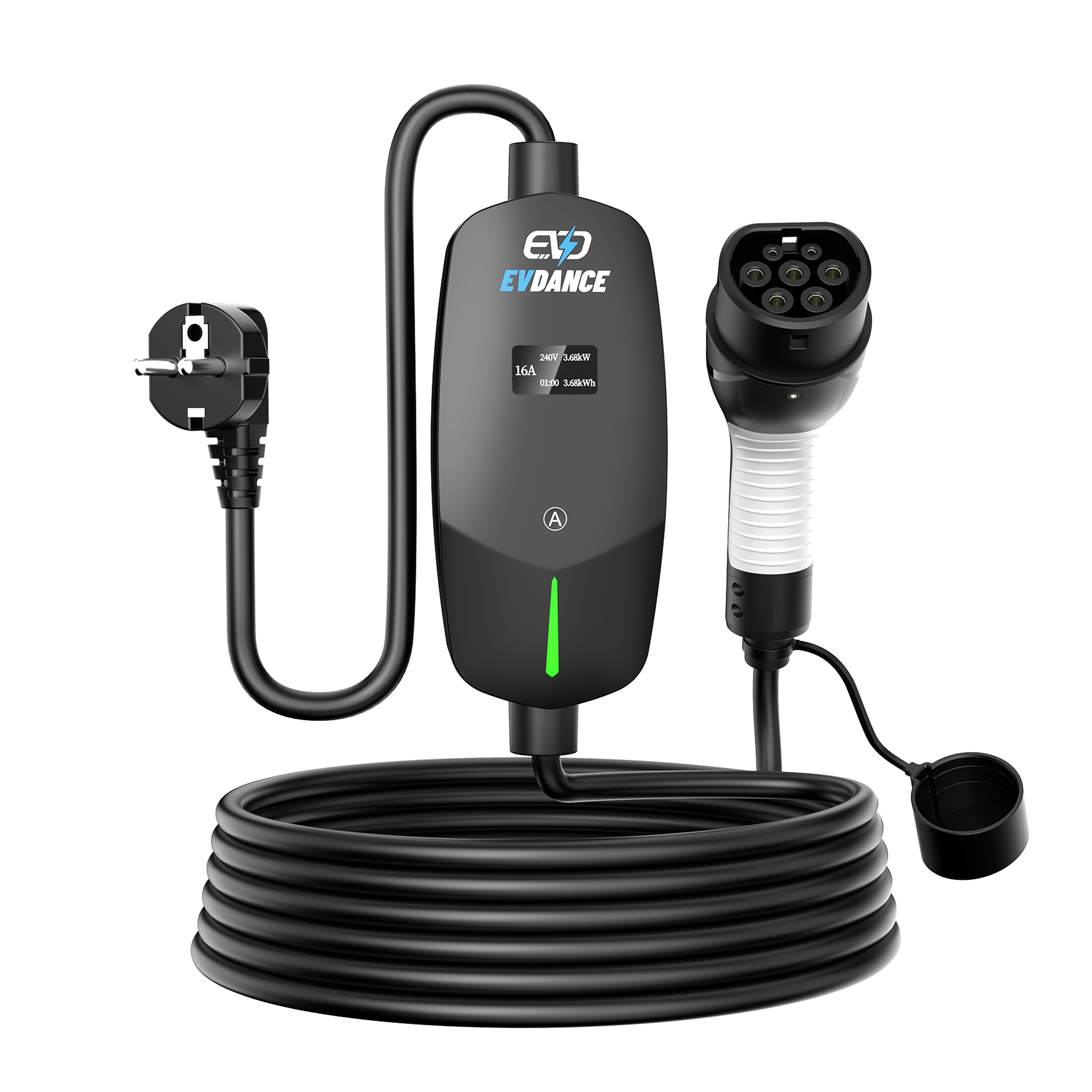
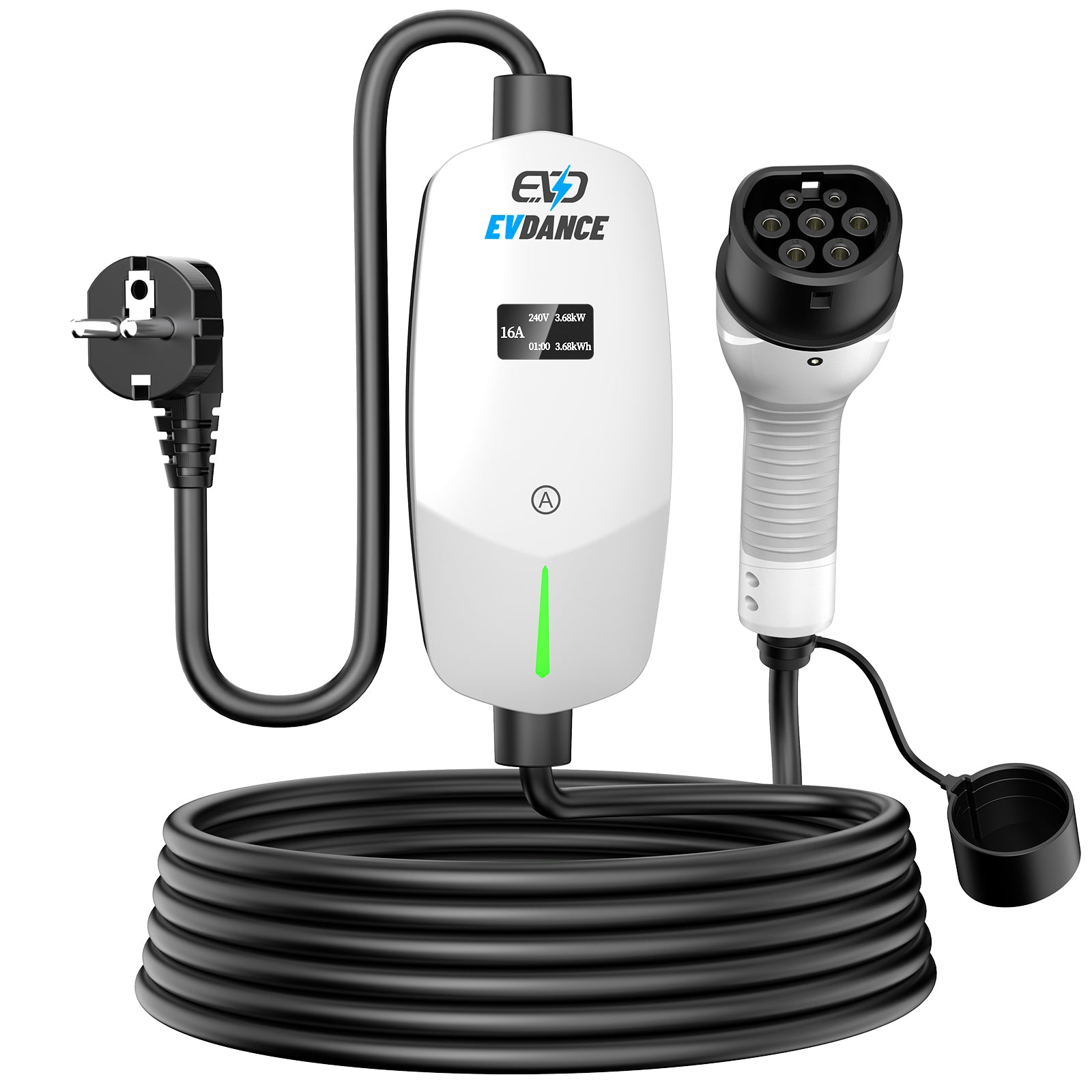
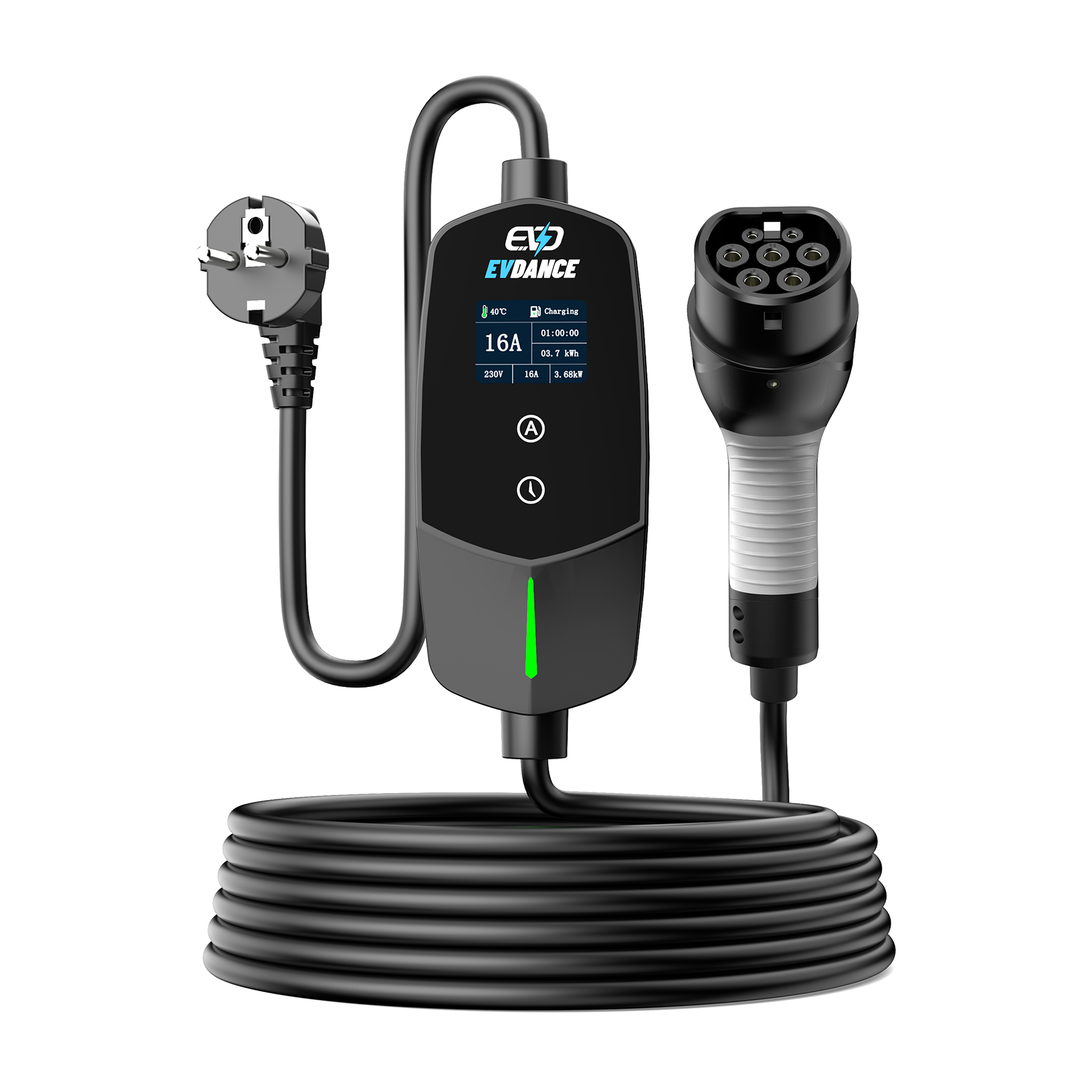
A portable charger can be practical when the PHEV is parked overnight near a suitable private socket. In this situation, an adjustable Schuko portable EV charger provides settings from 6 A to 16 A and a maximum rated output of 3.68 kW at 230 V.
A Schuko socket should not be selected only because it is physically available. Its condition, wiring and permitted load must also be suitable for EV charging.
A Wallbox Provides a Permanent Charging Point
A fixed wallbox may be the more convenient choice when the PHEV is charged regularly in the same garage or driveway. It remains ready for use and can provide cleaner cable management around the parking space.
The wallbox rating should still match the vehicle’s needs. A 7.4 kW or 11 kW wallbox can be used with a PHEV that accepts less power, but the unused capacity will not shorten its charging time.
A higher-rated wallbox may still make sense when a fully electric vehicle could be added later. That is a planning decision for the complete household charging setup rather than a requirement created by the PHEV itself.
The electrical supply, protective equipment and installation should be assessed by a qualified electrician.
A Mobile Wallbox Fits Specific Charging Locations
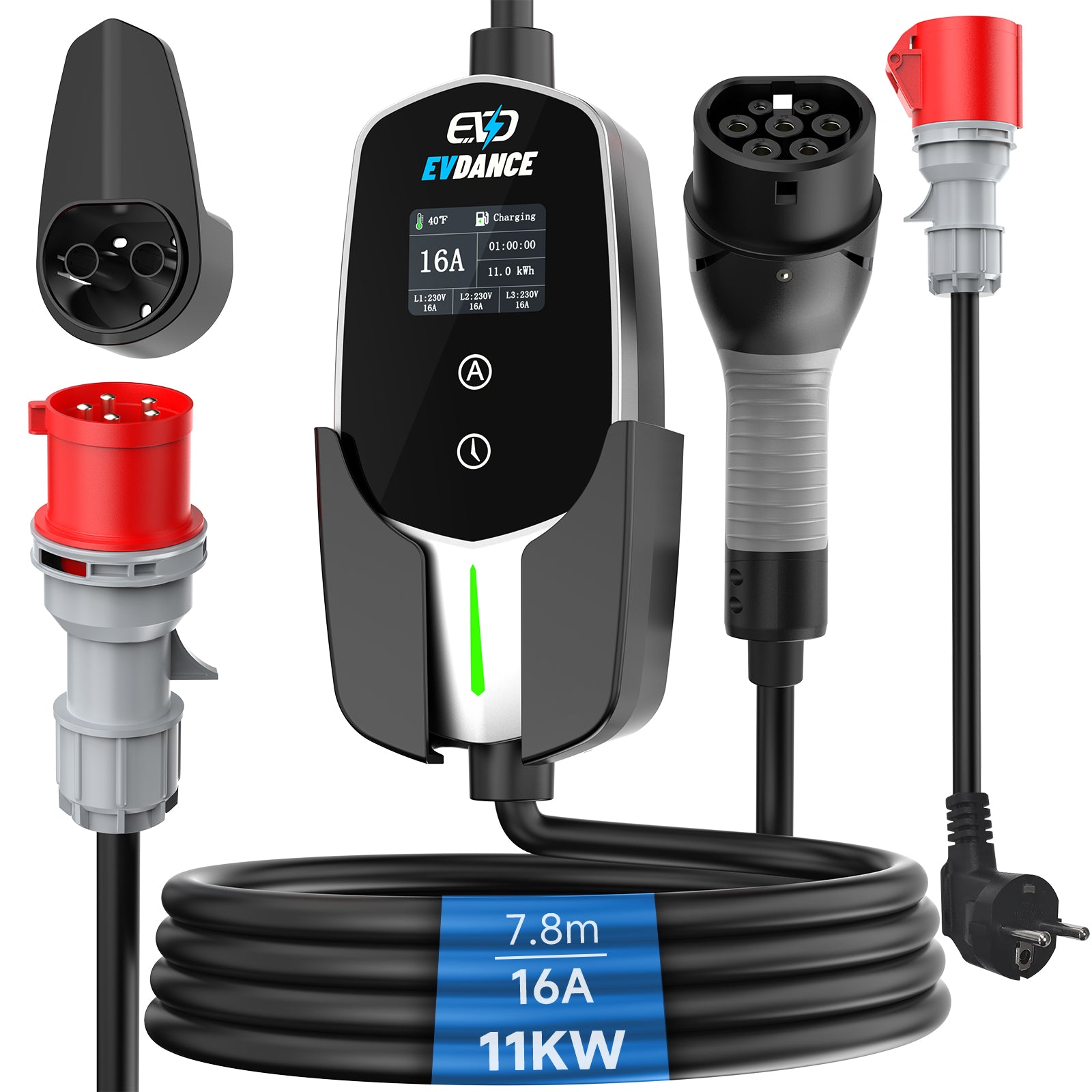
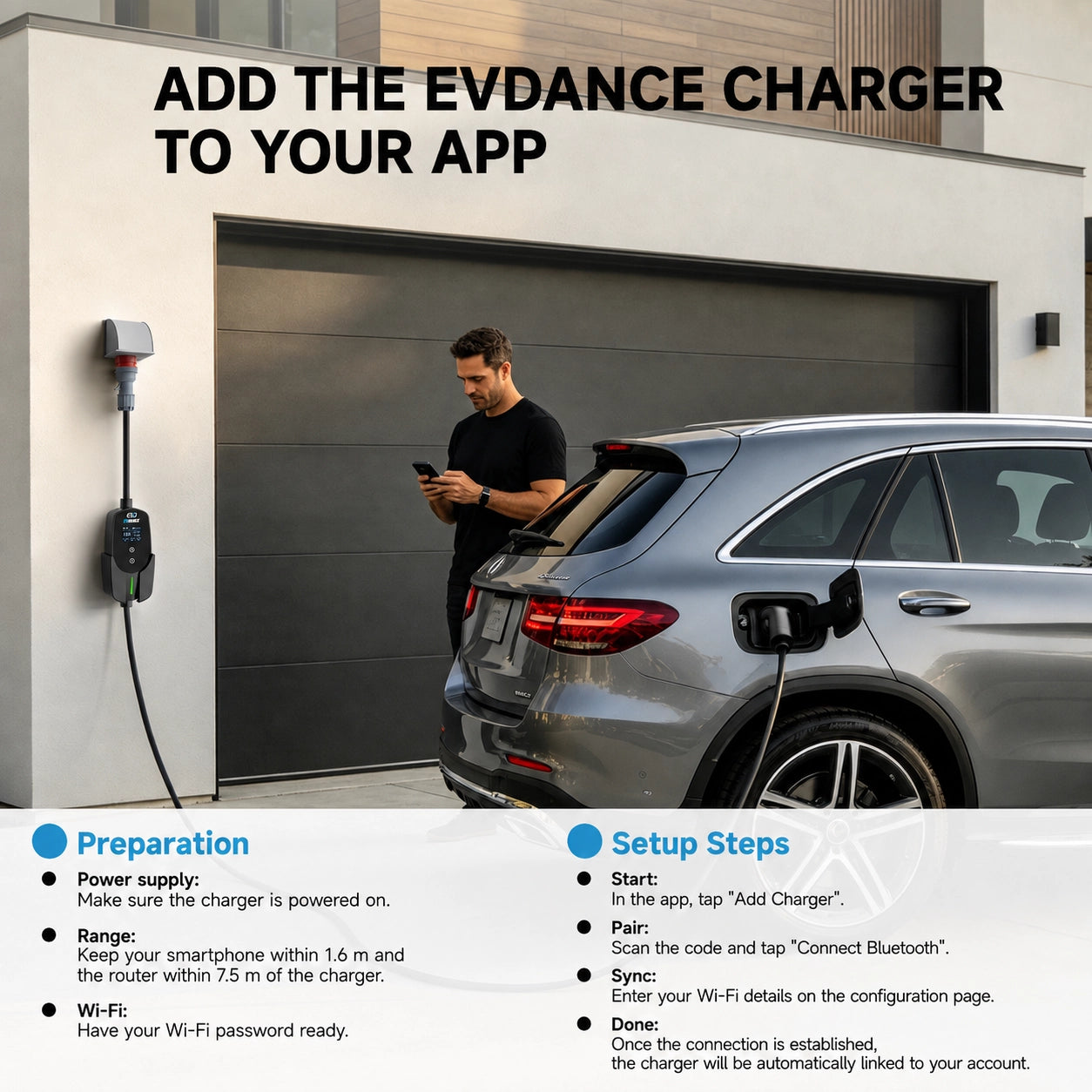
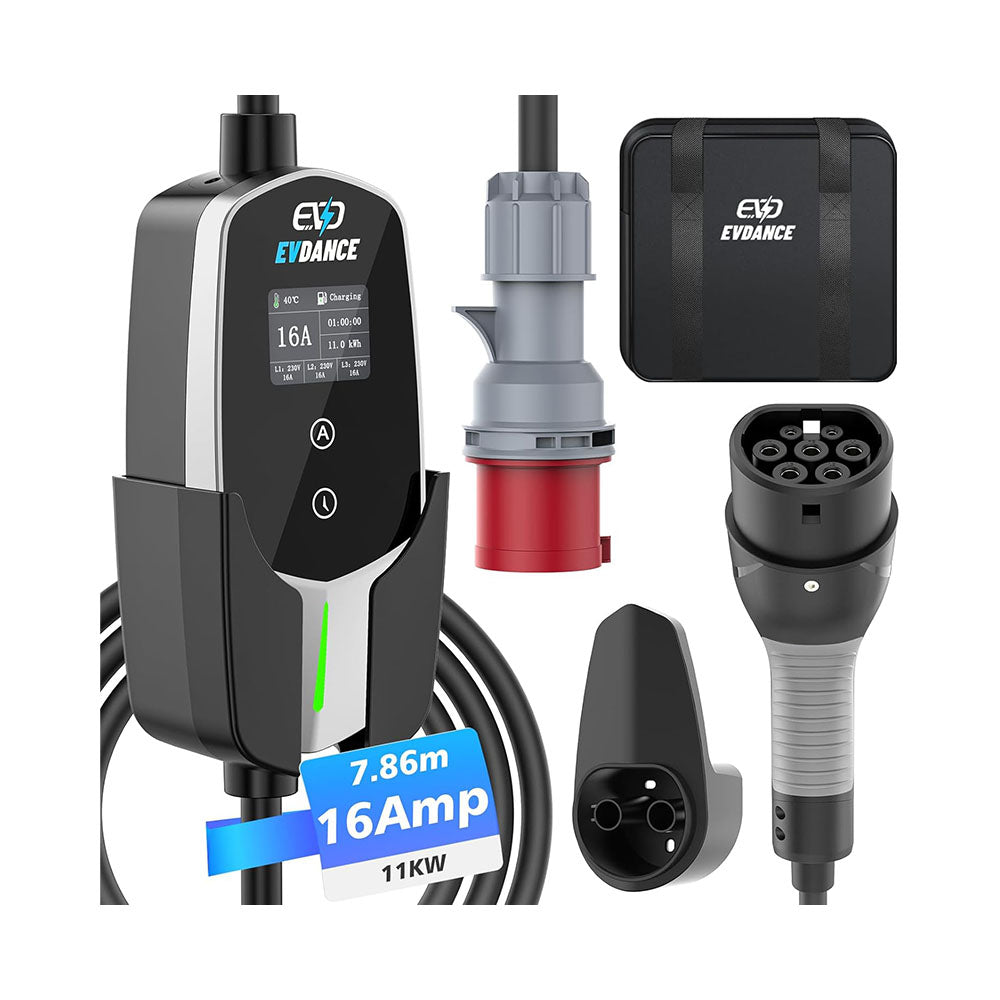
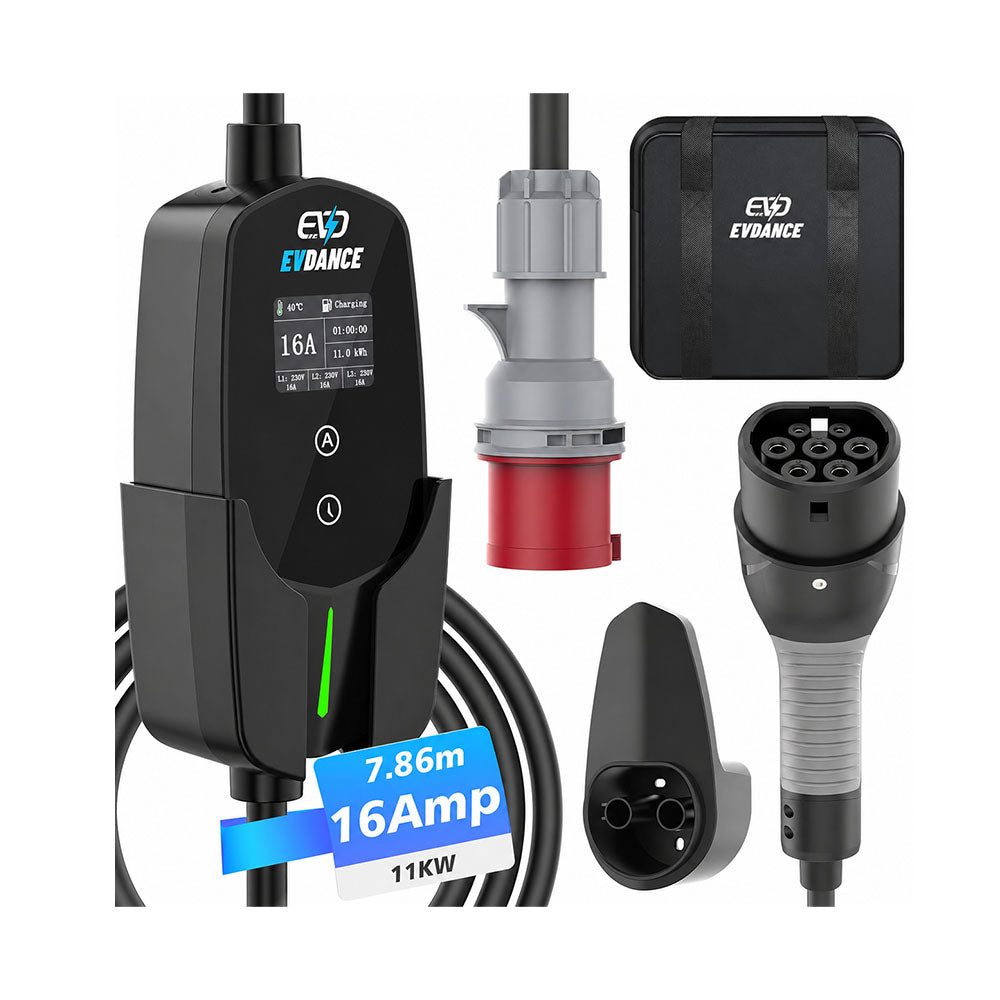
A mobile wallbox can suit drivers who regularly use compatible CEE sockets at more than one known location, such as a home garage and a private workplace.
It is not automatically the best option for every PHEV. The CEE plug must match the socket, and the vehicle must support enough AC power to benefit from the available output.
If the PHEV accepts only single-phase charging at a relatively low power, an 11 kW three-phase mobile wallbox will still be limited by the vehicle. Portability may remain useful, but the higher rating alone provides no charging-speed advantage.
Public AC Charging Requires a Separate Cable
At an untethered public AC charging station, a current European PHEV with a Type 2 inlet normally needs a Type 2-to-Type 2 charging cable.
A Schuko or CEE portable charger cannot be connected directly to the Type 2 socket on the charging station. These products serve different types of power connections.
If the charging station already has a fixed cable, use the provided connector after confirming that it is compatible with the vehicle.
Choose for the Way the PHEV Is Actually Used
For regular overnight charging, a suitable lower-power solution may provide all the energy the PHEV needs before the next journey. Drivers who need faster turnaround should first confirm that the vehicle can accept a higher AC charging power.
Before buying, check the vehicle inlet, maximum AC power, available electrical connection and typical parking time.
The best charger is the one that matches the PHEV’s actual AC limit and charging routine—not necessarily the option with the highest power rating.
Recommend Reading: Schuko or CEE: Which EV Charger Is the Better Fit?






Share:
Which Charging Cable Do I Need at a Public AC Station?
IP54, IP65 or IP66: Which IP Rating Does an EV Charger Need?